Hualca Hualca, Stratovolcano in Caylloma Province, Peru
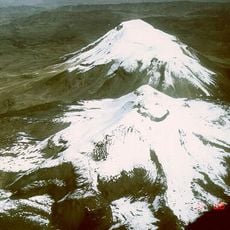
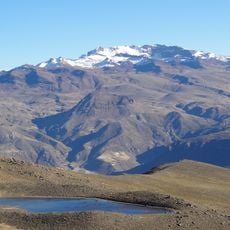
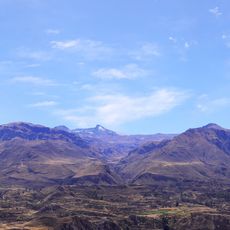
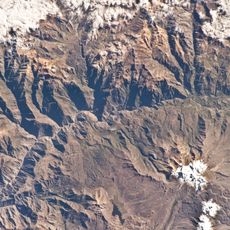
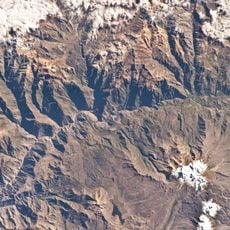
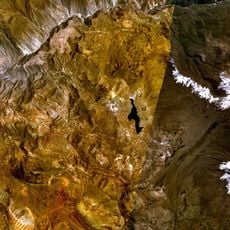
Hualca Hualca is a stratovolcano in Caylloma Province that rises approximately 6,000 meters with glacial ice and multiple ecological zones across its slopes. The mountain displays the typical layered structure of volcanic peaks in the Andes.
Hualca Hualca is the oldest volcano of the Ampato volcanic complex, which also includes Sabancaya and Ampato. It formed during the Pliocene and early Quaternary, when its summit may have reached at least 6,500 m. A reactivation in the Pleistocene destabilised the northern flank, causing a collapse that removed about 1.3 km³ and left a 14-km-wide horseshoe-shaped scar.
Archaeological evidence near the summit, including coca leaves and animal remains, shows that pre-Columbian peoples conducted ceremonies at this high altitude. The mountain held spiritual significance for ancient communities who gathered at its peak.
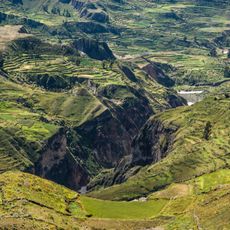
The climb from Pinchollo on the north side takes a few days and is not considered difficult by mountaineering standards. Roads circle the volcano, one reaching the Hornillo viewpoint on the northeastern flank. Canals and dams draw off meltwater for fields at Cabanaconde, and volcano-monitoring equipment stands on the mountain.
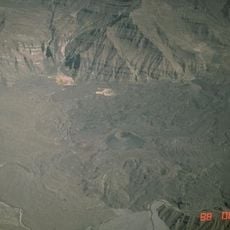
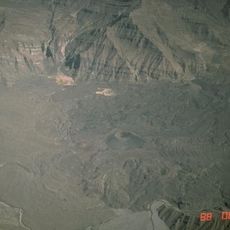
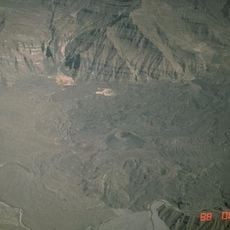
The northern flank collapsed in a landslide that removed about 1.3 cubic kilometres of rock, leaving a 14-kilometre-wide semicircular ridge around a 1,600-metre-deep amphitheatre with 700–1,000-metre cliffs. Renewed activity then built lava domes inside the scar, among them Nevado de Puye at 5,310 metres, close to the 6,025-metre summit.
The community of curious travelers
AroundUs brings together thousands of curated places, local tips, and hidden gems, enriched daily by 94,218 contributors worldwide.