Pichu Pichu, Volcanic summit in Arequipa Region, Peru.
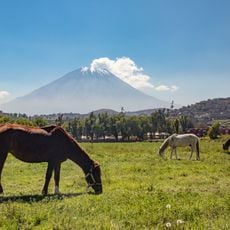
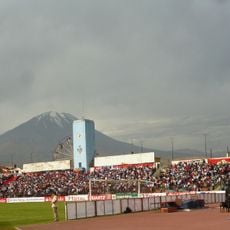
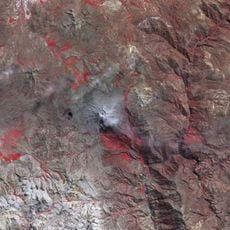
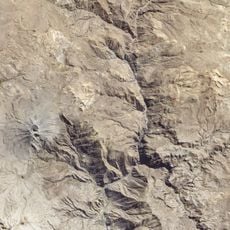
Pichu Pichu is an extinct volcano in the Arequipa region with multiple peaks, the highest reaching 5,664 meters. The mountain extends across several kilometers and displays the layered structure typical of stratovolcanoes.
The Inca built a path up Pichu Pichu and carried out capacocha sacrifices on the mountain, which they regarded as the seat of a deity. Three mummies, two girls and one boy, were found between 1960 and 1996 beneath a platform near the summit. A ceremonial platform is preserved on Coronado, the highest summit, and offerings are still made to the mountain.
The name likely comes from Quechua pikchu, "summit", doubled for the seven peaks; an older name is Tunupa. The mountain was considered the seat of a deity, and offerings are still made to it. Quechua-speaking communities continue this practice today.
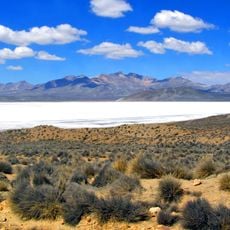
Ascents are usually made between April and November, when the snow that covers the mountain in the summer monsoon months is largely gone. The easiest summit to reach stands at 5,515 m, and from it the Salinas y Aguada Blanca National Reserve and the city of Arequipa are visible. The upper flanks are very steep and hard to access on the eastern and western sides; the northeastern side keeps the best-preserved original volcanic shape. Part of the mountain lies within the nature reserve, and it is also used for mountain biking.
The collapse scar on the western face, above 4,200 metres, fed five landslide lobes that ran 28 kilometres into the Arequipa basin, burying older ignimbrites. The slide was violent enough to melt rock into pseudotachylite, dated to 2.42 million years ago, and it dammed the Andamayo river, creating a lake at Chiguata that has since vanished.
The community of curious travelers
AroundUs brings together thousands of curated places, local tips, and hidden gems, enriched daily by 93,004 contributors worldwide.