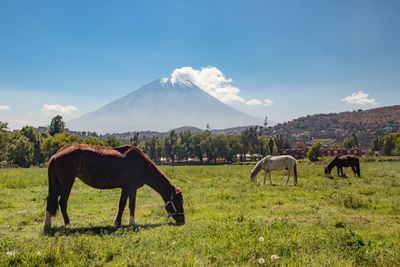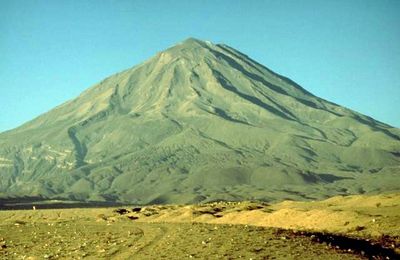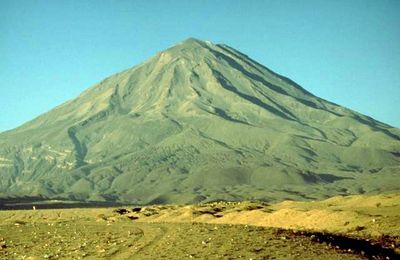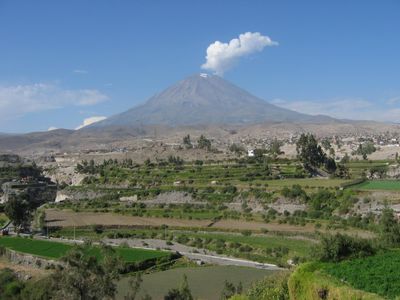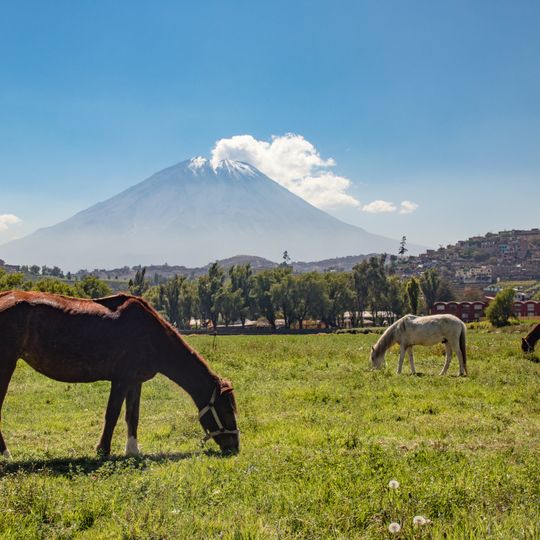
El Misti, Stratovolcano near Arequipa, Peru
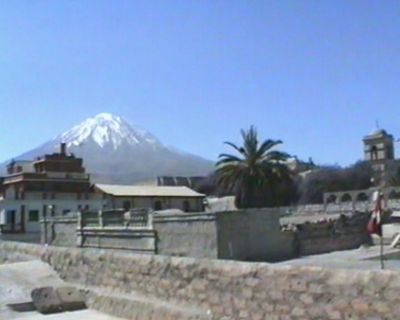
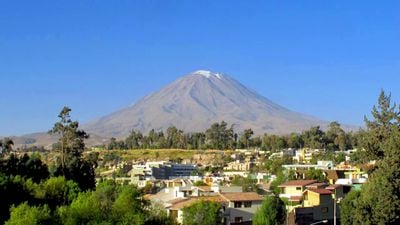
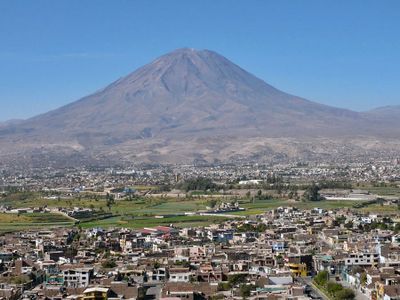
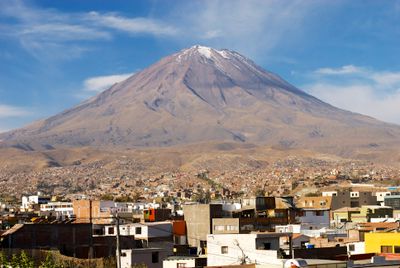
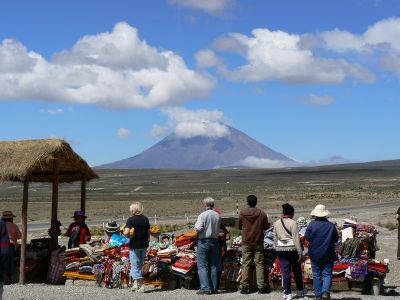
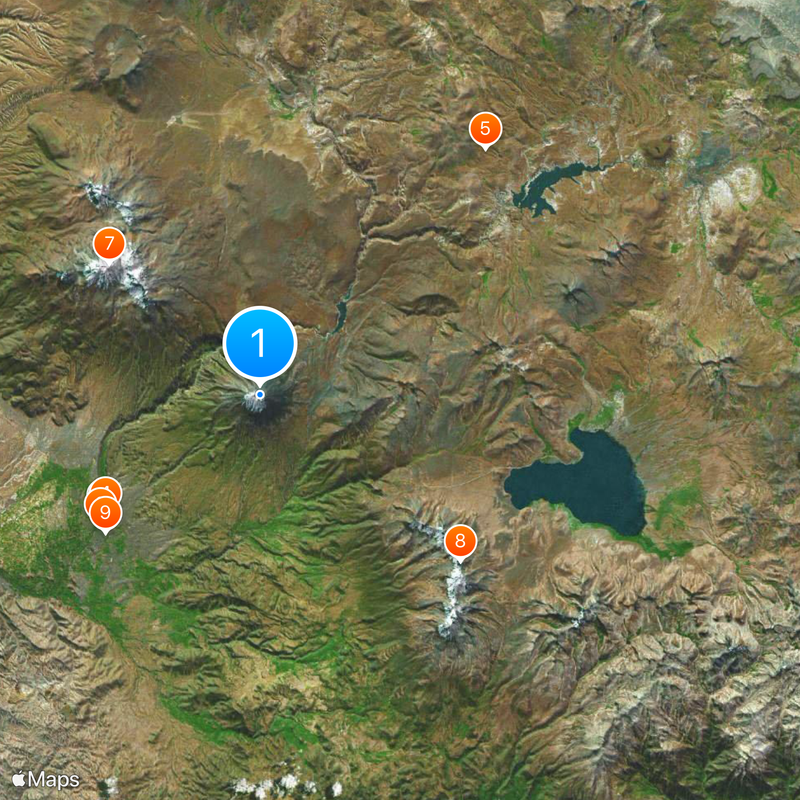
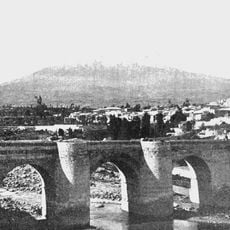
El Misti is a stratovolcano in the Arequipa Department of Peru, rising 5,825 meters (19,111 feet) above sea level and forming a symmetrical cone shape. The summit features two nested craters with active fumaroles that continuously release steam and volcanic gases.
Inca sacrificial sites discovered at the summit date from 1440 to 1470, coinciding with the volcano's last major eruption period. Later eruptions in the 15th and 16th centuries shaped the mountain's current form and left deposits of andesite rock across the surrounding area.
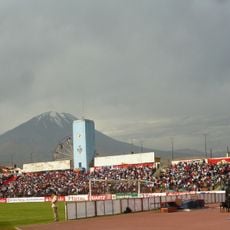
Local communities view the volcano as a defining element of regional identity, visible in artworks and daily conversations about weather and landscape. The Quechua origin of its name, linked to terms for mixing or whiteness, refers to the frequent snow that covers the peak during winter.
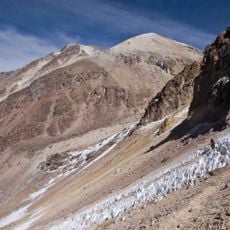
Climbing expeditions require proper acclimatization since the base camp sits at 4,500 meters (14,764 feet) and the route typically spans two days. Hikers should bring warm clothing and sufficient water, as temperatures drop considerably at night and no natural water sources exist along the ascent.
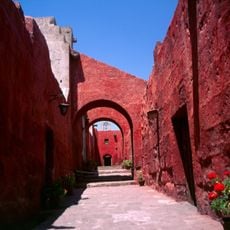
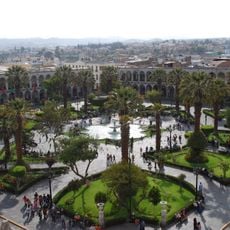
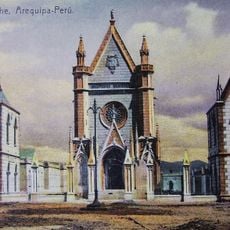
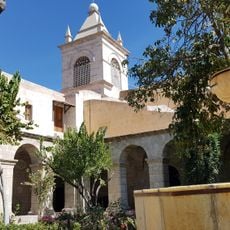
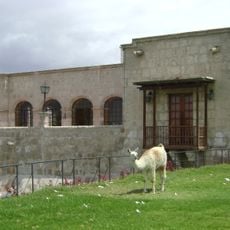
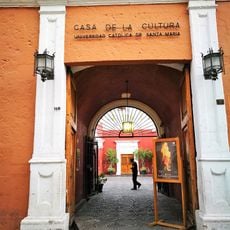
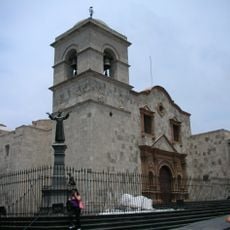
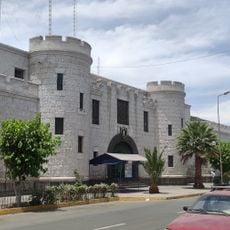
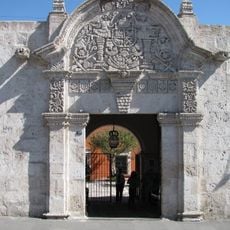
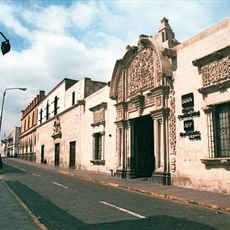
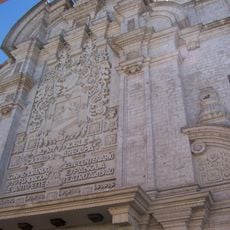
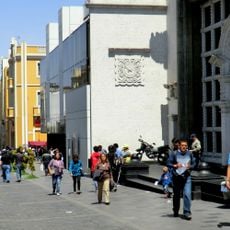
Volcanic material from andesite rock has been quarried for centuries as sillar, a white stone widely used in colonial architecture throughout Arequipa. Visitors can see the connection between the mountain and the city when walking through historic neighborhoods, where buildings are constructed from this local stone.
The community of curious travelers
AroundUs brings together thousands of curated places, local tips, and hidden gems, enriched daily by 60,000 contributors worldwide.