Puquios, Subterranean aqueduct system in Nazca District, Ica Department, Peru
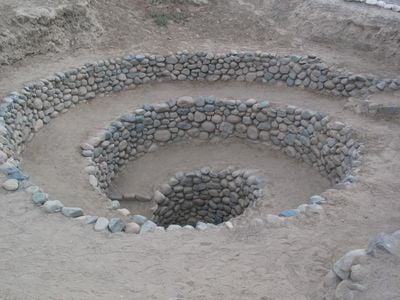
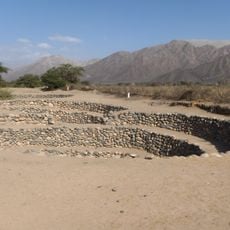
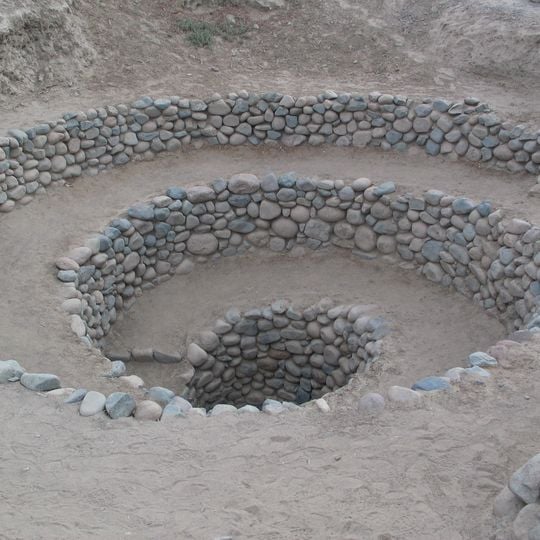
Puquios is an underground irrigation network in Nazca District that channels water from the Andes through a series of hand-dug tunnels and open trenches into the dry coastal plain. The spiral openings at the surface connect the underground sections to daylight and allow maintenance access to the stone channels below.
The Nazca culture dug these channels between the 4th and 6th centuries to tap groundwater in a region where surface rivers flow only a few months each year. The network was expanded by later communities and remains in use for farming today.
The name comes from Quechua pukyu, meaning spring or water source. Local people still call the shafts socavones, and the water they carry irrigates cotton, broad beans, potatoes and maize. The first written mention of Nazca puquios is by cleric Reginaldo de Lizárraga in 1605.
Most accessible spiral entrances lie along rural roads around Nazca town, where they still irrigate orchards and fields. A visit is more comfortable in the morning when the sun is less intense and the stone structures easier to see.
The spiral openings are ventilation shafts, not pumps: they let workers descend to clean and repair the underground galleries. The Cantalloc aqueducts, 3 km east of Nazca town, were built with flat stone slabs and huarango wood trunks, and more than 46 were constructed.
The community of curious travelers
AroundUs brings together thousands of curated places, local tips, and hidden gems, enriched daily by 92,714 contributors worldwide.