Cahuachi, Archaeological site in Nazca Valley, Peru
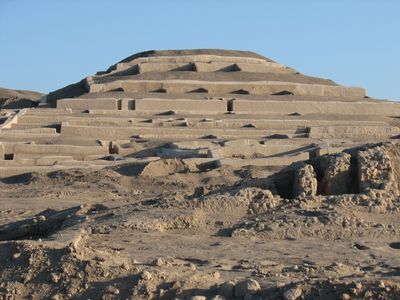
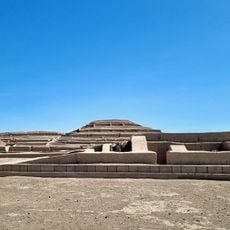
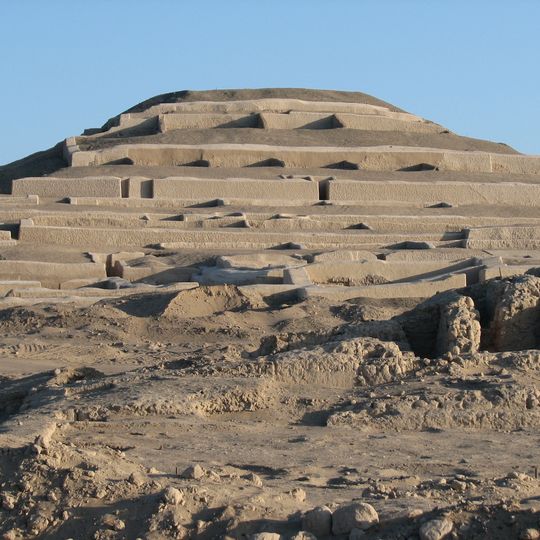
Cahuachi is an adobe archaeological center on the southern bank of the Nazca River in Peru's Nazca Province. The site spreads across dry desert terrain and includes dozens of mounds, terraces and raised structures partially covered by drifts.
Cahuachi was founded in the 4th century BCE, before the Nazca culture arose, and grew into that culture's main ceremonial center, flourishing from about 1 to 500 CE. It declined around 300 CE after the Huari invasion. The first excavations were carried out by Frabee in 1922; Giuseppe Orefici has dug there since 1982 and Helaine Silverman studied the site in the 1980s.
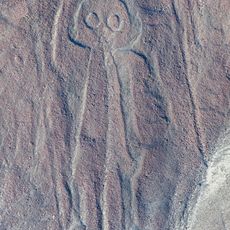
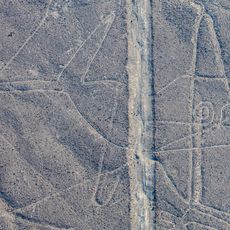
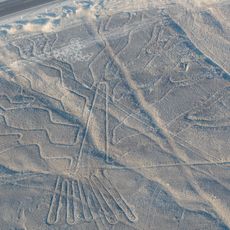
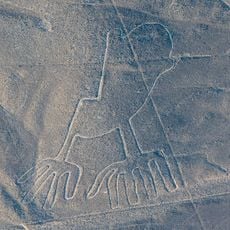
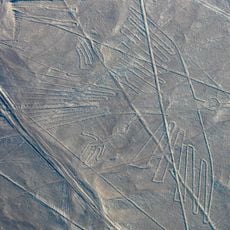
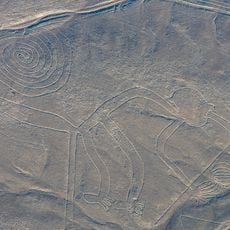
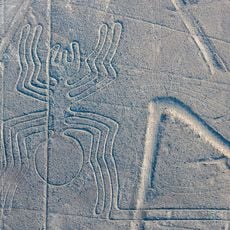
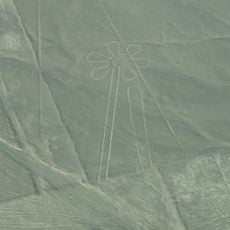
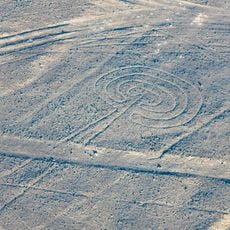
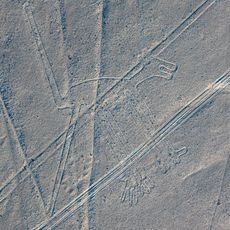
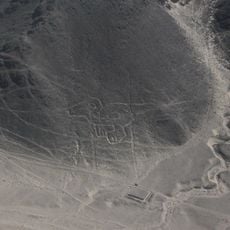
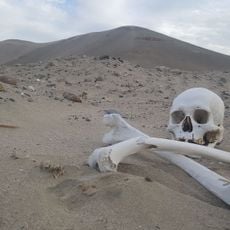
The name Cahuachi means "place where seers live." Its permanent population was small and farmed, but crowds gathered for ceremonies, likely tied to the Nazca Lines and the giant dune; the Chauchilla necropolis drew periodic journeys. Pottery was brought to the site and broken during rituals.
Access follows unpaved routes and requires accompaniment by local guides who know the way through the desert. The terrain is partially exposed and sits far from settled areas, so visitors should bring drinking water and sun protection.
New research suggests that 40 of Cahuachi's mounds were natural hills modified to look like artificial constructions. Archaeologist Helaine Silverman found no evidence of domestic structures, supporting the view that people came periodically for rituals and broke pottery at the site.
The community of curious travelers
AroundUs brings together thousands of curated places, local tips, and hidden gems, enriched daily by 92,594 contributors worldwide.