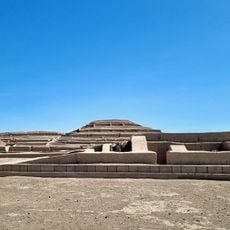
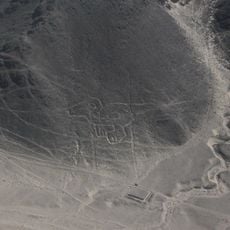
Cantalloc Aqueducts, Archaeological site in Ica, Peru.
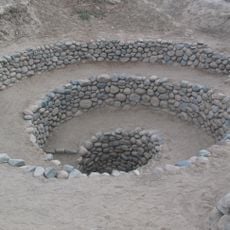
Cantalloc Aqueducts lie 3 km east of Nazca city and form part of the puquios system built by the Nazca culture about 1,500 years ago. More than 40 aqueducts were constructed, and 29 of the 42 surviving ones still carry water. Their spiral-shaped ventilation shafts descend to the subterranean channel, giving access for construction and maintenance. The water irrigates the Las Trancas, Taruga and Nazca valleys, allowing cotton, beans, potatoes and maize to be grown in one of the driest parts of the coastal desert.
The aqueducts were built by Nazca engineers around 500 AD and represent sophisticated water management technology that developed over centuries. Later inhabitants maintained and adapted these works, ensuring they continued to serve local needs through changing times.
Local people call the spiral openings ojos de agua, "eyes of water". The puquios still irrigate fields in the Las Trancas, Taruga and Nazca valleys, where farmers grow cotton, beans, potatoes, maize and fruit trees. In 2019 the system was entered on Peru's Tentative List for World Heritage status.
The wells lie 3 km east of Nazca city, in the Ica Department; the site is reached by road from Nazca. The desert here is exposed, so bring water, a hat and sun protection. The spiral openings drop steeply to the underground channel, so watch your footing at the rim and wear closed shoes.
The system continues to supply water to local farmers after nearly 1,500 years, demonstrating the durability of the original construction. This ongoing use makes it a living monument that has adapted to modern times while maintaining its ancient function.
The community of curious travelers
AroundUs brings together thousands of curated places, local tips, and hidden gems, enriched daily by 92,634 contributors worldwide.