Manu National Park, National park in Madre de Dios and Cusco, Peru
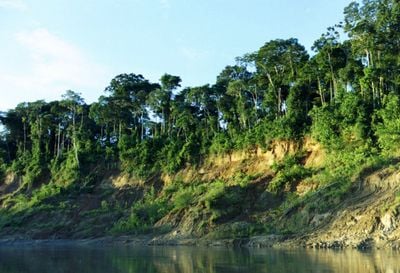
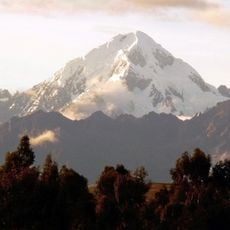
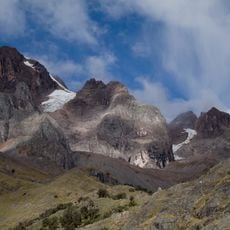
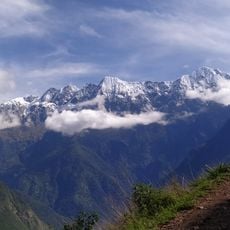
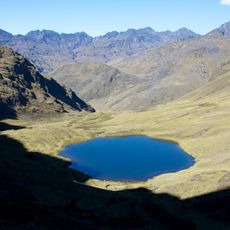
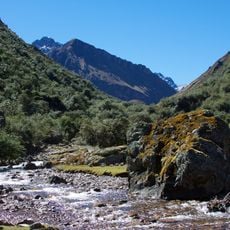
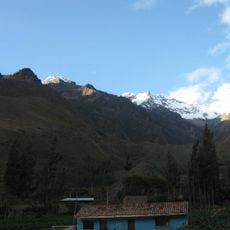
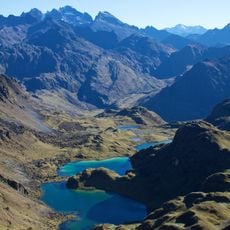
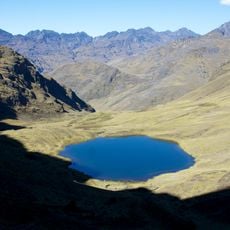
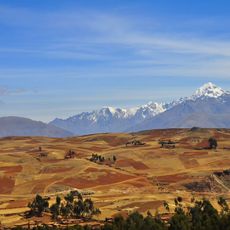
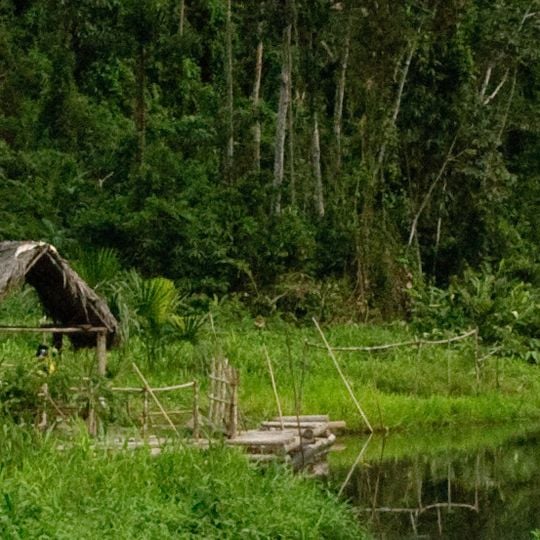
Manu National Park is a protected area in southeastern Peru that runs from the Andes down into the Amazon lowlands. It covers cloud forests on mountain slopes, dense rainforests in the lowlands, and open grasslands at high elevations, with each zone hosting its own plant and animal communities.
The Peruvian government created this protected area in 1973 to preserve the tropical rainforests and their biodiversity. A few years later it received World Heritage status, drawing international attention to its ecological importance.
The name Manu means 'river' in Araona, a Pano-Tacanan language once spoken in this part of Madre de Dios; the Araona disappeared largely through rubber-tapping, and today the park's communities are Machiguenga, Yine, Kirinieri and Nanti. The Machiguenga settlements of Palotoa, Yomibato, Tayacome and Shipetiari date only from the late 20th century.
Anyone wanting to travel here must register with an authorized tour operator, as access is only permitted with guides. Most tours last several days and include boat trips, walks, and overnight stays in basic shelters deep in the forest.
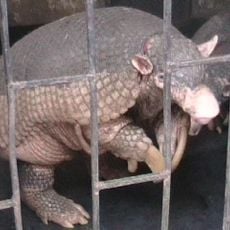
Research stations across the area observe birds, insects, and mammals daily, with species still unknown to science turning up regularly. Visitors can meet biologists at work in the field and see how new findings are gathered on the spot.
The community of curious travelers
AroundUs brings together thousands of curated places, local tips, and hidden gems, enriched daily by 92,811 contributors worldwide.