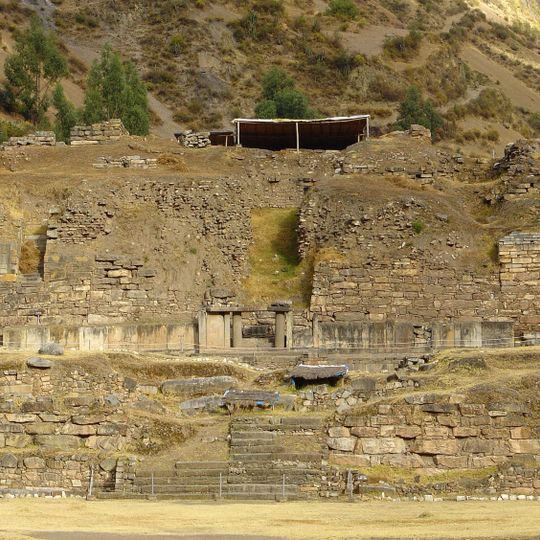
Chavin de Huantar, Archaeological site in Ancash, Peru
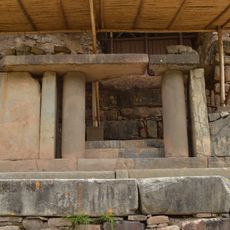
Chavin de Huantar is an archaeological complex of cut-stone platforms and terraces built into a hillside at 3,177 meters, at the confluence of the Huachecsa and Mosna rivers. Its main buildings form a truncated pyramid about 70 meters on a side and 15 meters high, with outer walls leaning about 7 degrees to resist earthquakes. Inside, a labyrinth of chambers, stairs and ramps is linked by underground galleries and horizontal ventilation ducts.
The center emerged around 1200 BC and was used for ceremonies and oracle consultations for about eight hundred years. Over time successive generations expanded the complex with new platforms and underground chambers.
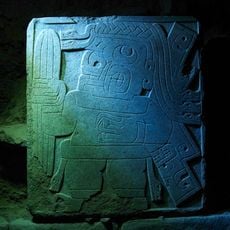
The name derives from Quechua chawpin, "in the middle", and waantar, a local Andean grass, echoing the site's position where the Mosna and Huachecsa rivers meet. The stone heads once set along the temple walls are thought to depict sacrificed captives or enemies.
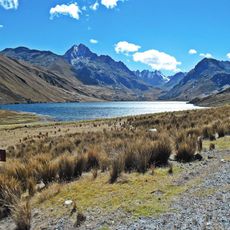
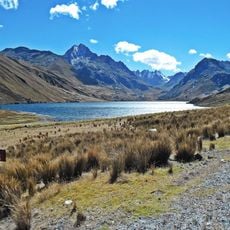
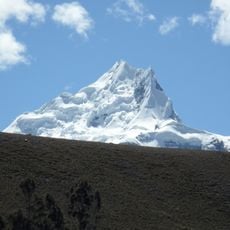
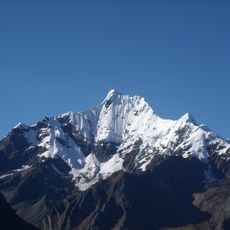
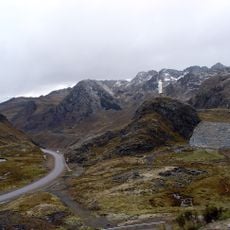
Access is possible through day trips from Huaraz or via a multi-day hiking trail from Olleros through the mountain terrain. The altitude requires prior acclimatization and weather conditions can change quickly in the mountains.
A system of underground passages channels daylight and mountain air throughout the entire structure into the innermost chambers. This engineering solution provided ventilation and illumination without artificial aids in an era without modern technology.
The community of curious travelers
AroundUs brings together thousands of curated places, local tips, and hidden gems, enriched daily by 92,748 contributors worldwide.