Huascarán National Park, Protected area in Ancash Region, Peru
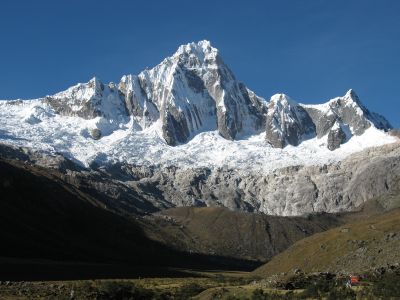
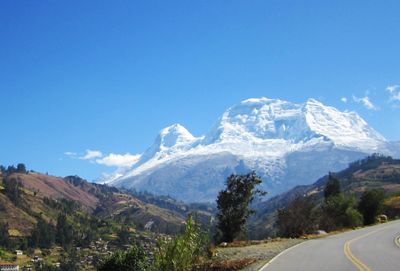
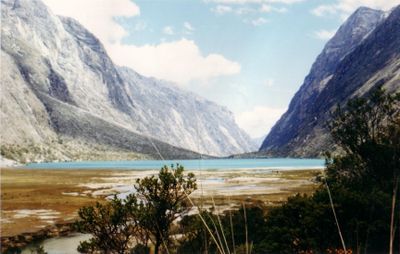
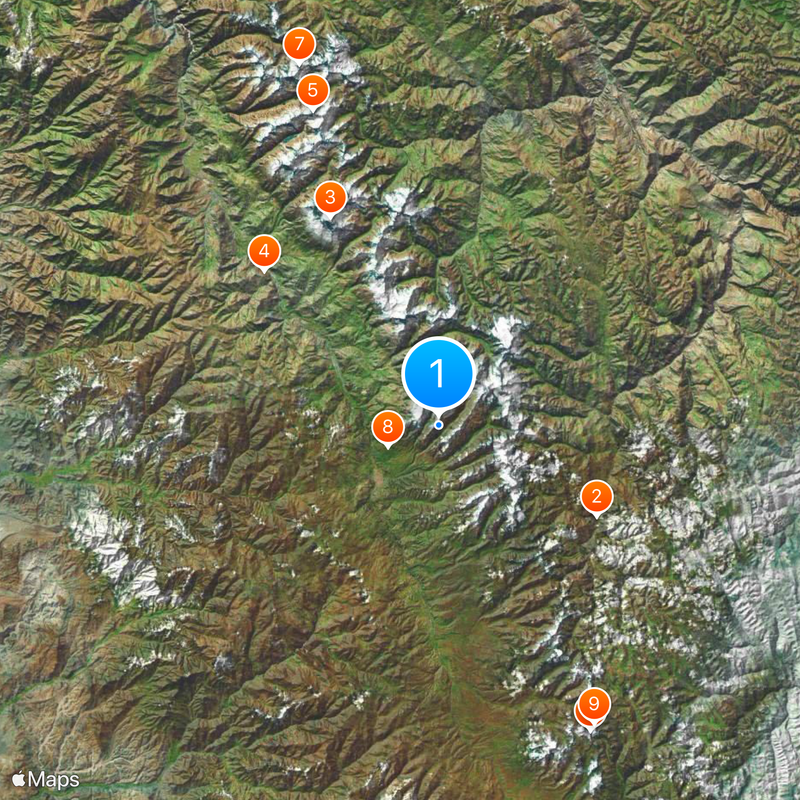
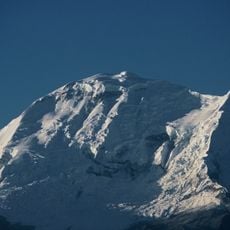
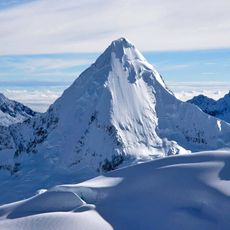
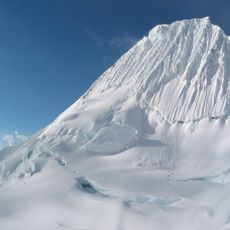
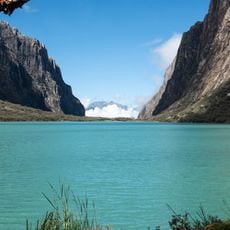
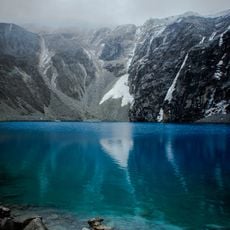
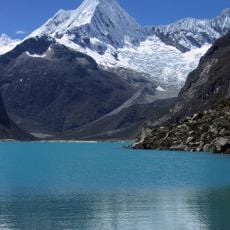
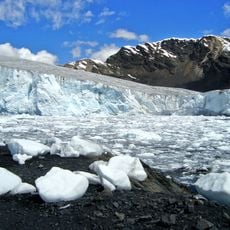
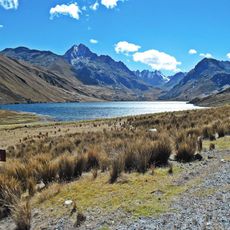
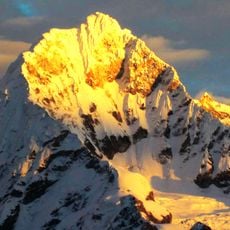
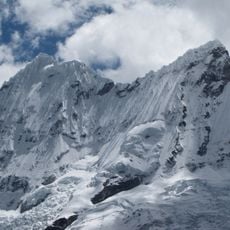
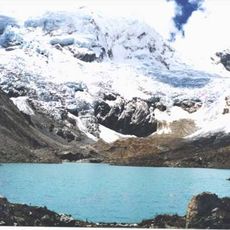
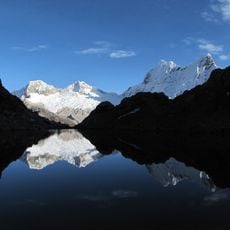
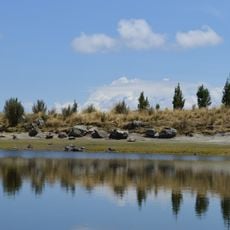
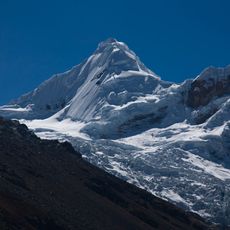
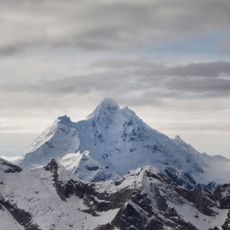
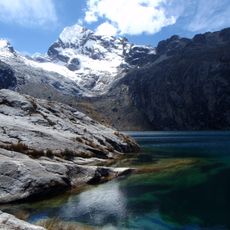
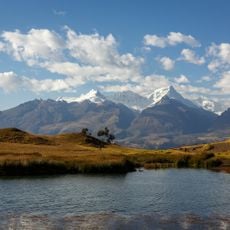
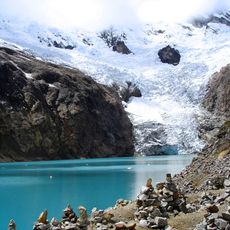
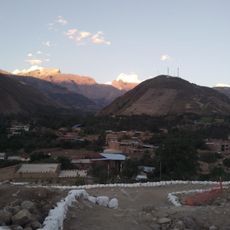
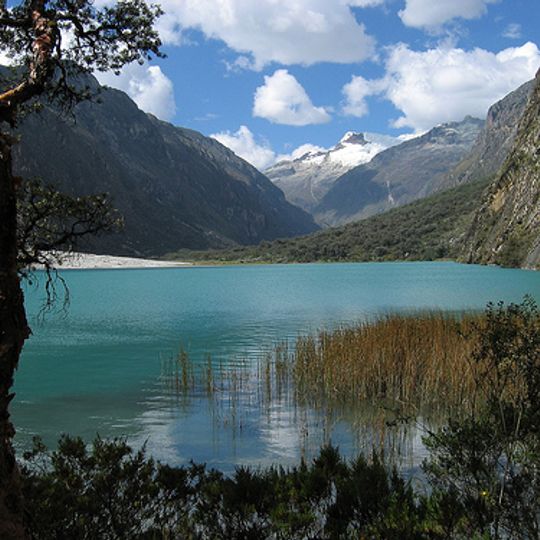
Huascarán National Park is a protected area in Ancash Region, Peru, covering 340,000 hectares along the Cordillera Blanca and enclosing the country's tallest summit at 6,768 meters (22,205 feet). The landscape includes turquoise lakes, deep valleys, and retreating glaciers framed by sheer rock walls and grass-covered plateaus.
Senator Augusto Guzmán Robles brought the first proposal to protect this mountain region to Congress in 1960, but it took until 1975 for the area to be officially declared a national park. UNESCO later granted it World Heritage status, recognizing its role in safeguarding Andean ecosystems.
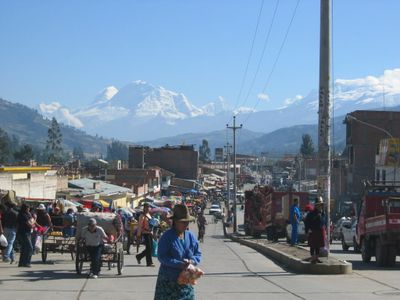
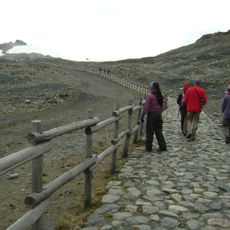
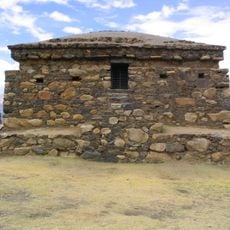
The name Huascarán honors Huáscar, the last Inca ruler before Spanish conquest, whose legacy endures in these mountains. Local farmers still practice centuries-old livestock methods, grazing animals on high pastures while guiding visitors along narrow trails between glacial lakes.
Mountaineering and trekking require a permit and a certified mountain guide, as many routes cross remote terrain and climb to altitudes that demand acclimatization to altitude sickness. The dry season from May to September offers more stable weather, while the rainy season can make trails slippery and rivers impassable.
The rare Puya raimondii, the world's largest bromeliad, grows here above 4,000 meters (13,123 feet) and flowers only after decades before dying. In remote zones, the endangered Andean mountain cat lives, a shy animal that travelers rarely see.
The community of curious travelers
AroundUs brings together thousands of curated places, local tips, and hidden gems, enriched daily by 90,819 contributors worldwide.