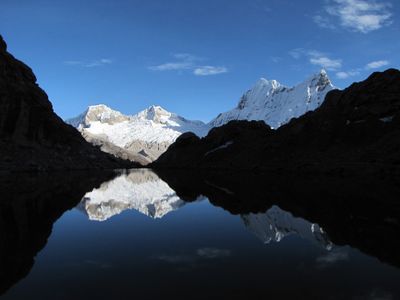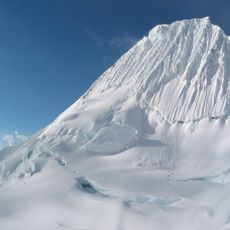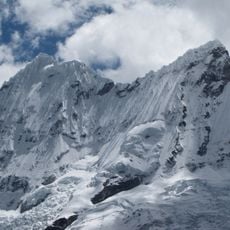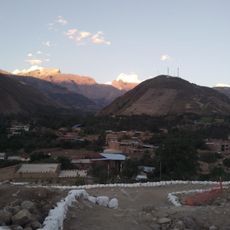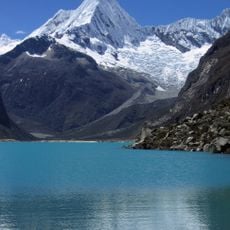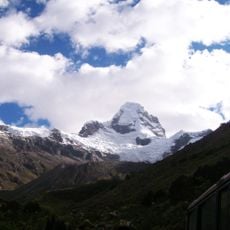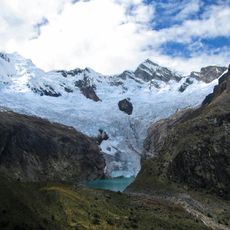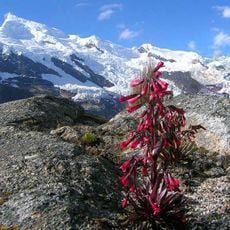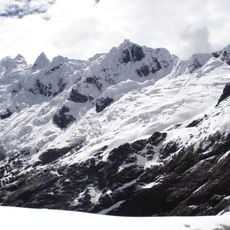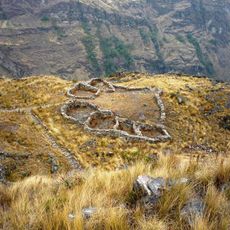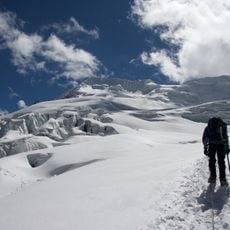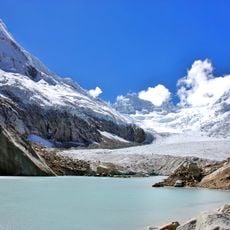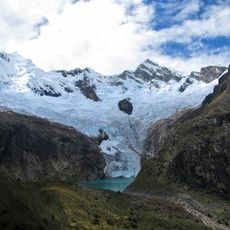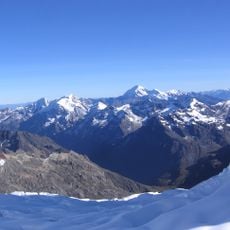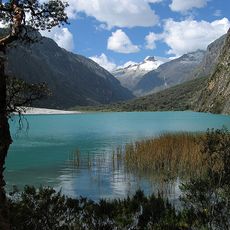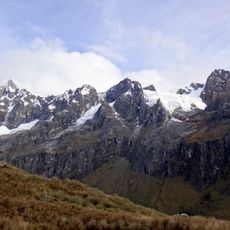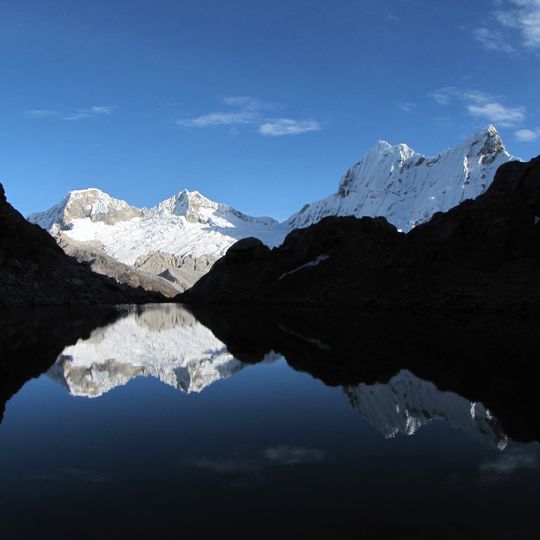
Pisco, Summit in the Cordillera Blanca, Peru.
Nevado Pisco reaches an elevation of 5,752 meters above sea level and features glacier-covered slopes with snow-covered terrain that offers panoramic views of surrounding Andean peaks including Huascarán and Chopicalqui.
The first ascent of Pisco was accomplished on July 12, 1951, by climbers C. Kogan, G. Kogan, R. Leininger, and M. Lenoir, establishing it as one of the notable mountaineering destinations in the Cordillera Blanca range.
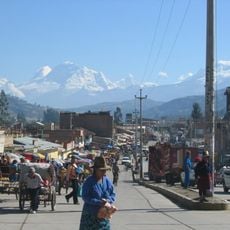
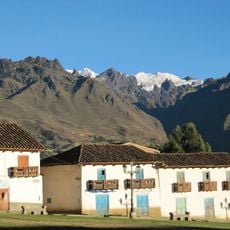
Local guides from Huaraz provide certified mountaineering services and share indigenous knowledge about high-altitude climbing traditions, while the surrounding communities maintain cultural connections to the Andean mountain environment through generations of mountain guiding.
The typical three-day ascent begins from Cebollapampa base camp and includes overnight stays at approximately 4,765 meters elevation, requiring basic mountaineering equipment such as crampons, ice axes, and proper cold-weather gear for glacier navigation.
Climate change has transformed Pisco from a relatively straightforward climb into a more technically demanding ascent, with melting glaciers creating steep ice walls of 50 to 60 meters on 60-degree slopes that require advanced climbing skills.
The community of curious travelers
AroundUs brings together thousands of curated places, local tips, and hidden gems, enriched daily by 92,562 contributors worldwide.