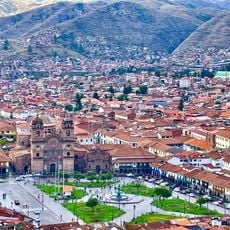
Saqsaywaman, Archaeological site in Cuzco, Peru
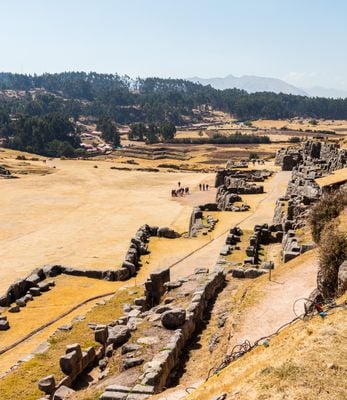
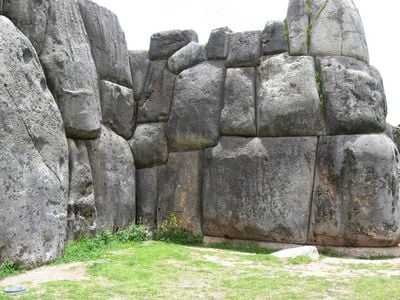
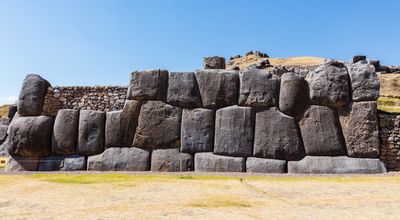
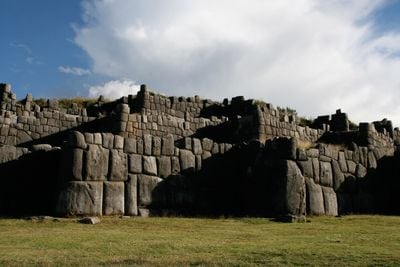
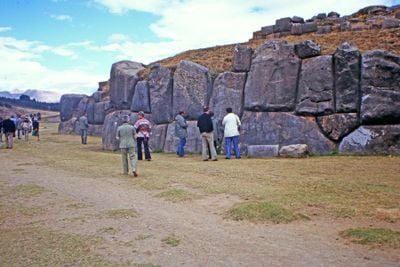
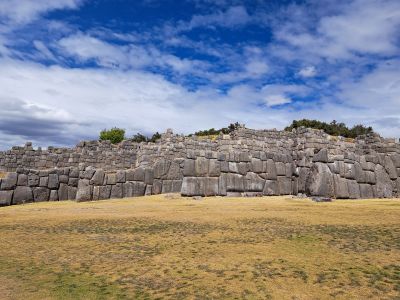
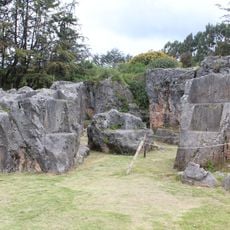
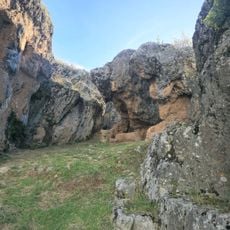
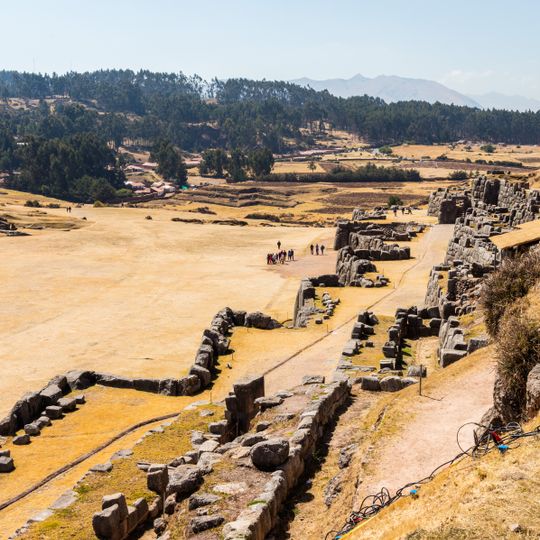
Saqsaywaman is an archaeological site in Cusco, Peru, sitting at 3,701 meters above sea level and known for its massive stone walls built with interlocking blocks. The stones fit together so tightly that no mortar was needed to hold them in place.
Construction started in the 15th century under Inca ruler Pachacuti and continued for three generations until the complex was finished. Later, in the 16th century, Spanish invaders removed many stones to build churches and houses in the city below.
The name comes from the Quechua language and means "satisfied falcon", which might refer to the way the walls curve like outstretched wings when seen from above. Today people walk along the ramparts and terraces, while dancers and musicians gather here to mark the winter solstice each year.
Access is by foot from the center of Cusco or by vehicle along a paved road that climbs the hillside. Visitors should plan enough time to explore the sprawling terraces and walls at their own pace.
Some of the largest blocks weigh over 120 tons and were moved into place without wheels or pack animals. The Inca likely transported these stones using wooden rollers and hundreds of workers over several kilometers.
Location: Cusco
GPS coordinates: -13.50778,-71.98222
Latest update: December 4, 2025 19:05
This collection encompasses ancient stone monuments and sacred sites from across the globe, ranging from the Easter Island Moai to the Great Wall of China. The structures represent millennia of human engineering and include religious temples, fortifications, burial sites, and astronomical installations. Many of these locations retain cultural significance for local communities today. Examples include prehistoric sites such as Göbekli Tepe in Turkey and Skara Brae in the Orkney Islands, alongside monumental constructions like the Parthenon in Athens, Angkor Wat in Cambodia, and the Pyramids of Giza in Egypt. The collection also features lesser known treasures including the Megalithic Temples of Malta, Nan Madol in Micronesia, and Great Zimbabwe. These sites provide insight into ancient cultures, religious practices, and architectural achievements that continue to draw visitors from around the world.
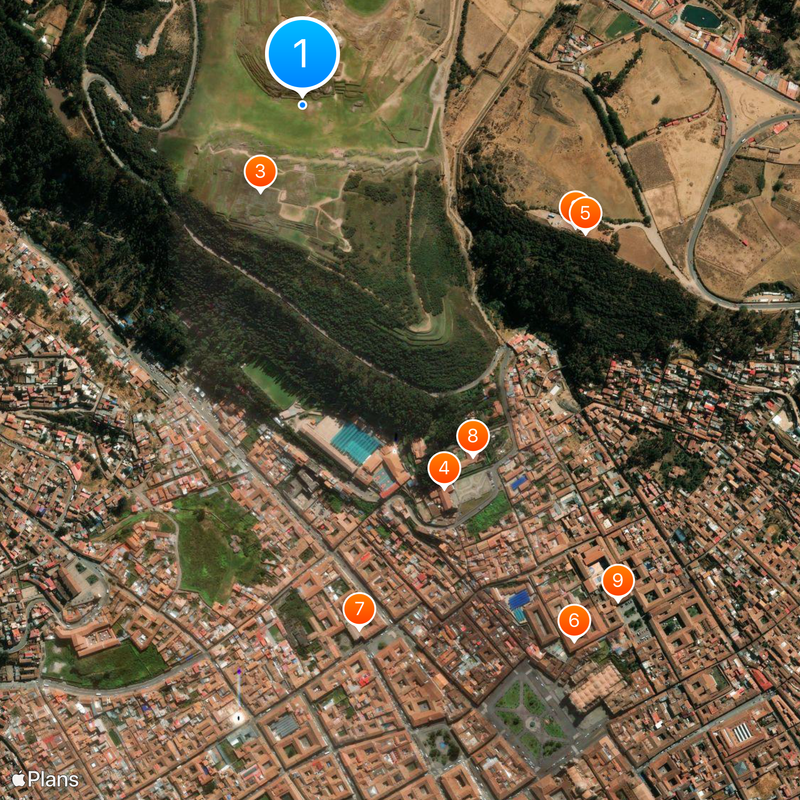
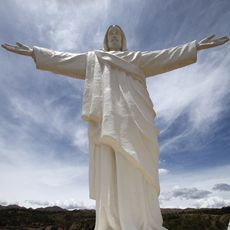
Cristo Blanco
512 m
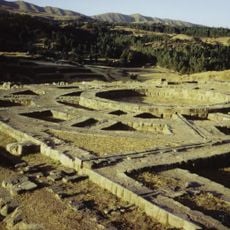
Muyuq Marka
155 m
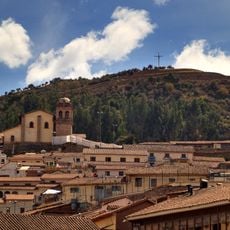
Iglesia de San Cristobal
662 m
Pukamuqu
503 m
Admiral's House
974 m
Iglesia y monasterio de Santa Teresa
855 m
Colcampata
632 m
Museo de Arte Precolombino Cusco
953 m
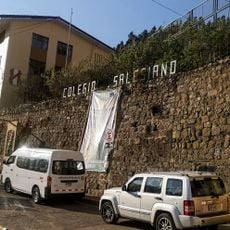
Salesian School of Cusco
535 m
Iglesia de Santa Ana
865 m
Calle Plateros
936 m
Plazoleta de las Nazarenas
980 m
Casa de las Sierpes
974 m
Calle Saphy
745 m
Casa Cabrera
950 m
Casa de Mateo Pumacahua
584 m
Silva House
852 m
Casa Siete Cuartones 290
936 m
Casa Salazar Guevara
863 m
Casa de Choquechaca 366-384
848 m
Casa Guevara
861 m
Casa Núñez del Prado
1 km
Casa Calderón Ugarte
932 m
Casa Ochoa Raa
692 m
Casa Meloc 442
952 m
Casa de Carmen Alto 236
986 m
Portal de Panes
987 m
Portal de Carnes
991 mReviews
Visited this place? Tap the stars to rate it and share your experience / photos with the community! Try now! You can cancel it anytime.
Discover hidden gems everywhere you go!
From secret cafés to breathtaking viewpoints, skip the crowded tourist spots and find places that match your style. Our app makes it easy with voice search, smart filtering, route optimization, and insider tips from travelers worldwide. Download now for the complete mobile experience.
A unique approach to discovering new places❞
— Le Figaro
All the places worth exploring❞
— France Info
A tailor-made excursion in just a few clicks❞
— 20 Minutes