Pachacámac, Archaeological site in Lurín, Peru
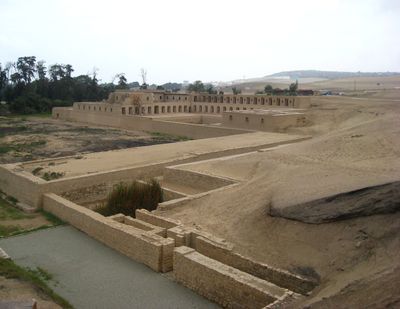
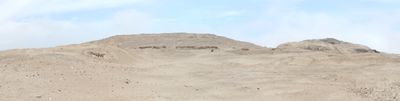
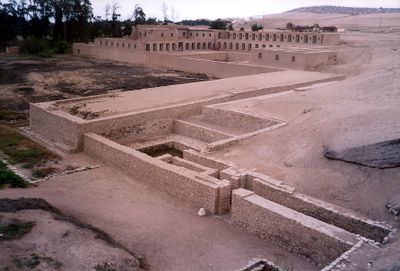
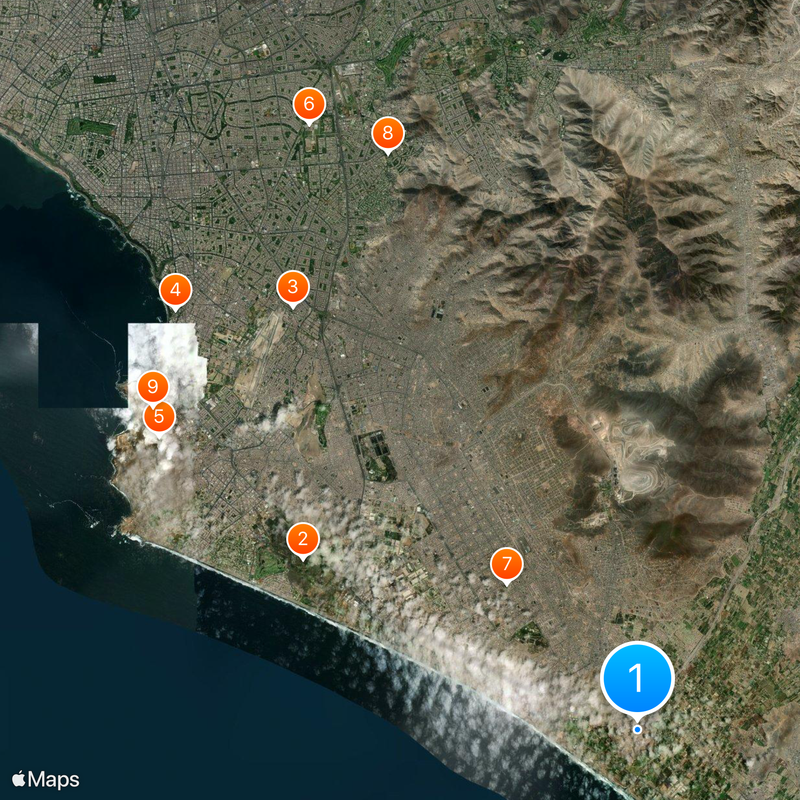
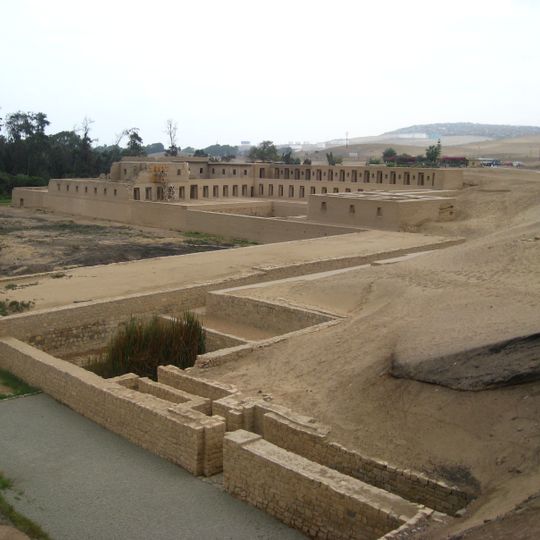
Pachacamac is a sprawling site of adobe pyramids, temples, and plazas along the Pacific coast south of Lima, spread across gentle hills. The grounds connect several large structures from different eras, including the Temple of the Sun on a raised plateau overlooking the ocean.
The first settlement began around the year 200 when local communities started building structures for religious purposes. Later the Wari, then the Ychma, and finally the Inca took control before Spanish soldiers arrived in the 16th century and destroyed the sanctuary.
The name comes from a creator deity whom people worshipped before the Inca period and who they believed could cause earthquakes. Pilgrims traveled from distant regions to consult the oracle, bringing offerings of shells and woven textiles.
The walking route covers paved paths and sandy sections, so comfortable closed-toe shoes work best. The sun shines strongly here year-round, so bring water, sunscreen, and a hat.
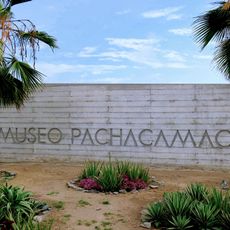
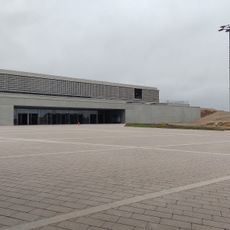
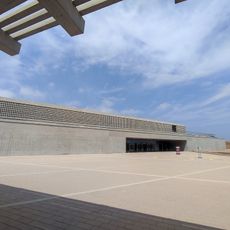
The museum displays a wooden deity figure that researchers found in the ruins and that was worshipped as a sacred object for centuries. Excavations also uncovered colorful wall paintings that remain surprisingly well preserved despite the dry coastal climate.
The community of curious travelers
AroundUs brings together thousands of curated places, local tips, and hidden gems, enriched daily by 90,917 contributors worldwide.