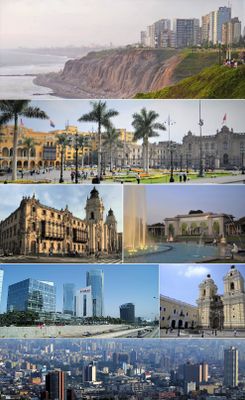
Lima, Capital city at Pacific coast, Peru
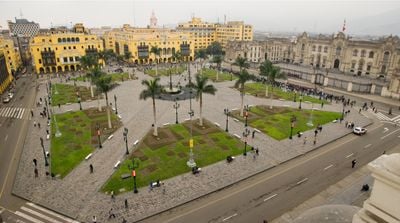
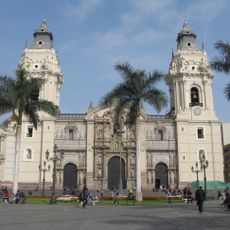
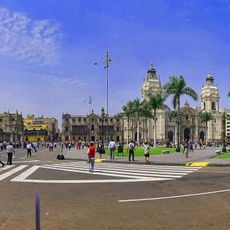
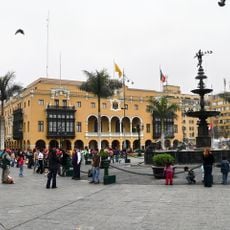
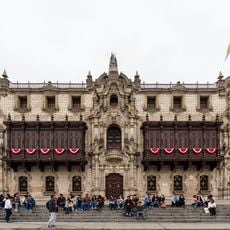
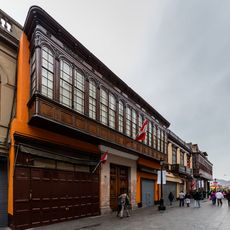
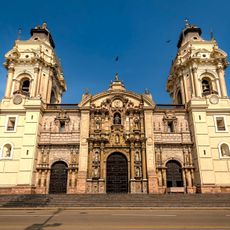
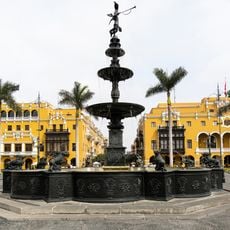
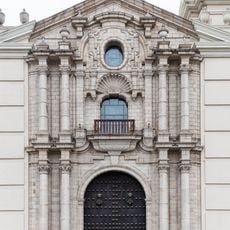
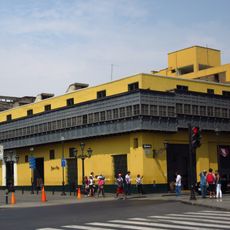
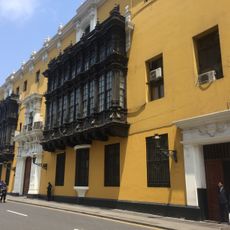
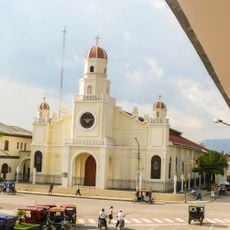
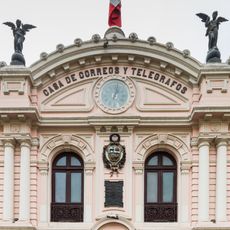
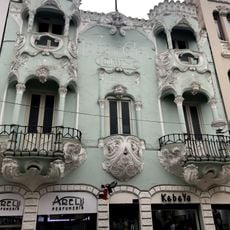
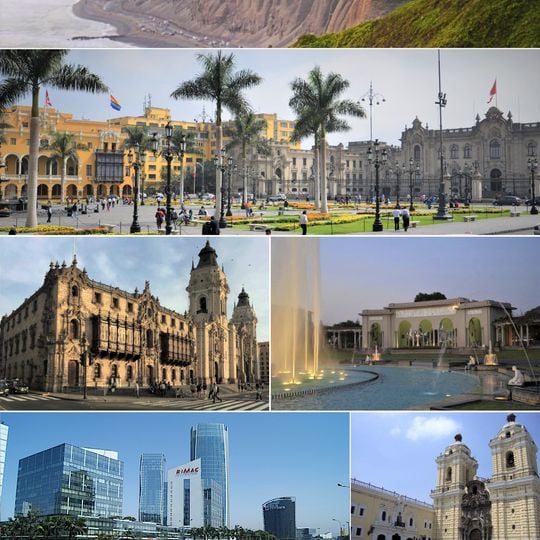
Lima stretches across river valleys and desert terrain toward the Pacific, where residential neighborhoods, industrial zones, and green spaces form a sprawling urban mosaic. Coastal districts like Barranco and Miraflores rise on cliffs above the ocean, while the historic center clusters around broad plazas and narrow colonial streets.
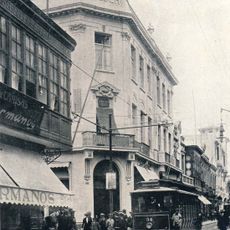
Francisco Pizarro founded the city in 1535 on the banks of the Rímac River, turning it into the administrative center of Spanish South America. Earthquakes in the 17th and 18th centuries destroyed many buildings, but the city was rebuilt and grew rapidly in the 20th century through migration from Andean regions.
Street vendors sell anticuchos and picarones at busy intersections, while locals enjoy their meals outdoors, taking in the sounds and smells of city cooking. On weekends, families gather in the coastal parks of Miraflores to watch the sunset and listen to traditional music.
Jorge Chávez International Airport sits about half an hour from the city center and connects the city with destinations across South America and beyond. Buses and informal shared taxis run through main streets, though traffic jams are common, especially during morning and evening rush hours.
Archaeological sites from pre-Columbian times, including the adobe pyramids Huaca Pucllana and Huaca Huallamarca, stand in the middle of residential neighborhoods and are illuminated at night. Visitors can walk beside these ancient structures while modern city life continues just meters away.
The community of curious travelers
AroundUs brings together thousands of curated places, local tips, and hidden gems, enriched daily by 90,792 contributors worldwide.