National Museum of Archaeology, Peru, Archaeological museum in Lurin, Peru.
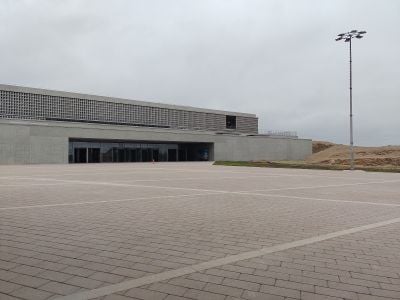
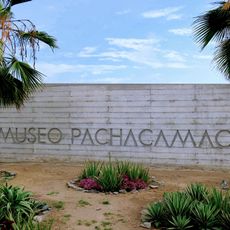
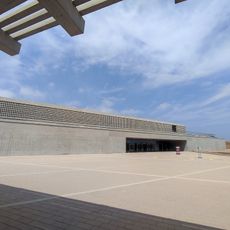
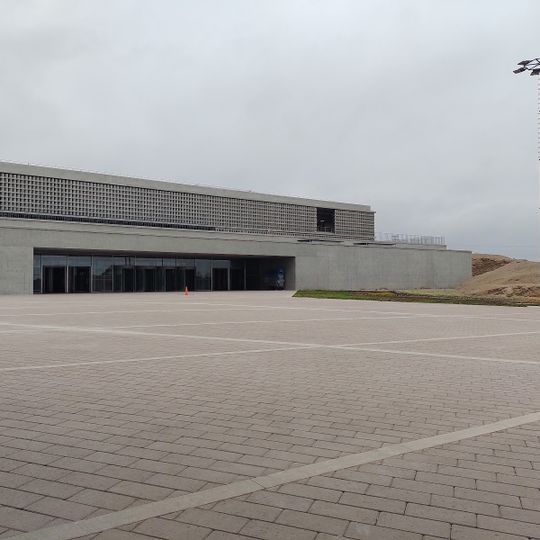
The National Museum of Peru (MUNA) stands near the Pachacamac sanctuary at kilometre 31 of the Old Panamericana Sur, in Lurín District, Lima. The seven-storey building by architect Alexia León Ángel, winner of the 2014 competition with her Tawak project, lies about 70% underground; from above its cement structure forms a chakana cross, and ramps spiral up around a central atrium to galleries on the periphery.
José de San Martín first proposed a national museum, library and archive in 1822, during the war of independence. In 2013 Minister of Culture Diana Álvarez Calderón revived the plan under President Ollanta Humala, and architect Alexia León Ángel won the 2014 competition with her Tawak design. MUNA opened on 24 July 2021 for the bicentennial, but the Ministry of Culture suspended operations on 14 December 2024.
The museum displays ceramics, textiles, and metalwork from various Peruvian cultures across its exhibition rooms. These collections help visitors understand the artistic techniques and designs that developed over centuries.
MUNA stands at kilometre 31 of the Antigua Panamericana Sur in Lurín, south of Lima, next to the Pachacamac sanctuary, and road access to the site is poor. About 70% of the building lies underground, entered through a central atrium with ramps spiralling up to peripheral galleries. Operations were suspended on 14 December 2024, so check before travelling.
About 70% of MUNA lies underground, and from above the cement structure forms the cross-shaped chakana, an Andean symbol. Its central atrium has ramps spiralling up to peripheral galleries. The building was engineered to last at least 500 years, far longer than its mechanical systems, and is designed to withstand a tsunami.
The community of curious travelers
AroundUs brings together thousands of curated places, local tips, and hidden gems, enriched daily by 92,637 contributors worldwide.