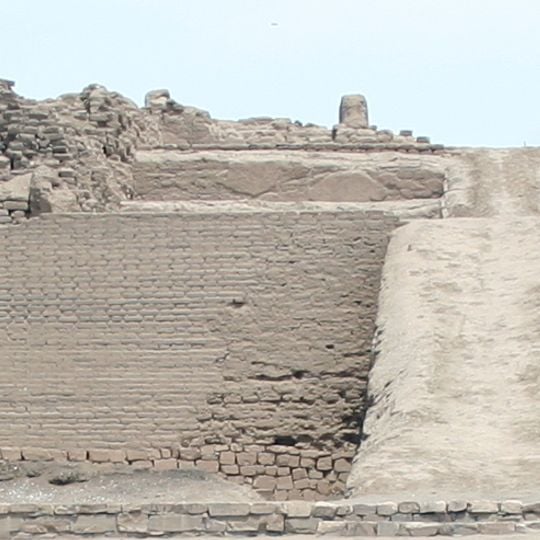
Lurín District, Archaeological district with pre-Hispanic pyramids in Lima, Peru
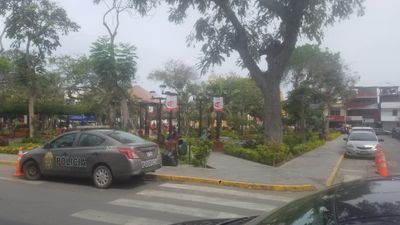
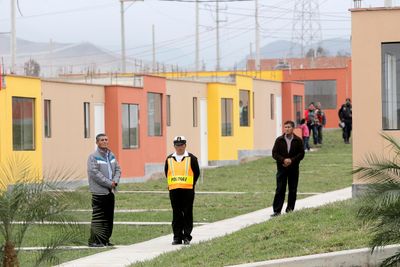
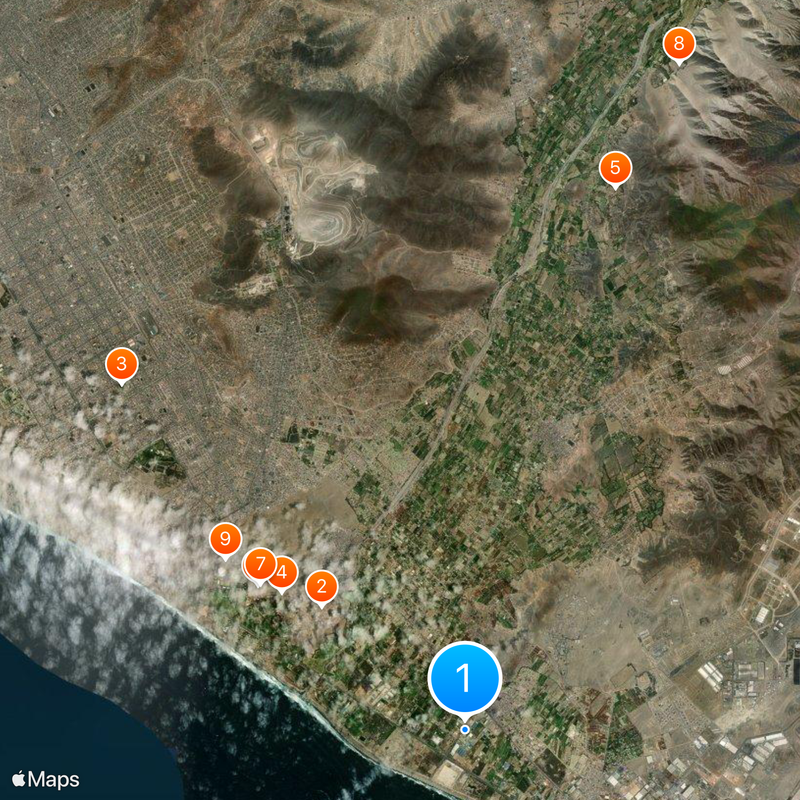
Lurín District stretches along Lima's southern coast between the Pacific Ocean and the river valley, connecting coastal areas with inland farmland. The area includes residential neighborhoods, croplands, beaches, and several archaeological sites from pre-Hispanic times.
The area was an important religious and economic center during Inca times and before. It was established as an administrative district in 1857 and has since developed into a mix of urban, agricultural, and archaeological zones.
The name Lurín comes from Quechua and refers to the river valley that defines the area. People use the land today for farming and small craft businesses that keep local traditions alive.
The district is easily reached from central Lima via the Panamericana Highway, which connects the north to the southern areas. Visitors should know that the best time for exploration follows the dry season, when weather is clear and roads are most accessible.
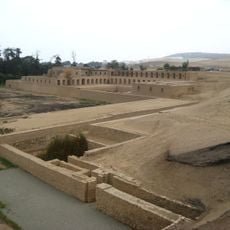
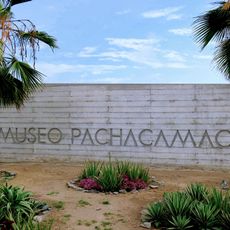
The Pachacámac complex within the district was not just a religious site but also a trading hub that drew people from across the region. Archaeologists have found traces of at least five different cultures there, layered over more than a thousand years.
The community of curious travelers
AroundUs brings together thousands of curated places, local tips, and hidden gems, enriched daily by 60,000 contributors worldwide.