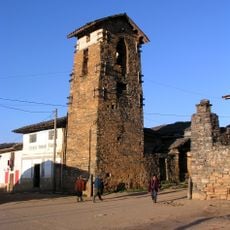
Kuelap, Archaeological fortress in Tingo District, Peru.
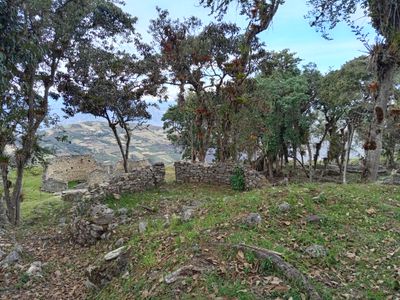
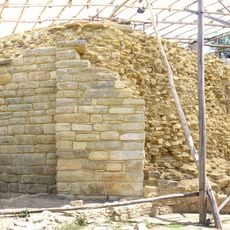
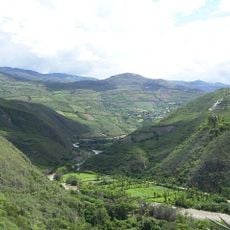
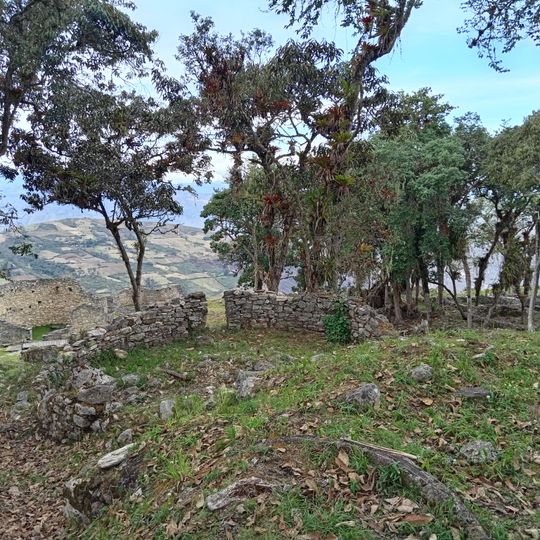
Kuélap is an archaeological site in Luya Province in the Amazonas Department of northern Peru, perched on a narrow mountain ridge overlooking the valley of the Utcubamba River. The outer walls of pale limestone enclose a wide area where the remains of numerous round stone dwellings are scattered, many overgrown with low vegetation.
The Chachapoyas began building Kuélap around the 11th century, with most structures raised between 900 and 1100 AD, and the walled settlement held some 3000 inhabitants. It was abandoned around 1570 as the Spanish colonial reductions took hold. A massacre on the Plataforma Circular, followed by a great fire, marks the end of its occupation.
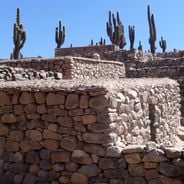
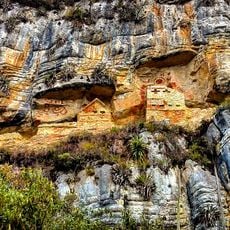
The name Kuélap is not Quechua in origin; the site was built by the Chachapoyas culture. Many limestone blocks carry anthropomorphic, zoomorphic and geometric designs in relief, and some walls keep rhomboid and zigzag friezes sheltered by cornices. Burials were placed both in the walls and inside the circular structures.
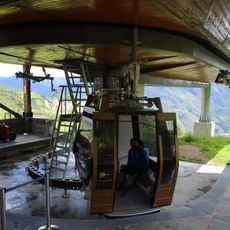
Access is via El Tingo, a town at about 1,800 m near the Utcubamba, from where a cable car brings visitors to within 2 km of the site; the rest is covered on foot or often by horse. A steep trail from El Tingo climbs 8.9 km with 1,200 m of elevation gain, and a dirt road of 37 km is also passable.
The perimeter walls enclose an area of around 6 hectares and at some points reach a height of 20 meters, showing the scale of effort involved in construction. Inside the complex lie over 450 round structures, many of which contain burial niches in their walls, indicating a close link between daily life and ancestor worship.
The community of curious travelers
AroundUs brings together thousands of curated places, local tips, and hidden gems, enriched daily by 92,609 contributors worldwide.