See the monuments around you in AROpen chests in the app
Around Us is built for your phone — point your camera at the streets and discover the monuments and places around you in augmented reality.Around Us is built for your phone — chests unlock when you walk, explore and capture nearby places.
This collection shows archaeological sites built by Inca culture across Peru, Bolivia, and Argentina. At these places you will find terraces, temples, fortresses, burial grounds, and structures aligned with the stars, all revealing the building skills of this pre-Columbian civilization. The sites spread across different regions, from high mountain valleys to coastal plains.
The collection includes well-known places such as the circular terraces of Moray, the temple structures at Raqchi, and the carefully fitted stone walls of Ollantaytambo. Each site shows different stone-working techniques and served different purposes, from agricultural use to religious functions. When you walk through these places, you can see how the Inca shaped their surroundings with stone and precision.
These locations offer a chance to understand the history and engineering of a civilization that thrived about 500 years ago. The way the stones fit together and the thoughtful design of these buildings give visitors a sense of how the Inca lived and worked.
This collection shows archaeological sites built by Inca culture across Peru, Bolivia, and Argentina. At these places you will find terraces, temples, fortresses, burial grounds, and structures aligned with the stars, all revealing the building skills of this pre-Columbian civilization. The sites spread across different regions, from high mountain valleys to coastal plains.
The collection includes well-known places such as the circular terraces of Moray, the temple structures at Raqchi, and the carefully fitted stone walls of Ollantaytambo. Each site shows different stone-working techniques and served different purposes, from agricultural use to religious functions. When you walk through these places, you can see how the Inca shaped their surroundings with stone and precision.
These locations offer a chance to understand the history and engineering of a civilization that thrived about 500 years ago. The way the stones fit together and the thoughtful design of these buildings give visitors a sense of how the Inca lived and worked.
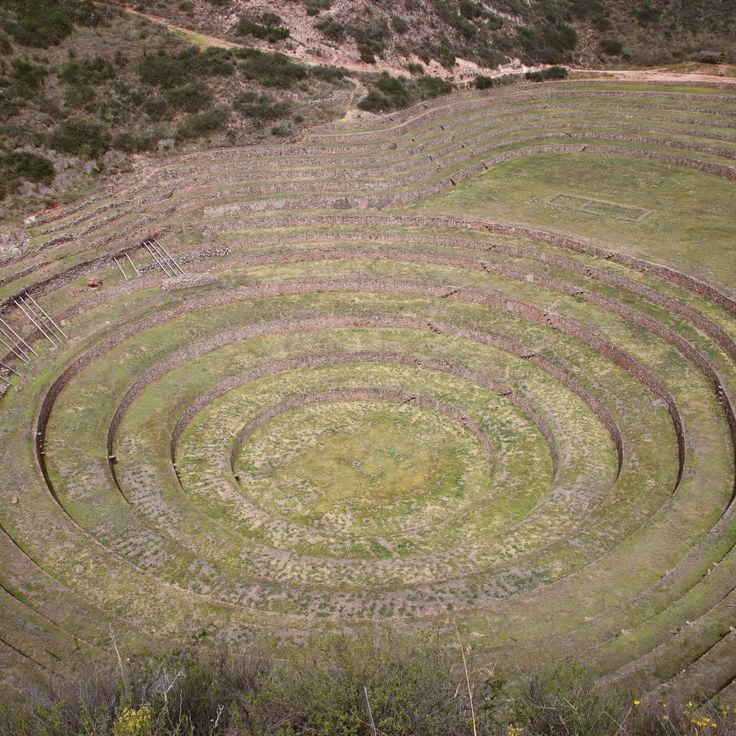
The Moray Terraces are an agricultural research facility with concentric cultivation terraces built by the Inca at different elevations to study climate zones. Located in Cusco, these terraces show how the Inka used different altitudes to understand and test farming methods across various environmental conditions. This site demonstrates the Inca engineering skills in stone masonry and their knowledge of agriculture and climate adaptation.
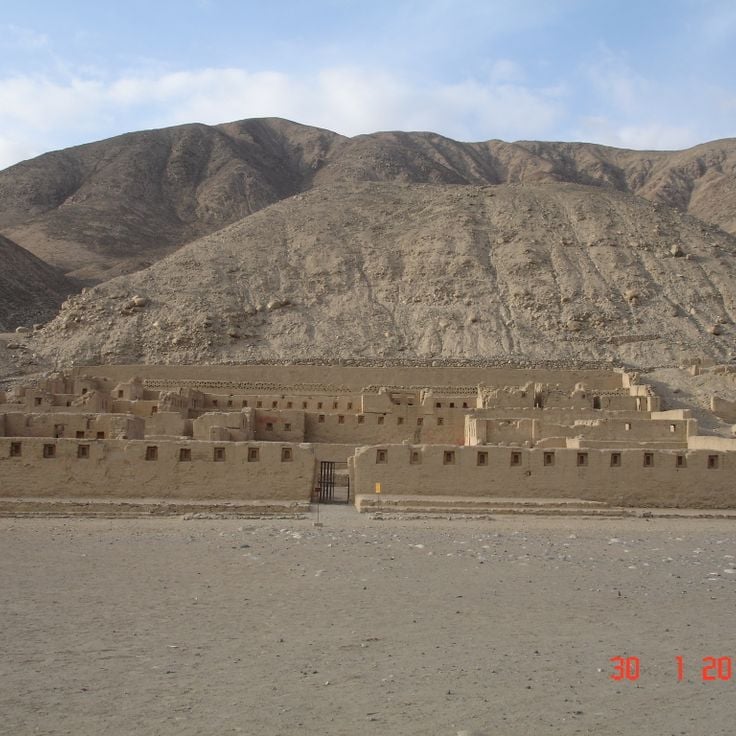
Tambo Colorado is an administrative Inca complex in Pisco, Peru, constructed with red, white and yellow adobe bricks. This site demonstrates Inca architectural techniques and served as a control point on the coastal road. The complex belongs to the Inca sites in South America that display stone masonry and showcase the technical skills of this pre-Columbian culture.
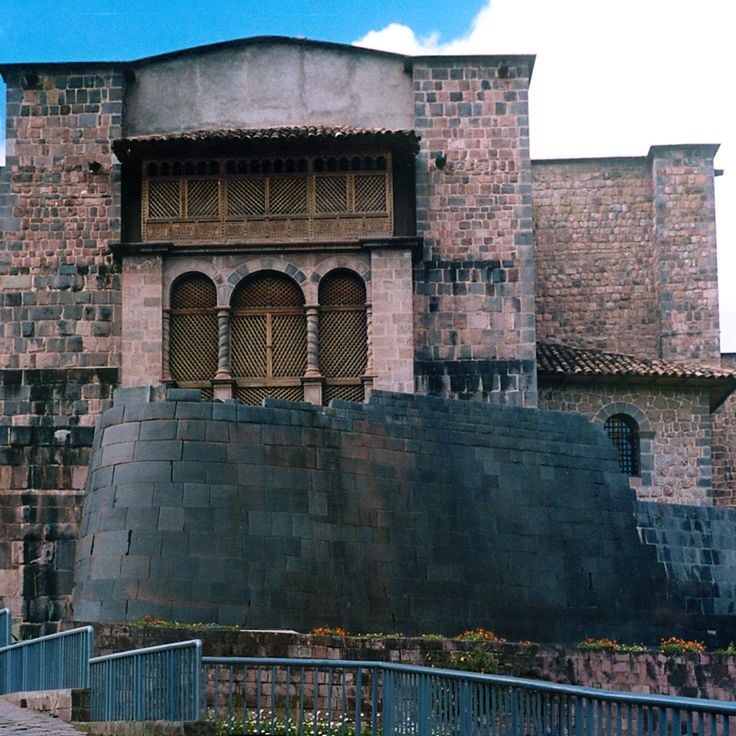
Qorikancha served as the most important religious center of the Inca Empire. This site displays the architectural mastery of Inca builders through carefully fitted stonework and precise astronomical alignments. The walls were once covered in gold sheets. Today, the Santo Domingo Church stands built upon the foundations of this sacred temple.
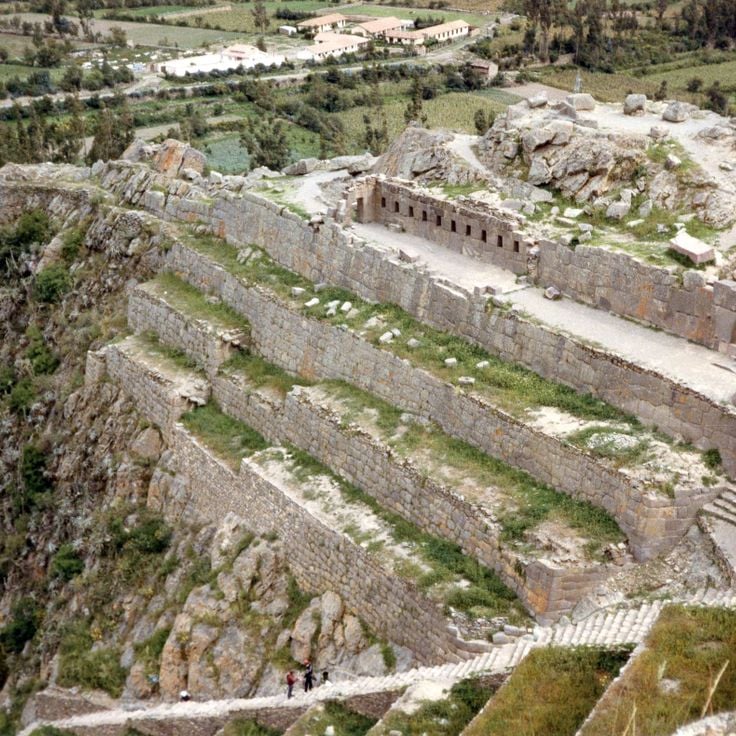
Ollantaytambo is a military and religious complex in the Sacred Valley that displays the architectural skills of Inca culture. The site features precisely cut stone terraces, water channels and storehouses for agricultural products. These structures demonstrate the technical knowledge of this pre-Columbian civilization.
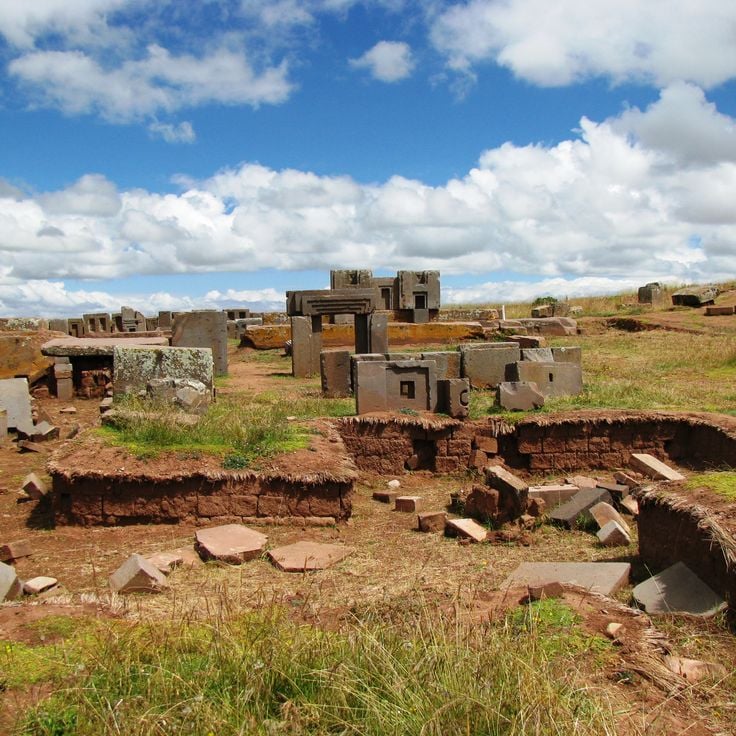
Puma Punku is a pre-Incan temple complex in Tiwanaku displaying the technical skills of early Andean cultures. The site consists of precisely cut andesite blocks joined with metal clamps and arranged in complex geometric patterns. Puma Punku exemplifies the advanced building techniques found among the archaeological Inca sites of South America.
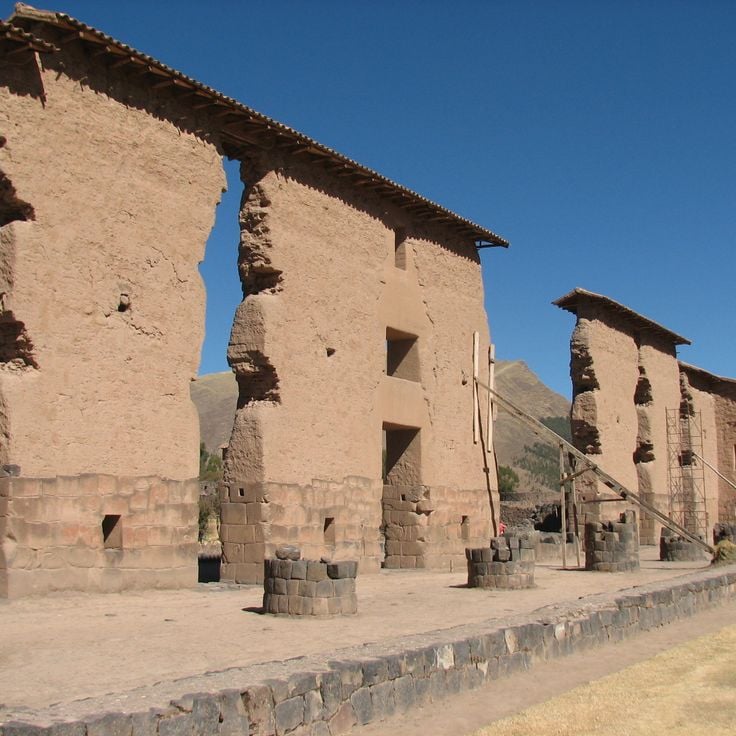
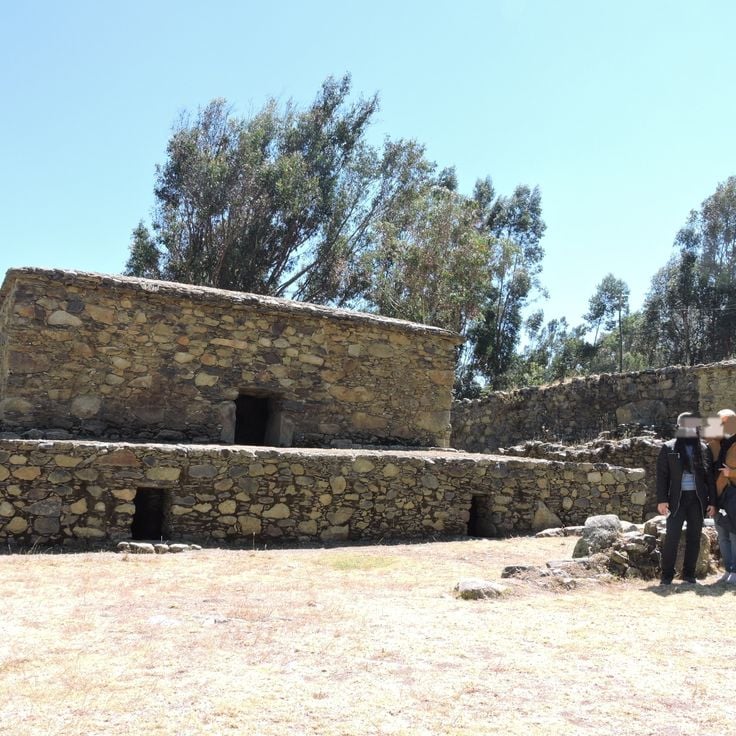
Raqchi Ruins is an Inca settlement located in Cusco and part of the archaeological Inca sites in South America. The site displays Inca architectural features including a 92-meter stone and adobe temple. Raqchi contains storage rooms, living quarters, and water channels that demonstrate the technical skills of this pre-Columbian culture.
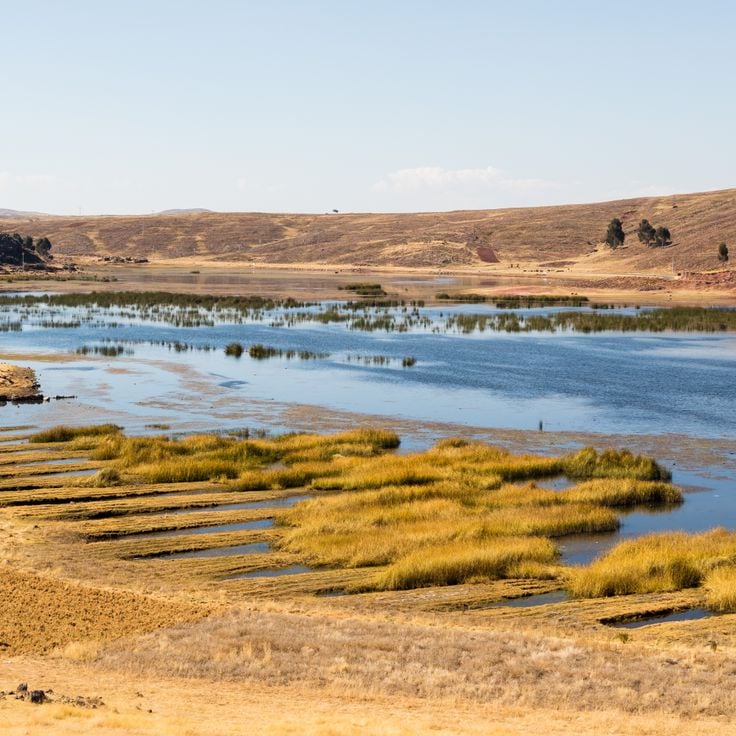
Sillustani is a pre-Hispanic burial ground in Peru featuring cylindrical stone towers up to 12 meters tall that served as tombs for Kolla culture nobility. This archaeological site showcases the stone masonry skills of an Andean culture that predates Spanish arrival. The towers demonstrate advanced construction techniques developed in the high mountain regions of Peru. Sillustani belongs to a collection of Inca-period sites across South America that includes terraces, temples, fortresses and astronomical structures.
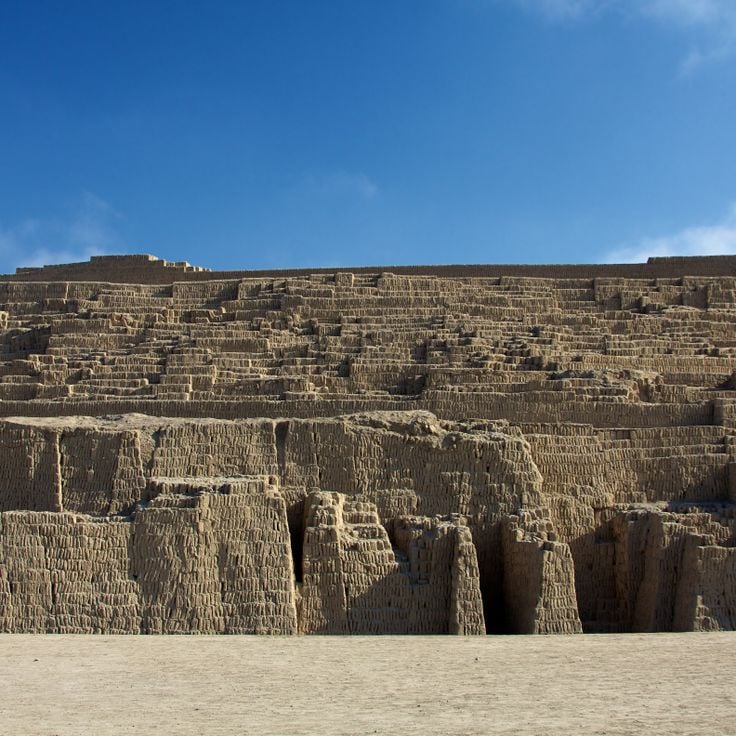
Huaca Pucllana is a fifth-century ceremonial center built by the Lima culture and represents the kind of architectural skill found across Inca sites in South America. The pyramid was constructed using millions of handmade clay bricks arranged in seven levels. This structure shows the technical knowledge and building methods of this pre-Columbian people.
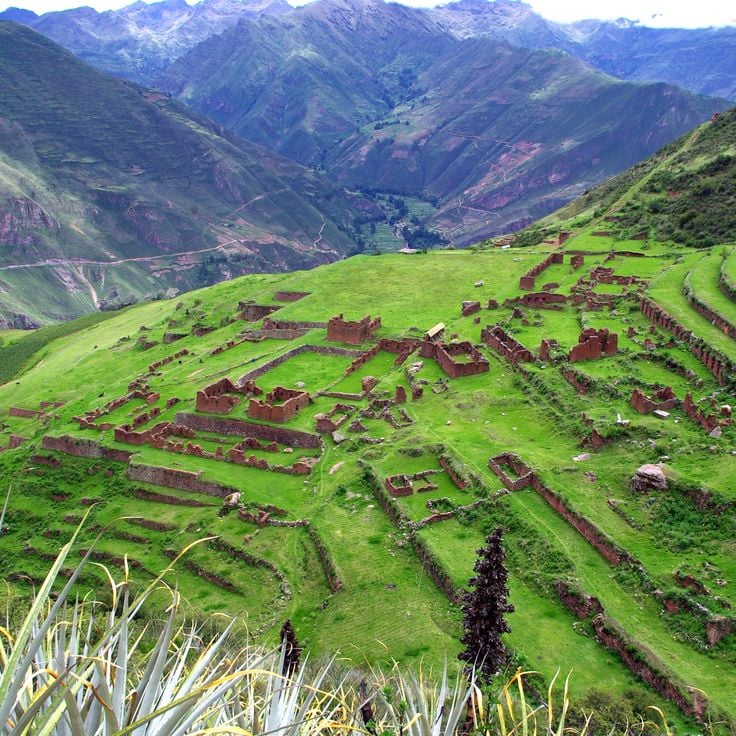
Huchuy Qosqo is a 15th century Inca settlement located in Peru's Sacred Valley at 3,650 meters elevation. This site displays key architectural features of pre-Columbian Inca culture, including terraced fields and an intricate water channel system. The stone masonry reveals the technical skill of Inca builders. As part of South America's Inca archaeological sites, Huchuy Qosqo shows how the Inca adapted their construction methods to mountain terrain.
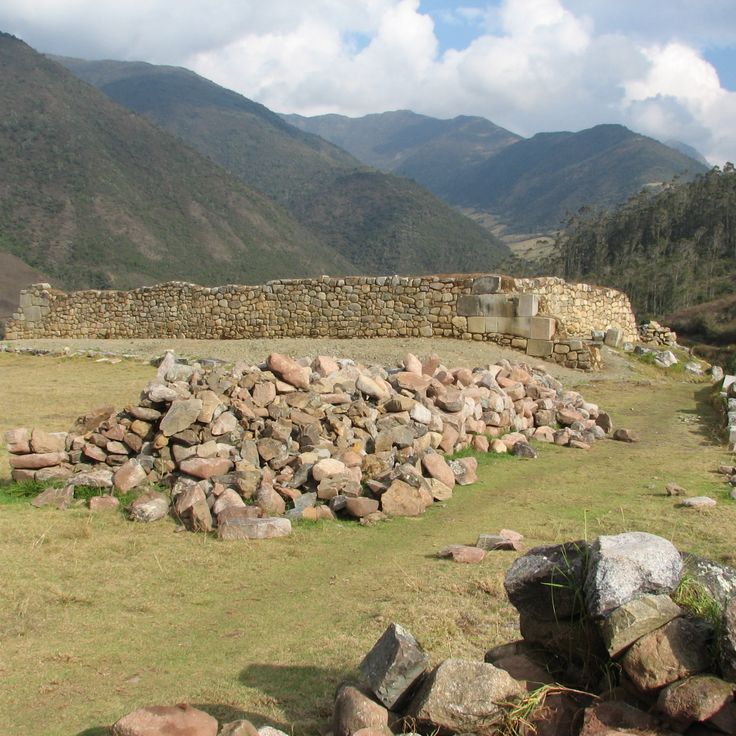
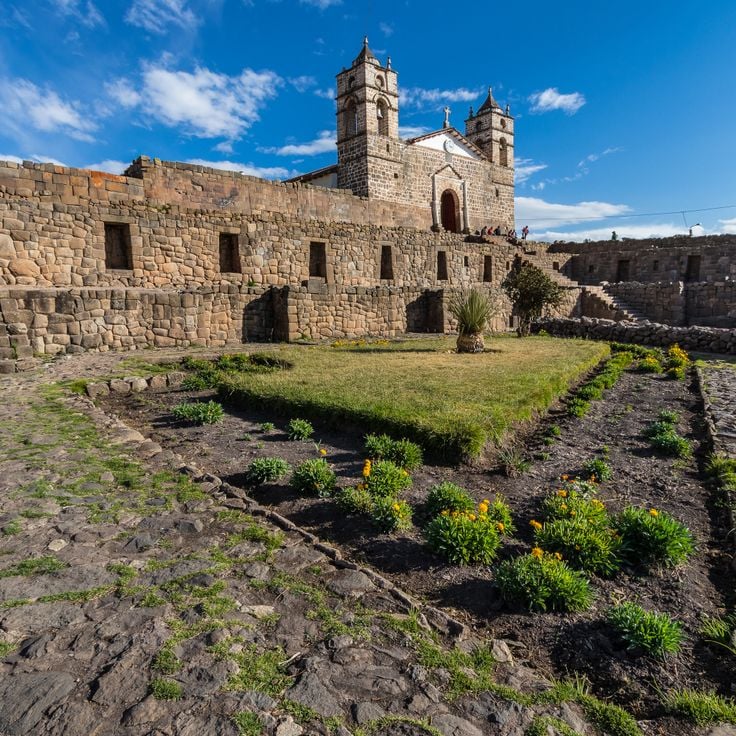
Vitcos is an archaeological site in the Cusco region of Peru that displays examples of Inca architecture. The complex contains stone buildings, temples and agricultural terraces from the 16th century. These remains show the construction techniques and organizational skills of the Inca culture, which built structures for housing, religious purposes and farming.
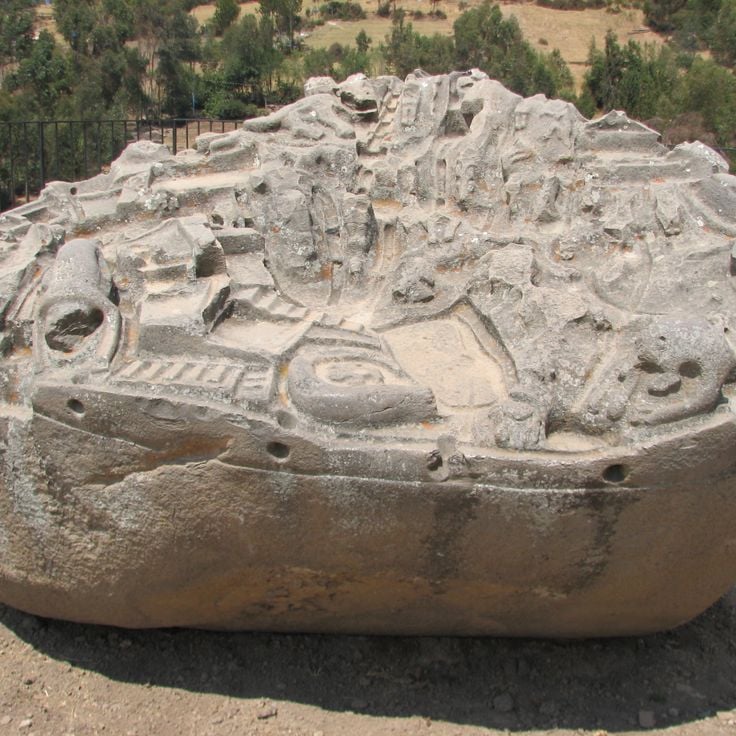
The Sayhuite Monolith displays the technical skill of Inca stone masonry. This granite stone, measuring 2.5 by 4 meters (8 by 13 feet), is covered with a complex system of miniatures representing religious and agricultural symbols. The monolith demonstrates how the Inca people used stone to record their beliefs and daily practices, making it an important archaeological site among the Inca structures found across Peru, Bolivia and Argentina.
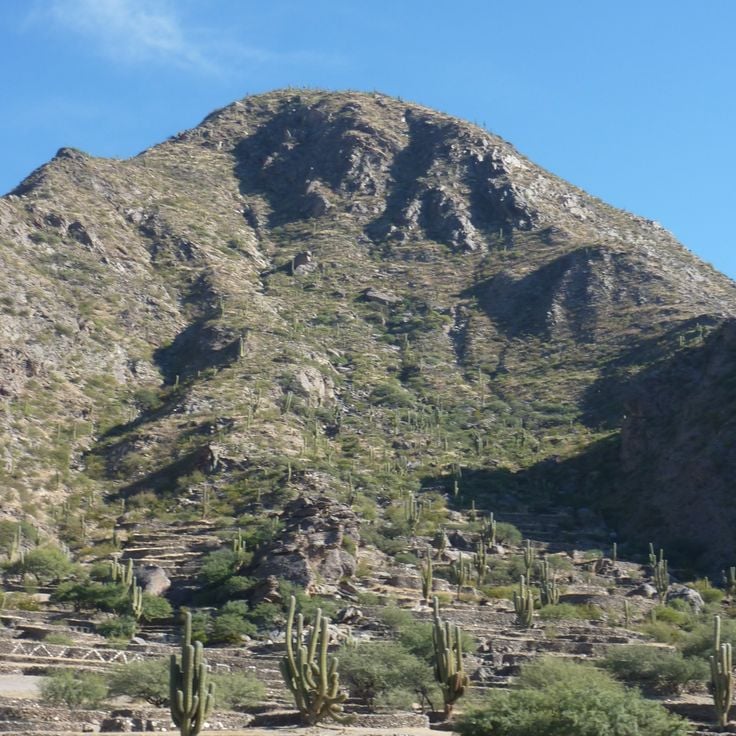
Quilmes Ruins represent an important example of Inca architectural features in Argentina. This 9th century settlement displays the stone masonry and technical skills of the Quilmes culture. The site includes terraces, temples and fortification structures that show how this pre-Columbian settlement was organized. Walking through Quilmes Ruins, you can observe the layout and construction methods of this historical community.
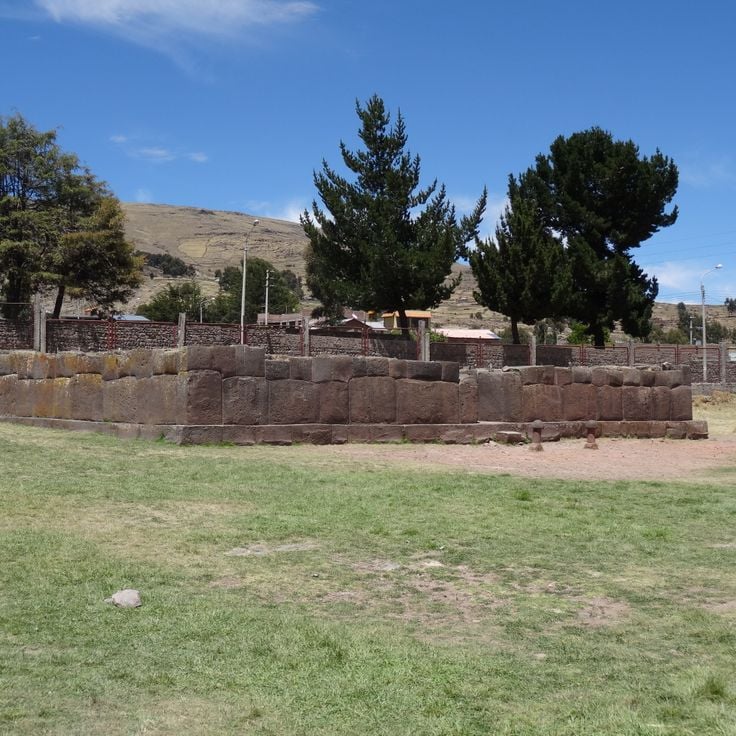
Inca Uyo is a ritual complex from the Inca period located in Chucuito, Peru. The site features 86 vertical stone columns arranged in circular patterns. These structures display the technical skills of Inca craftspeople and contribute to the collection of Inca architectural sites across South America. The vertical stone formations likely served ceremonial or astronomical purposes.
The Intihuatana at Machu Picchu is a stone structure built by the Inkas to track sun movements and determine seasons in ancient Peru. This observation post shows the astronomical knowledge of the Inkas and is part of the archaeological sites in South America that include temples, terraces, and fortresses made of stone. The Intihuatana demonstrates the technical skill of this pre-Columbian culture.
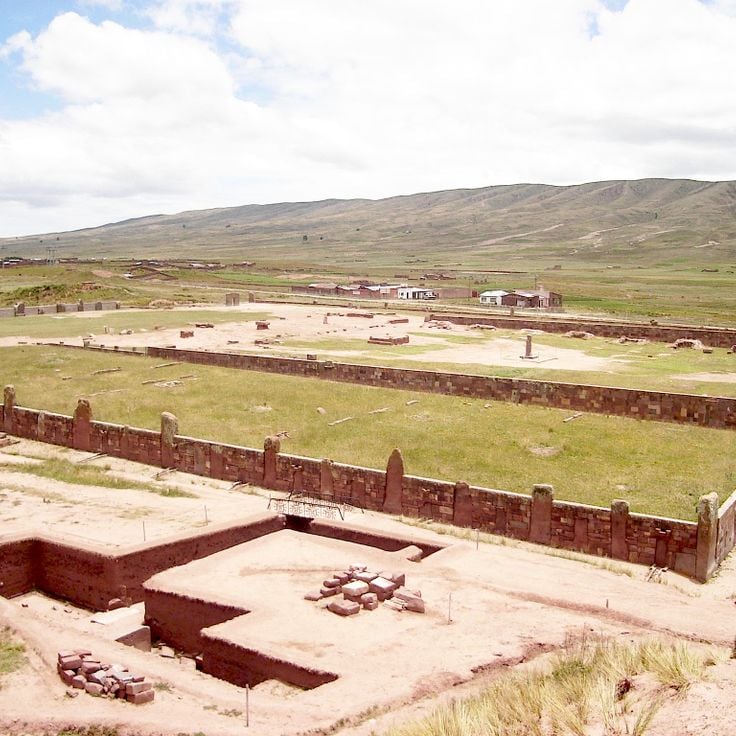
Tiwanaku is an archaeological site in Bolivia featuring pyramids, temples and monuments built from stone blocks between 300 and 1000 CE. This pre-Incan city demonstrates the building skills of a culture that flourished before the Inca. Tiwanaku represents one of the South American sites that preserves stone masonry techniques and religious structures from pre-Columbian times.
Kotosh is a pre-Incan temple complex in Huanuco, Peru, that displays the technical skills of early South American cultures. The site contains structures built on top of each other from different periods between 2000 and 200 BCE. Kotosh belongs to the important pre-Incan sites and shows early stone construction techniques that later influenced Incan culture.
Juli is a city on the shore of Lake Titicaca in Peru that holds four colonial churches built in the 16th and 17th centuries. These churches display architectural styles that developed during Spanish colonial times and connect to the Inca sites found throughout this region. The stone construction of the churches shows building techniques linked to the methods used by Inca culture.
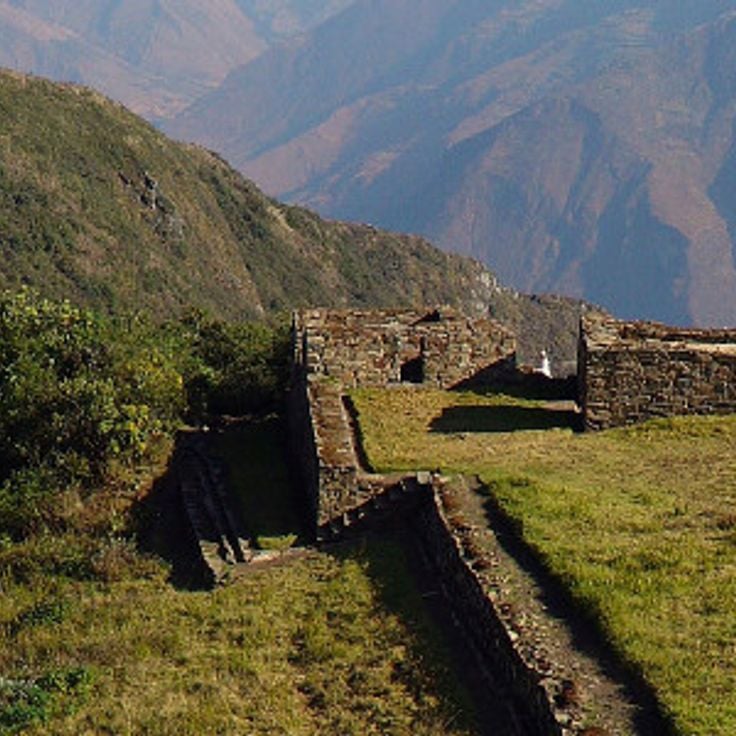
Choquequirao is an archaeological site in the Peruvian Andes that displays Inca stone buildings, terraces, and water channels. Located at 3050 meters altitude, this site demonstrates the construction techniques and engineering skills of the Inca people before the Spanish conquest.
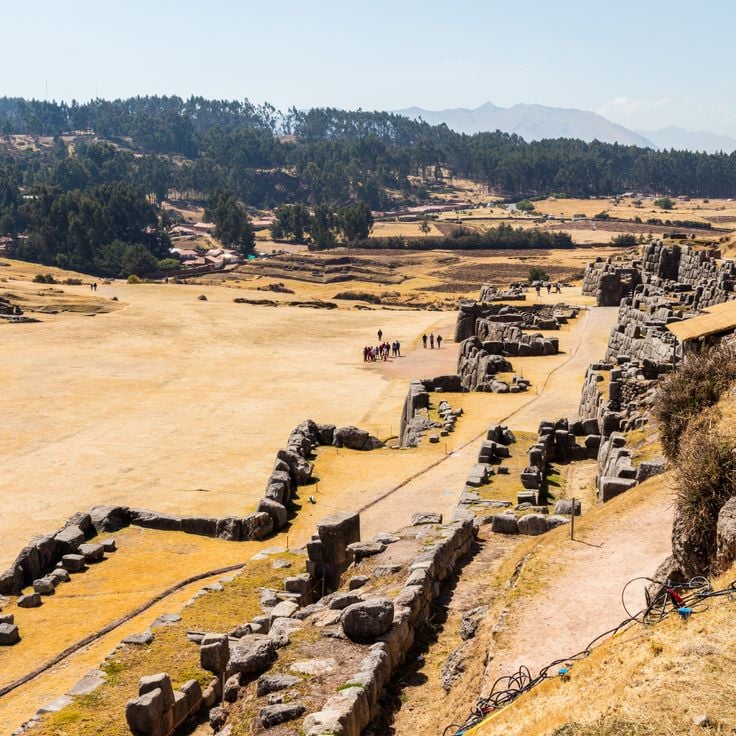
Saksaywaman is a fortress complex perched above Cusco where the Inca demonstrated remarkable building skills in a mountainous setting. The massive stone blocks fit together so precisely that you cannot insert a blade between them. This site served both defensive and religious purposes for the Inca civilization. Walking through the ruins, you can observe the careful craftsmanship and engineering techniques the Inca used to create structures that have endured for about 500 years.
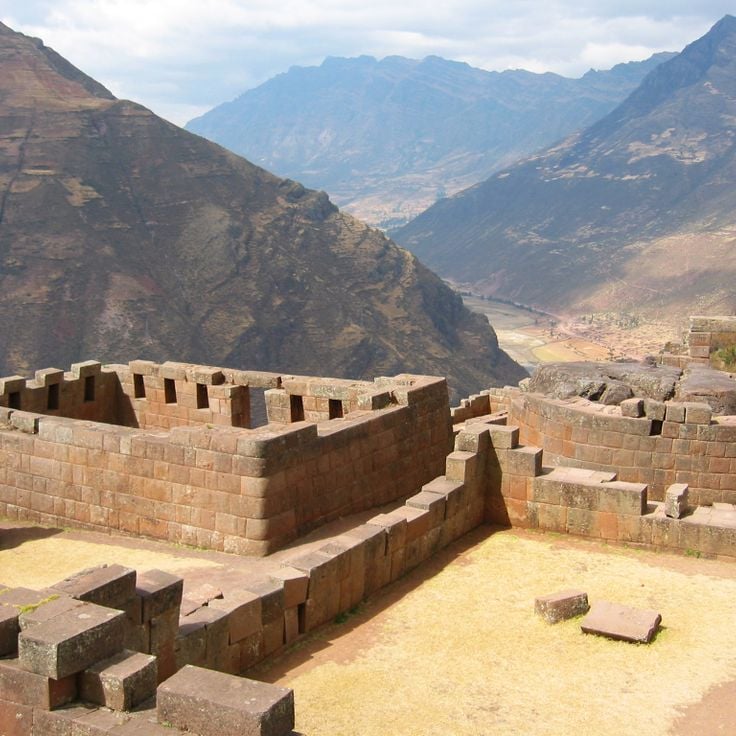
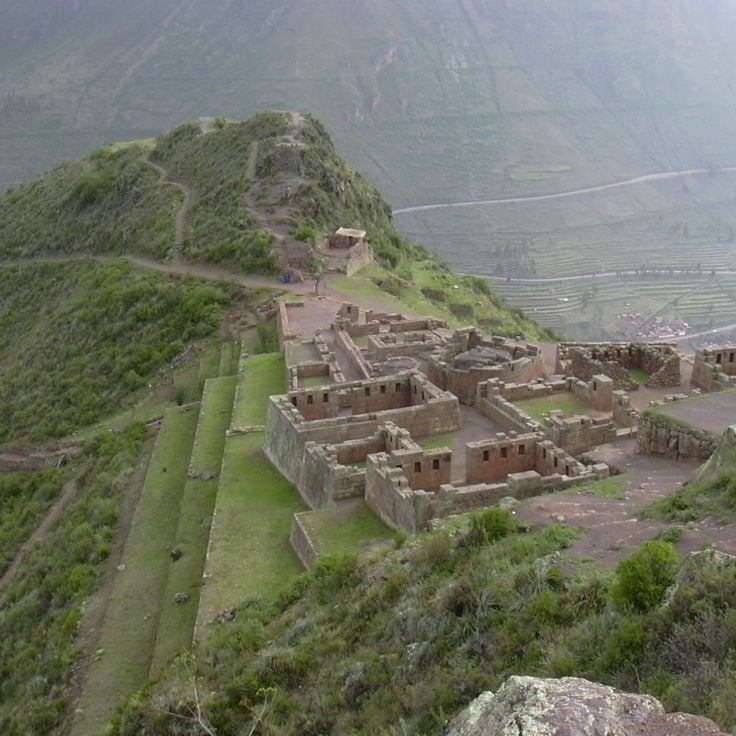
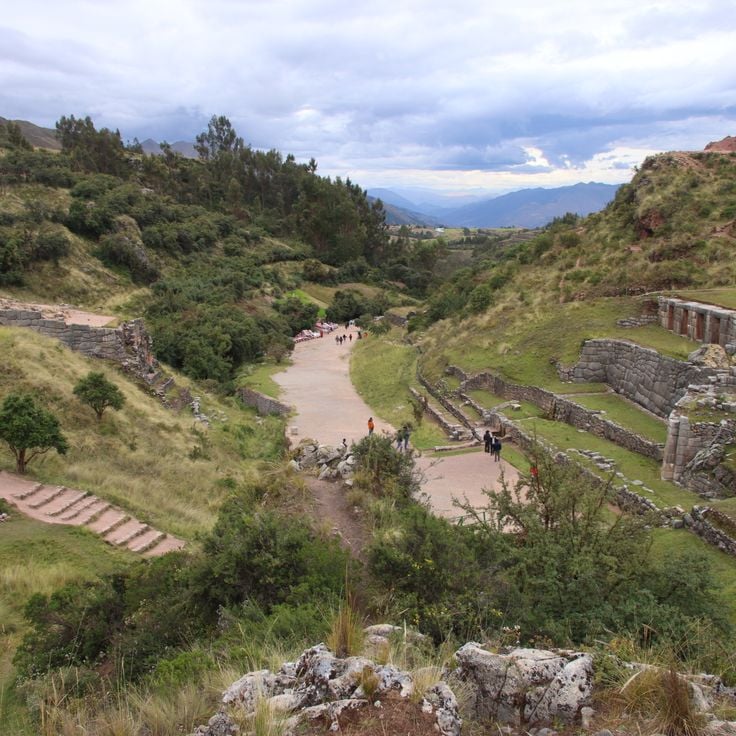
The Pisac district shows the skills of Inca civilization in the Andes. Here you will find temples, terraces, and living structures built into the hillside. The Inka constructed these buildings about 500 years ago with careful precision. As you walk through this place, you can see how the stones fit together and how the Inka shaped their environment.
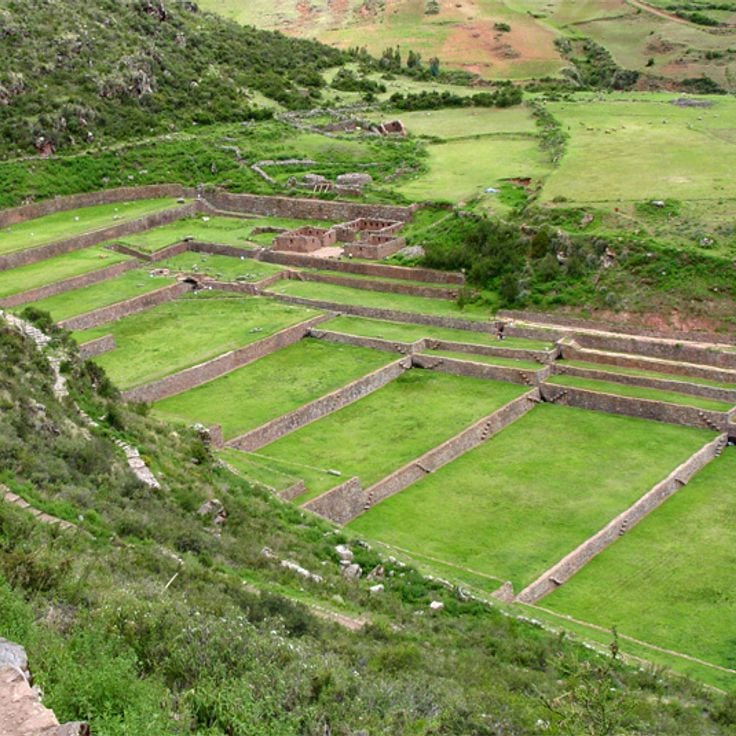
Tipón is an archaeological site located in the high Andes, about 25 kilometers from Cusco. The site consists of a series of agricultural terraces built into the steep mountainside, connected by an intricate system of water channels and irrigation infrastructure. The Inca built these structures with remarkable skill, fitting stones together so precisely that mortar was not needed. Beyond the terraces, the site contains temples and residential spaces carved directly into the rock face. Walking through Tipón, you can see how the Inca managed to farm on difficult slopes and how they engineered water systems to support their communities.
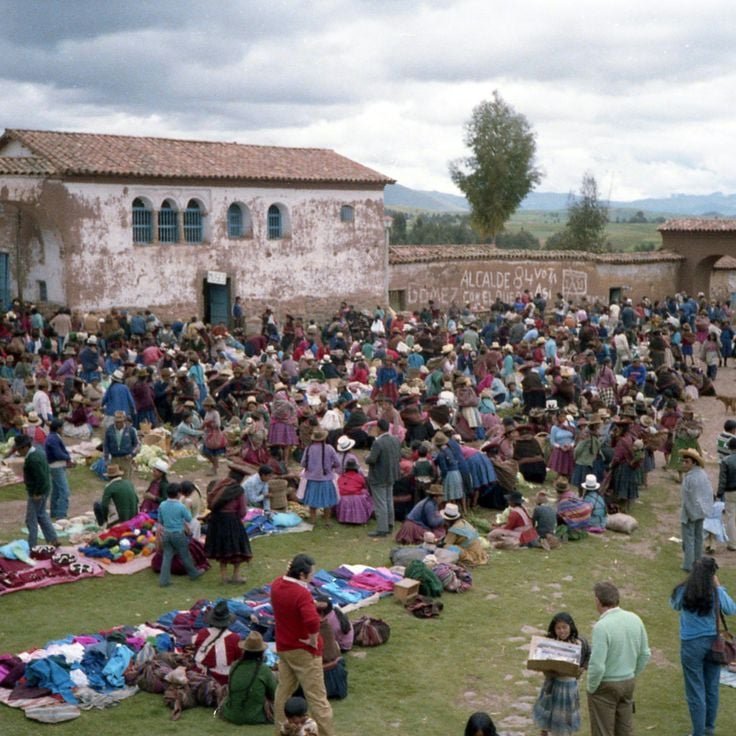
Chinchero district lies in the Andean highlands of Peru and preserves several remains from Inca times. At this location, visitors find terraces built into the hillside, as well as temples and structures aligned with the stars. The walls show the careful stonework for which the Inca were known. The district was an important administrative center and served both agricultural and religious purposes. When exploring this place, you can see how the Inca shaped their surroundings with great care and precision.
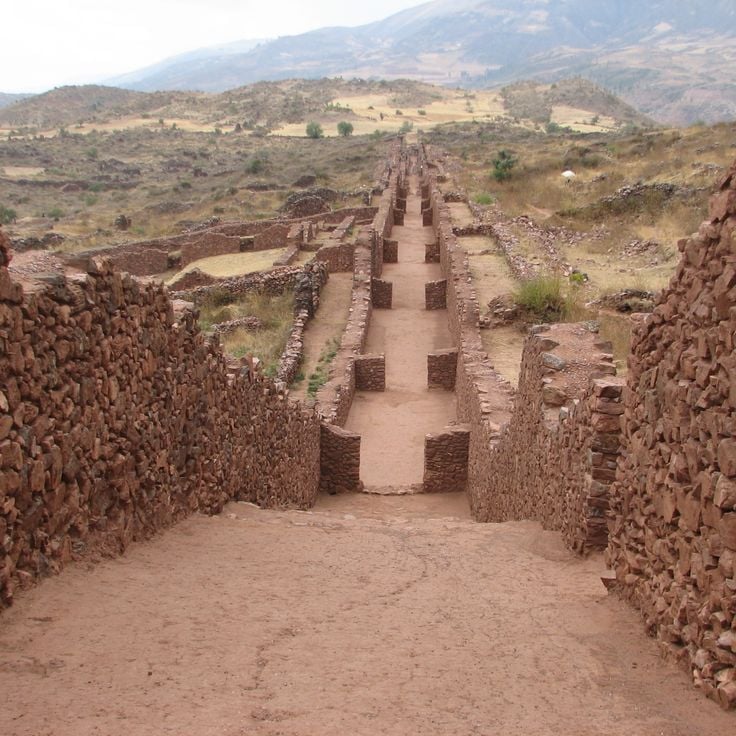
Piquillacta was a major city built by the Inca roughly 500 years ago in the Andes of Peru. The ruins show residential blocks, water channels, and streets that were carefully laid out. This site helps us understand how the Inca organized their cities and managed their land. Walking through Piquillacta, you can see traces of daily life as it happened centuries ago.
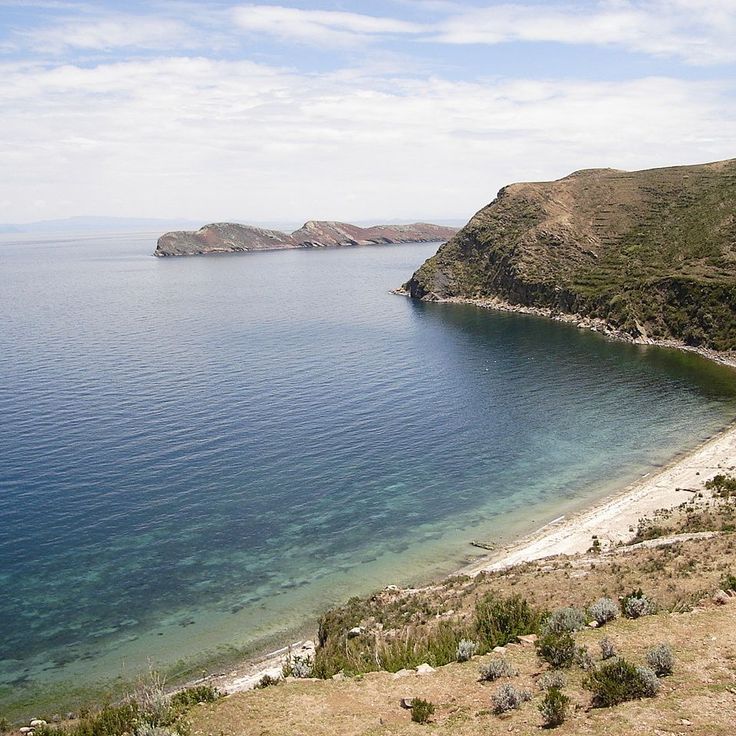
This island in Lake Titicaca was a sacred place for the Inca. On Isla del Sol you can find ruins of temples and shrines that show the religious importance of this location. The island held deep spiritual meaning in Inca culture and served as a center for ceremonies and worship. Visitors can see the remains of these structures today and understand how the Inca used this place to express their connection to the sky and their gods.
Tambomachay is an archaeological site in Cusco Province, Peru, located in the Andes. It displays carefully worked stone structures built by the Inca. The site contains terraces and water channels that likely served religious or administrative purposes. The stone walls are fitted together without mortar, demonstrating Inca craftsmanship. Visitors can see how the Inca shaped and used their mountain environment with precision and care.
Huizcahuaín is an archaeological site in Peru's Callejón de Huaylas that dates to the pre-Inca period. It displays stonework and structures built by earlier cultures in this Andean region. The site offers insight into how people settled and built in this landscape before the rise of the Inca Empire.
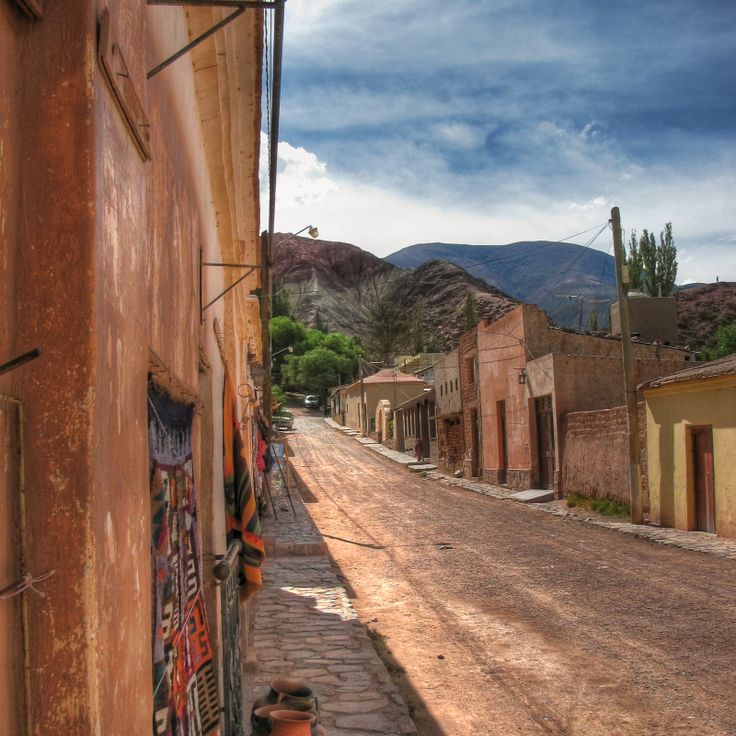
Purmamarca is a mountain village in the Tumbaya department of Argentina. Located in the Andes mountains, this settlement reflects the presence of Inca culture through its landscape and layout. The village sits near geological formations and sites that were once used by the Inca people. Walking through this area, you can observe how the Inca adapted to the mountainous terrain and how their construction methods shaped the region.
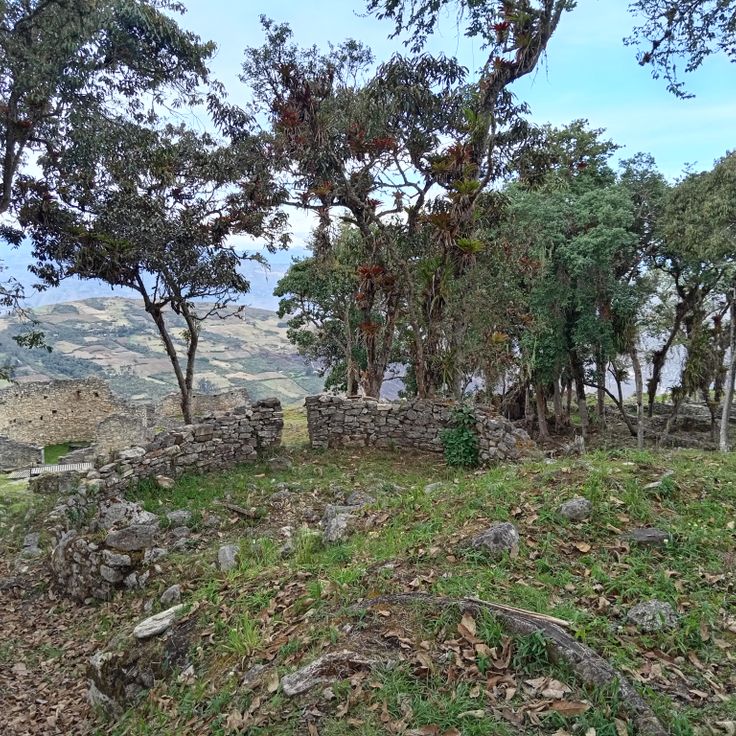
Kuélap is a hilltop fortress built by the Chachapoya culture long before the Inca arrived in the region. This imposing structure sits high in the mountains of northern Peru, enclosed by massive stone walls that rise several meters tall. Inside the walls, visitors find the ruins of houses, temples, and other buildings arranged on terraces. The builders used the steep mountainous terrain to their advantage, creating a stronghold that was difficult to attack. Walking through Kuélap, you notice carefully cut stones fitted together without mortar and clever designs that show the Chachapoya people's skill in stone construction. The site reveals how this civilization adapted to life in the rugged highlands, building a complex society before the Inca conquered the area.
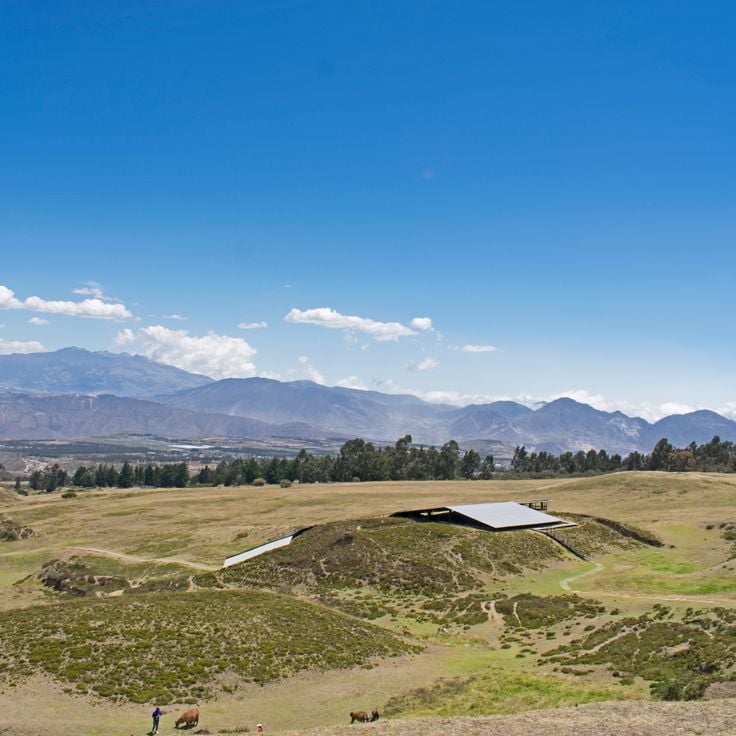
The archaeological site of Cochasquí is located in Tocachi, Ecuador and displays structures built by early cultures of the Andean region. The site contains stone pyramids and ceremonial platforms that are thousands of years old. Visitors can see how people in this region constructed their buildings with carefully stacked stones. The site offers insight into the building methods and religious practices of ancient Andean peoples.
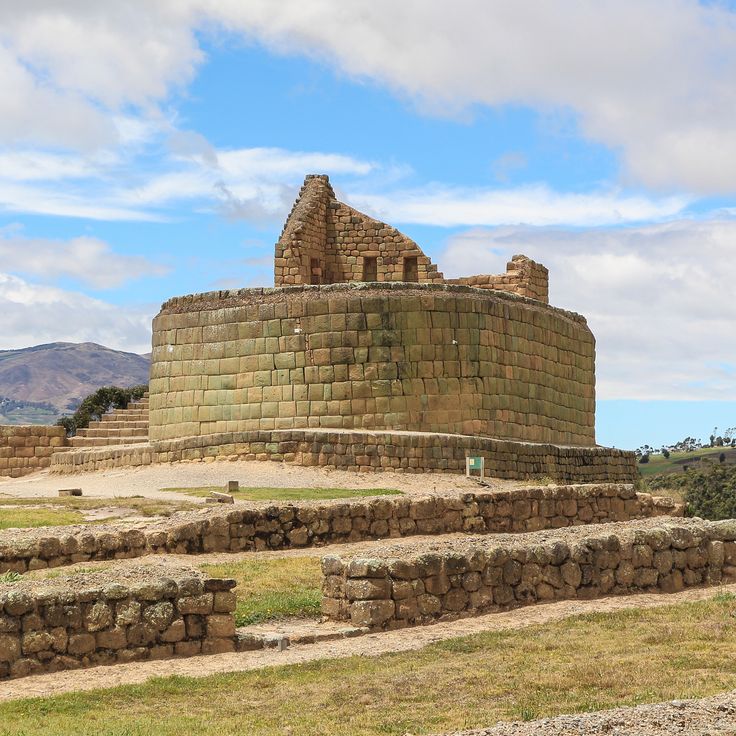
Ingapirca is a pre-Hispanic archaeological site in Cañar Province, Ecuador. It displays structures built by Inca culture, including a temple made of carefully worked stone and terraces that reflect the skill of this civilization. Located in the Andean regions, it likely served as a religious or administrative center. When visiting, you can see how the Inca shaped their surroundings with precision and how the stones fit together perfectly. Ingapirca offers insights into the life and craftsmanship of this civilization that flourished about 500 years ago.
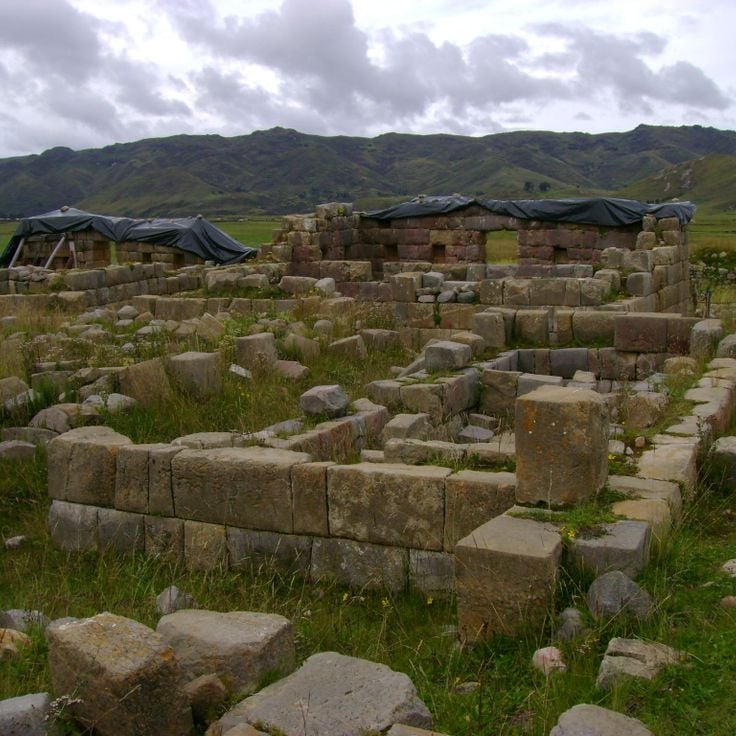
Huánuco Pampa is an Inca archaeological site in the La Unión district of southern Peru. This site shows how the Inca built their large administrative centers. Here you will find expansive plazas, residential buildings, storage structures, and temples, all constructed from carefully shaped stone. The complex served as an important administrative post along the famous Inca road system, where officials managed control over vast territories. Walking through this place, you can understand how the Inca distributed their power and organization across their enormous realm.
Vilcashuamán was an important administrative center of the Inca civilization in the Peruvian Andes. At this location, you can find ruins of temples, palaces, and other structures that show the architectural skill of the Inca people. The stonework displays the typical techniques the Inca used in their construction, with stones fitted together precisely without mortar. Vilcashuamán sits at a high elevation in the region and was strategically significant for controlling and managing the surrounding areas.
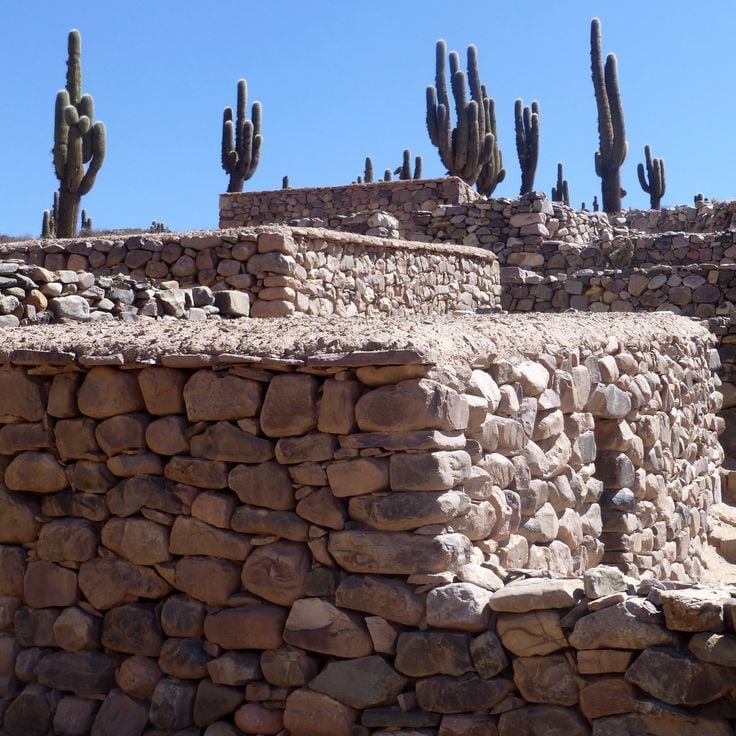
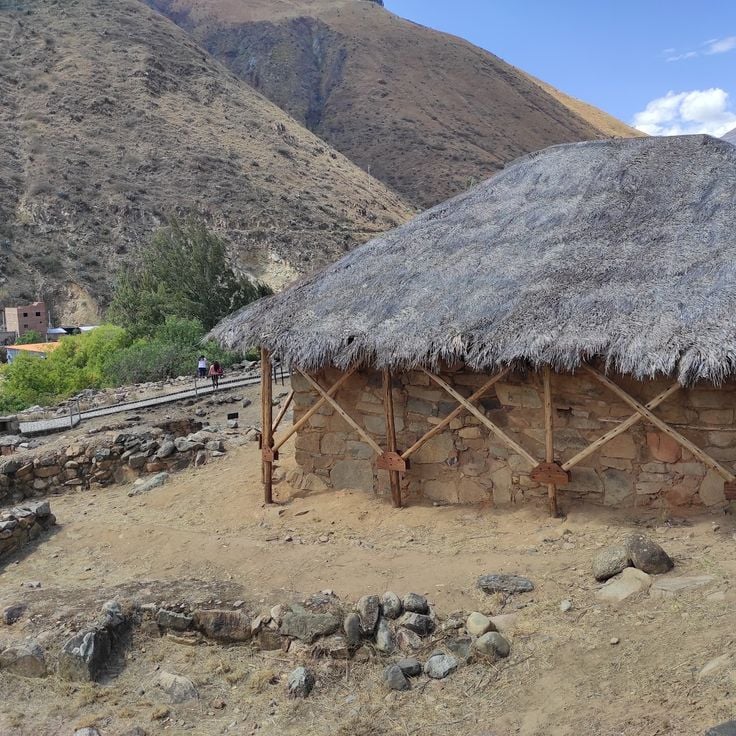
Pucará de Tilcara is an ancient fortress in Argentina built by Inca culture. This fortification shows how the Inca controlled and defended their territories in the Andes. With its massive stone walls and strategic structures, Pucará de Tilcara reveals the military architecture of this civilization. The site demonstrates how the Inca fitted stones together with precision and adapted their buildings to mountain landscapes.
The Moray Terraces are an agricultural research facility with concentric cultivation terraces built by the Inca at different elevations to study climate zones. Located in Cusco, these terraces show how the Inka used different altitudes to understand and test farming methods across various environmental conditions. This site demonstrates the Inca engineering skills in stone masonry and their knowledge of agriculture and climate adaptation.
Tambo Colorado is an administrative Inca complex in Pisco, Peru, constructed with red, white and yellow adobe bricks. This site demonstrates Inca architectural techniques and served as a control point on the coastal road. The complex belongs to the Inca sites in South America that display stone masonry and showcase the technical skills of this pre-Columbian culture.
Qorikancha served as the most important religious center of the Inca Empire. This site displays the architectural mastery of Inca builders through carefully fitted stonework and precise astronomical alignments. The walls were once covered in gold sheets. Today, the Santo Domingo Church stands built upon the foundations of this sacred temple.
Ollantaytambo is a military and religious complex in the Sacred Valley that displays the architectural skills of Inca culture. The site features precisely cut stone terraces, water channels and storehouses for agricultural products. These structures demonstrate the technical knowledge of this pre-Columbian civilization.
Puma Punku is a pre-Incan temple complex in Tiwanaku displaying the technical skills of early Andean cultures. The site consists of precisely cut andesite blocks joined with metal clamps and arranged in complex geometric patterns. Puma Punku exemplifies the advanced building techniques found among the archaeological Inca sites of South America.
Raqchi Ruins is an Inca settlement located in Cusco and part of the archaeological Inca sites in South America. The site displays Inca architectural features including a 92-meter stone and adobe temple. Raqchi contains storage rooms, living quarters, and water channels that demonstrate the technical skills of this pre-Columbian culture.
Sillustani is a pre-Hispanic burial ground in Peru featuring cylindrical stone towers up to 12 meters tall that served as tombs for Kolla culture nobility. This archaeological site showcases the stone masonry skills of an Andean culture that predates Spanish arrival. The towers demonstrate advanced construction techniques developed in the high mountain regions of Peru. Sillustani belongs to a collection of Inca-period sites across South America that includes terraces, temples, fortresses and astronomical structures.
Huaca Pucllana is a fifth-century ceremonial center built by the Lima culture and represents the kind of architectural skill found across Inca sites in South America. The pyramid was constructed using millions of handmade clay bricks arranged in seven levels. This structure shows the technical knowledge and building methods of this pre-Columbian people.
Huchuy Qosqo is a 15th century Inca settlement located in Peru's Sacred Valley at 3,650 meters elevation. This site displays key architectural features of pre-Columbian Inca culture, including terraced fields and an intricate water channel system. The stone masonry reveals the technical skill of Inca builders. As part of South America's Inca archaeological sites, Huchuy Qosqo shows how the Inca adapted their construction methods to mountain terrain.
Vitcos is an archaeological site in the Cusco region of Peru that displays examples of Inca architecture. The complex contains stone buildings, temples and agricultural terraces from the 16th century. These remains show the construction techniques and organizational skills of the Inca culture, which built structures for housing, religious purposes and farming.
The Sayhuite Monolith displays the technical skill of Inca stone masonry. This granite stone, measuring 2.5 by 4 meters (8 by 13 feet), is covered with a complex system of miniatures representing religious and agricultural symbols. The monolith demonstrates how the Inca people used stone to record their beliefs and daily practices, making it an important archaeological site among the Inca structures found across Peru, Bolivia and Argentina.
Quilmes Ruins represent an important example of Inca architectural features in Argentina. This 9th century settlement displays the stone masonry and technical skills of the Quilmes culture. The site includes terraces, temples and fortification structures that show how this pre-Columbian settlement was organized. Walking through Quilmes Ruins, you can observe the layout and construction methods of this historical community.
Inca Uyo is a ritual complex from the Inca period located in Chucuito, Peru. The site features 86 vertical stone columns arranged in circular patterns. These structures display the technical skills of Inca craftspeople and contribute to the collection of Inca architectural sites across South America. The vertical stone formations likely served ceremonial or astronomical purposes.
The Intihuatana at Machu Picchu is a stone structure built by the Inkas to track sun movements and determine seasons in ancient Peru. This observation post shows the astronomical knowledge of the Inkas and is part of the archaeological sites in South America that include temples, terraces, and fortresses made of stone. The Intihuatana demonstrates the technical skill of this pre-Columbian culture.
Tiwanaku is an archaeological site in Bolivia featuring pyramids, temples and monuments built from stone blocks between 300 and 1000 CE. This pre-Incan city demonstrates the building skills of a culture that flourished before the Inca. Tiwanaku represents one of the South American sites that preserves stone masonry techniques and religious structures from pre-Columbian times.
Kotosh is a pre-Incan temple complex in Huanuco, Peru, that displays the technical skills of early South American cultures. The site contains structures built on top of each other from different periods between 2000 and 200 BCE. Kotosh belongs to the important pre-Incan sites and shows early stone construction techniques that later influenced Incan culture.
Juli is a city on the shore of Lake Titicaca in Peru that holds four colonial churches built in the 16th and 17th centuries. These churches display architectural styles that developed during Spanish colonial times and connect to the Inca sites found throughout this region. The stone construction of the churches shows building techniques linked to the methods used by Inca culture.
Choquequirao is an archaeological site in the Peruvian Andes that displays Inca stone buildings, terraces, and water channels. Located at 3050 meters altitude, this site demonstrates the construction techniques and engineering skills of the Inca people before the Spanish conquest.
Saksaywaman is a fortress complex perched above Cusco where the Inca demonstrated remarkable building skills in a mountainous setting. The massive stone blocks fit together so precisely that you cannot insert a blade between them. This site served both defensive and religious purposes for the Inca civilization. Walking through the ruins, you can observe the careful craftsmanship and engineering techniques the Inca used to create structures that have endured for about 500 years.
The Pisac district shows the skills of Inca civilization in the Andes. Here you will find temples, terraces, and living structures built into the hillside. The Inka constructed these buildings about 500 years ago with careful precision. As you walk through this place, you can see how the stones fit together and how the Inka shaped their environment.
Tipón is an archaeological site located in the high Andes, about 25 kilometers from Cusco. The site consists of a series of agricultural terraces built into the steep mountainside, connected by an intricate system of water channels and irrigation infrastructure. The Inca built these structures with remarkable skill, fitting stones together so precisely that mortar was not needed. Beyond the terraces, the site contains temples and residential spaces carved directly into the rock face. Walking through Tipón, you can see how the Inca managed to farm on difficult slopes and how they engineered water systems to support their communities.
Chinchero district lies in the Andean highlands of Peru and preserves several remains from Inca times. At this location, visitors find terraces built into the hillside, as well as temples and structures aligned with the stars. The walls show the careful stonework for which the Inca were known. The district was an important administrative center and served both agricultural and religious purposes. When exploring this place, you can see how the Inca shaped their surroundings with great care and precision.
Piquillacta was a major city built by the Inca roughly 500 years ago in the Andes of Peru. The ruins show residential blocks, water channels, and streets that were carefully laid out. This site helps us understand how the Inca organized their cities and managed their land. Walking through Piquillacta, you can see traces of daily life as it happened centuries ago.
This island in Lake Titicaca was a sacred place for the Inca. On Isla del Sol you can find ruins of temples and shrines that show the religious importance of this location. The island held deep spiritual meaning in Inca culture and served as a center for ceremonies and worship. Visitors can see the remains of these structures today and understand how the Inca used this place to express their connection to the sky and their gods.
Tambomachay is an archaeological site in Cusco Province, Peru, located in the Andes. It displays carefully worked stone structures built by the Inca. The site contains terraces and water channels that likely served religious or administrative purposes. The stone walls are fitted together without mortar, demonstrating Inca craftsmanship. Visitors can see how the Inca shaped and used their mountain environment with precision and care.
Huizcahuaín is an archaeological site in Peru's Callejón de Huaylas that dates to the pre-Inca period. It displays stonework and structures built by earlier cultures in this Andean region. The site offers insight into how people settled and built in this landscape before the rise of the Inca Empire.
Purmamarca is a mountain village in the Tumbaya department of Argentina. Located in the Andes mountains, this settlement reflects the presence of Inca culture through its landscape and layout. The village sits near geological formations and sites that were once used by the Inca people. Walking through this area, you can observe how the Inca adapted to the mountainous terrain and how their construction methods shaped the region.
Kuélap is a hilltop fortress built by the Chachapoya culture long before the Inca arrived in the region. This imposing structure sits high in the mountains of northern Peru, enclosed by massive stone walls that rise several meters tall. Inside the walls, visitors find the ruins of houses, temples, and other buildings arranged on terraces. The builders used the steep mountainous terrain to their advantage, creating a stronghold that was difficult to attack. Walking through Kuélap, you notice carefully cut stones fitted together without mortar and clever designs that show the Chachapoya people's skill in stone construction. The site reveals how this civilization adapted to life in the rugged highlands, building a complex society before the Inca conquered the area.
The archaeological site of Cochasquí is located in Tocachi, Ecuador and displays structures built by early cultures of the Andean region. The site contains stone pyramids and ceremonial platforms that are thousands of years old. Visitors can see how people in this region constructed their buildings with carefully stacked stones. The site offers insight into the building methods and religious practices of ancient Andean peoples.
Ingapirca is a pre-Hispanic archaeological site in Cañar Province, Ecuador. It displays structures built by Inca culture, including a temple made of carefully worked stone and terraces that reflect the skill of this civilization. Located in the Andean regions, it likely served as a religious or administrative center. When visiting, you can see how the Inca shaped their surroundings with precision and how the stones fit together perfectly. Ingapirca offers insights into the life and craftsmanship of this civilization that flourished about 500 years ago.
Huánuco Pampa is an Inca archaeological site in the La Unión district of southern Peru. This site shows how the Inca built their large administrative centers. Here you will find expansive plazas, residential buildings, storage structures, and temples, all constructed from carefully shaped stone. The complex served as an important administrative post along the famous Inca road system, where officials managed control over vast territories. Walking through this place, you can understand how the Inca distributed their power and organization across their enormous realm.
Vilcashuamán was an important administrative center of the Inca civilization in the Peruvian Andes. At this location, you can find ruins of temples, palaces, and other structures that show the architectural skill of the Inca people. The stonework displays the typical techniques the Inca used in their construction, with stones fitted together precisely without mortar. Vilcashuamán sits at a high elevation in the region and was strategically significant for controlling and managing the surrounding areas.
Pucará de Tilcara is an ancient fortress in Argentina built by Inca culture. This fortification shows how the Inca controlled and defended their territories in the Andes. With its massive stone walls and strategic structures, Pucará de Tilcara reveals the military architecture of this civilization. The site demonstrates how the Inca fitted stones together with precision and adapted their buildings to mountain landscapes.
The Moray Terraces are an agricultural research facility with concentric cultivation terraces built by the Inca at different elevations to study climate zones. Located in Cusco, these terraces show how the Inka used different altitudes to understand and test farming methods across various environmental conditions. This site demonstrates the Inca engineering skills in stone masonry and their knowledge of agriculture and climate adaptation.
Tambo Colorado is an administrative Inca complex in Pisco, Peru, constructed with red, white and yellow adobe bricks. This site demonstrates Inca architectural techniques and served as a control point on the coastal road. The complex belongs to the Inca sites in South America that display stone masonry and showcase the technical skills of this pre-Columbian culture.
Qorikancha served as the most important religious center of the Inca Empire. This site displays the architectural mastery of Inca builders through carefully fitted stonework and precise astronomical alignments. The walls were once covered in gold sheets. Today, the Santo Domingo Church stands built upon the foundations of this sacred temple.
Ollantaytambo is a military and religious complex in the Sacred Valley that displays the architectural skills of Inca culture. The site features precisely cut stone terraces, water channels and storehouses for agricultural products. These structures demonstrate the technical knowledge of this pre-Columbian civilization.
Puma Punku is a pre-Incan temple complex in Tiwanaku displaying the technical skills of early Andean cultures. The site consists of precisely cut andesite blocks joined with metal clamps and arranged in complex geometric patterns. Puma Punku exemplifies the advanced building techniques found among the archaeological Inca sites of South America.
Raqchi Ruins is an Inca settlement located in Cusco and part of the archaeological Inca sites in South America. The site displays Inca architectural features including a 92-meter stone and adobe temple. Raqchi contains storage rooms, living quarters, and water channels that demonstrate the technical skills of this pre-Columbian culture.
Sillustani is a pre-Hispanic burial ground in Peru featuring cylindrical stone towers up to 12 meters tall that served as tombs for Kolla culture nobility. This archaeological site showcases the stone masonry skills of an Andean culture that predates Spanish arrival. The towers demonstrate advanced construction techniques developed in the high mountain regions of Peru. Sillustani belongs to a collection of Inca-period sites across South America that includes terraces, temples, fortresses and astronomical structures.
Huaca Pucllana is a fifth-century ceremonial center built by the Lima culture and represents the kind of architectural skill found across Inca sites in South America. The pyramid was constructed using millions of handmade clay bricks arranged in seven levels. This structure shows the technical knowledge and building methods of this pre-Columbian people.
Huchuy Qosqo is a 15th century Inca settlement located in Peru's Sacred Valley at 3,650 meters elevation. This site displays key architectural features of pre-Columbian Inca culture, including terraced fields and an intricate water channel system. The stone masonry reveals the technical skill of Inca builders. As part of South America's Inca archaeological sites, Huchuy Qosqo shows how the Inca adapted their construction methods to mountain terrain.
Vitcos is an archaeological site in the Cusco region of Peru that displays examples of Inca architecture. The complex contains stone buildings, temples and agricultural terraces from the 16th century. These remains show the construction techniques and organizational skills of the Inca culture, which built structures for housing, religious purposes and farming.
The Sayhuite Monolith displays the technical skill of Inca stone masonry. This granite stone, measuring 2.5 by 4 meters (8 by 13 feet), is covered with a complex system of miniatures representing religious and agricultural symbols. The monolith demonstrates how the Inca people used stone to record their beliefs and daily practices, making it an important archaeological site among the Inca structures found across Peru, Bolivia and Argentina.
Quilmes Ruins represent an important example of Inca architectural features in Argentina. This 9th century settlement displays the stone masonry and technical skills of the Quilmes culture. The site includes terraces, temples and fortification structures that show how this pre-Columbian settlement was organized. Walking through Quilmes Ruins, you can observe the layout and construction methods of this historical community.
Inca Uyo is a ritual complex from the Inca period located in Chucuito, Peru. The site features 86 vertical stone columns arranged in circular patterns. These structures display the technical skills of Inca craftspeople and contribute to the collection of Inca architectural sites across South America. The vertical stone formations likely served ceremonial or astronomical purposes.
The Intihuatana at Machu Picchu is a stone structure built by the Inkas to track sun movements and determine seasons in ancient Peru. This observation post shows the astronomical knowledge of the Inkas and is part of the archaeological sites in South America that include temples, terraces, and fortresses made of stone. The Intihuatana demonstrates the technical skill of this pre-Columbian culture.
Tiwanaku is an archaeological site in Bolivia featuring pyramids, temples and monuments built from stone blocks between 300 and 1000 CE. This pre-Incan city demonstrates the building skills of a culture that flourished before the Inca. Tiwanaku represents one of the South American sites that preserves stone masonry techniques and religious structures from pre-Columbian times.
Kotosh is a pre-Incan temple complex in Huanuco, Peru, that displays the technical skills of early South American cultures. The site contains structures built on top of each other from different periods between 2000 and 200 BCE. Kotosh belongs to the important pre-Incan sites and shows early stone construction techniques that later influenced Incan culture.
Juli is a city on the shore of Lake Titicaca in Peru that holds four colonial churches built in the 16th and 17th centuries. These churches display architectural styles that developed during Spanish colonial times and connect to the Inca sites found throughout this region. The stone construction of the churches shows building techniques linked to the methods used by Inca culture.
Choquequirao is an archaeological site in the Peruvian Andes that displays Inca stone buildings, terraces, and water channels. Located at 3050 meters altitude, this site demonstrates the construction techniques and engineering skills of the Inca people before the Spanish conquest.
Saksaywaman is a fortress complex perched above Cusco where the Inca demonstrated remarkable building skills in a mountainous setting. The massive stone blocks fit together so precisely that you cannot insert a blade between them. This site served both defensive and religious purposes for the Inca civilization. Walking through the ruins, you can observe the careful craftsmanship and engineering techniques the Inca used to create structures that have endured for about 500 years.
The Pisac district shows the skills of Inca civilization in the Andes. Here you will find temples, terraces, and living structures built into the hillside. The Inka constructed these buildings about 500 years ago with careful precision. As you walk through this place, you can see how the stones fit together and how the Inka shaped their environment.
Tipón is an archaeological site located in the high Andes, about 25 kilometers from Cusco. The site consists of a series of agricultural terraces built into the steep mountainside, connected by an intricate system of water channels and irrigation infrastructure. The Inca built these structures with remarkable skill, fitting stones together so precisely that mortar was not needed. Beyond the terraces, the site contains temples and residential spaces carved directly into the rock face. Walking through Tipón, you can see how the Inca managed to farm on difficult slopes and how they engineered water systems to support their communities.
Chinchero district lies in the Andean highlands of Peru and preserves several remains from Inca times. At this location, visitors find terraces built into the hillside, as well as temples and structures aligned with the stars. The walls show the careful stonework for which the Inca were known. The district was an important administrative center and served both agricultural and religious purposes. When exploring this place, you can see how the Inca shaped their surroundings with great care and precision.
Piquillacta was a major city built by the Inca roughly 500 years ago in the Andes of Peru. The ruins show residential blocks, water channels, and streets that were carefully laid out. This site helps us understand how the Inca organized their cities and managed their land. Walking through Piquillacta, you can see traces of daily life as it happened centuries ago.
This island in Lake Titicaca was a sacred place for the Inca. On Isla del Sol you can find ruins of temples and shrines that show the religious importance of this location. The island held deep spiritual meaning in Inca culture and served as a center for ceremonies and worship. Visitors can see the remains of these structures today and understand how the Inca used this place to express their connection to the sky and their gods.
Tambomachay is an archaeological site in Cusco Province, Peru, located in the Andes. It displays carefully worked stone structures built by the Inca. The site contains terraces and water channels that likely served religious or administrative purposes. The stone walls are fitted together without mortar, demonstrating Inca craftsmanship. Visitors can see how the Inca shaped and used their mountain environment with precision and care.
Huizcahuaín is an archaeological site in Peru's Callejón de Huaylas that dates to the pre-Inca period. It displays stonework and structures built by earlier cultures in this Andean region. The site offers insight into how people settled and built in this landscape before the rise of the Inca Empire.
Purmamarca is a mountain village in the Tumbaya department of Argentina. Located in the Andes mountains, this settlement reflects the presence of Inca culture through its landscape and layout. The village sits near geological formations and sites that were once used by the Inca people. Walking through this area, you can observe how the Inca adapted to the mountainous terrain and how their construction methods shaped the region.
Kuélap is a hilltop fortress built by the Chachapoya culture long before the Inca arrived in the region. This imposing structure sits high in the mountains of northern Peru, enclosed by massive stone walls that rise several meters tall. Inside the walls, visitors find the ruins of houses, temples, and other buildings arranged on terraces. The builders used the steep mountainous terrain to their advantage, creating a stronghold that was difficult to attack. Walking through Kuélap, you notice carefully cut stones fitted together without mortar and clever designs that show the Chachapoya people's skill in stone construction. The site reveals how this civilization adapted to life in the rugged highlands, building a complex society before the Inca conquered the area.
The archaeological site of Cochasquí is located in Tocachi, Ecuador and displays structures built by early cultures of the Andean region. The site contains stone pyramids and ceremonial platforms that are thousands of years old. Visitors can see how people in this region constructed their buildings with carefully stacked stones. The site offers insight into the building methods and religious practices of ancient Andean peoples.
Ingapirca is a pre-Hispanic archaeological site in Cañar Province, Ecuador. It displays structures built by Inca culture, including a temple made of carefully worked stone and terraces that reflect the skill of this civilization. Located in the Andean regions, it likely served as a religious or administrative center. When visiting, you can see how the Inca shaped their surroundings with precision and how the stones fit together perfectly. Ingapirca offers insights into the life and craftsmanship of this civilization that flourished about 500 years ago.
Huánuco Pampa is an Inca archaeological site in the La Unión district of southern Peru. This site shows how the Inca built their large administrative centers. Here you will find expansive plazas, residential buildings, storage structures, and temples, all constructed from carefully shaped stone. The complex served as an important administrative post along the famous Inca road system, where officials managed control over vast territories. Walking through this place, you can understand how the Inca distributed their power and organization across their enormous realm.
Vilcashuamán was an important administrative center of the Inca civilization in the Peruvian Andes. At this location, you can find ruins of temples, palaces, and other structures that show the architectural skill of the Inca people. The stonework displays the typical techniques the Inca used in their construction, with stones fitted together precisely without mortar. Vilcashuamán sits at a high elevation in the region and was strategically significant for controlling and managing the surrounding areas.
Pucará de Tilcara is an ancient fortress in Argentina built by Inca culture. This fortification shows how the Inca controlled and defended their territories in the Andes. With its massive stone walls and strategic structures, Pucará de Tilcara reveals the military architecture of this civilization. The site demonstrates how the Inca fitted stones together with precision and adapted their buildings to mountain landscapes.