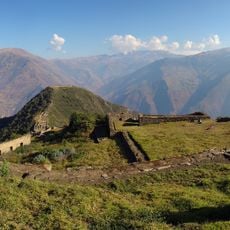
Sayhuite, Archaeological site in Curahuasi District, Peru.
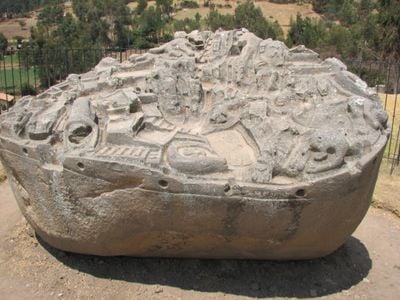
Sayhuite is a stone monument with over 200 animal and geometric shapes carved deeply into granite located on a hilltop. The carvings form an intricate system of channels, basins, and pathways that show the ancient knowledge of managing water and land.
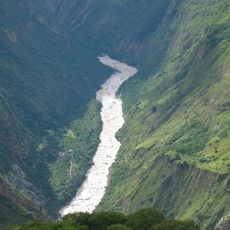
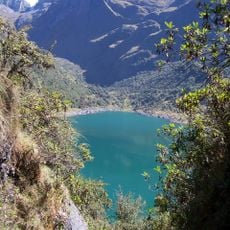
Sayhuite was an Inca ceremonial centre for water worship, and John Hemming cites a colonial narrative describing a temple interior with columns draped in fabrics bearing gold bands "the thickness of one's hand." The temple was tended by the priestess Asarpay, who leapt to her death in the nearby 400-metre gorge rather than be captured by Spanish forces. The monolith's makers remain unidentified.
The name Sayhuite comes from Quechua sayay ('upright') and riti ('ice'). The monolith's upper half holds over 200 carvings of plants, animals, terraces, canals, stairways and ponds. Federico Kauffman Doig linked the carved felines to Qhoa in a fertilizing role and proposed the stone served as a giant paccha for water worship.
The site lies at kilometre 45 of the Abancay–Cusco road, at 3,500 metres above sea level, about three hours from Cusco. The monolith sits atop a hill called Concacha, reached on foot over uneven ground, so sturdy shoes help. Rainwater collects in the carved receptacles, so the figures read best in dry, clear light.
The monolith sits on a hill called Concacha. Its upper face carries terraces, ponds, irrigation canals, pumas and lizards, which archaeologist Gary Urton reads as a possible symbolic map of the valley. Federico Kauffman Doig linked the carved felines to Qhoa and the hollows that catch rainwater to a giant paccha for water worship.
The community of curious travelers
AroundUs brings together thousands of curated places, local tips, and hidden gems, enriched daily by 92,644 contributors worldwide.