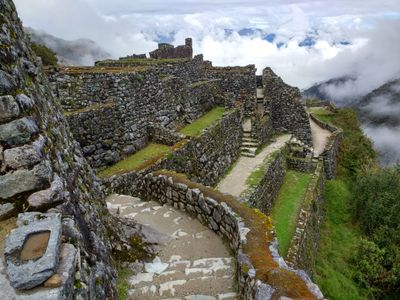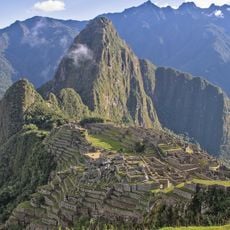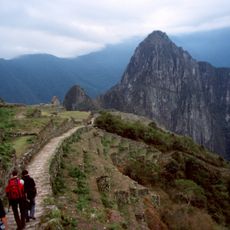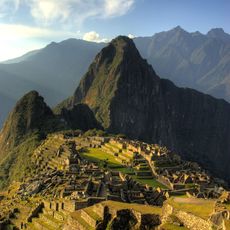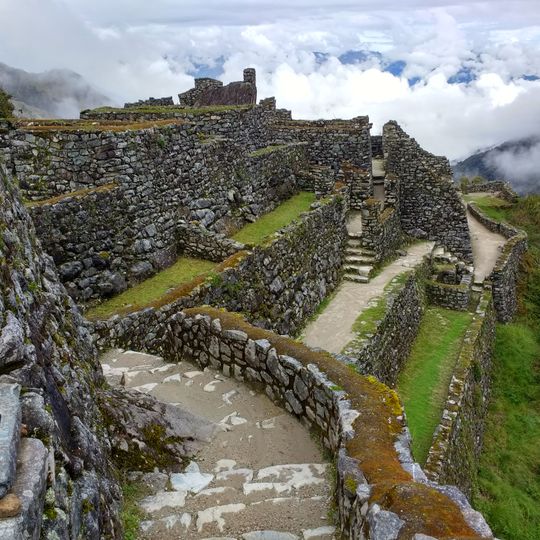
Sayacmarca, Archaeological site along Inca Trail, Cusco Region, Peru
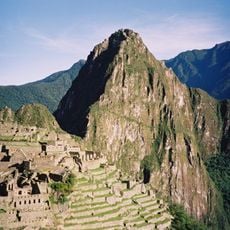
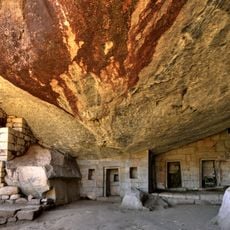
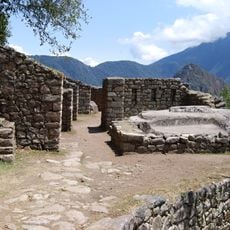
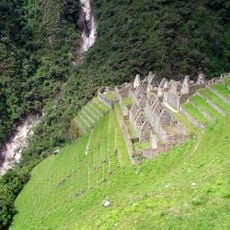
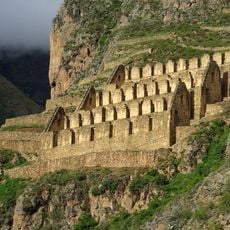
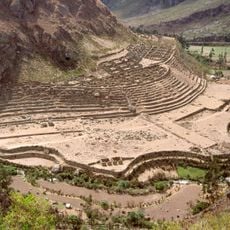
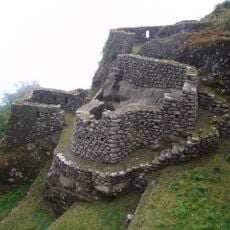
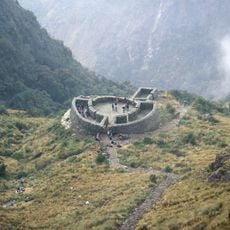
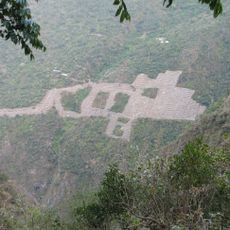
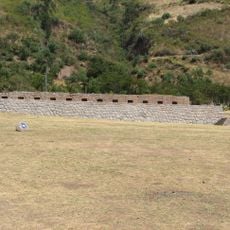
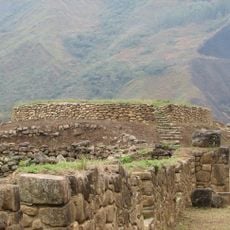
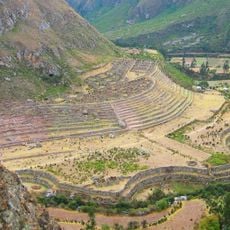
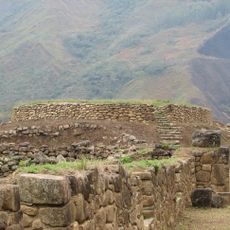
Sayacmarca is an Inca settlement built at 3600 meters altitude featuring plazas, stone pathways, agricultural terraces, and ceremonial zones arranged across steep slopes. The structures spread across different levels and showcase the engineering skill required to build on such challenging terrain.
The site was discovered in 1915 by Hiram Bingham III, who initially called it Cedrobamba after the cedar trees growing there. The name was changed to Sayacmarca in 1941, reflecting a shift toward using the original Quechua designation.
, der Name Sayacmarca kommt aus dem Quechua und bedeutet sinngemäß „Stadt, die man nicht erreichen kann
Access to Sayacmarca is only possible during the four-day Inca Trail trek, with the site typically reached on day two after crossing the Warmiwañusca pass. Visitors should be in good physical condition before arriving, as the elevation and steep terrain demand careful footing.
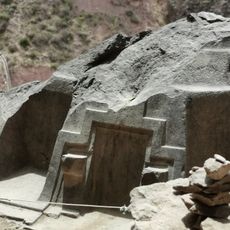
The site contains a sophisticated water channel system that demonstrates how Inca engineers tapped and managed water sources in this mountainous terrain. These hidden channels were essential for sustaining the settlement's population.
The community of curious travelers
AroundUs brings together thousands of curated places, local tips, and hidden gems, enriched daily by 90,986 contributors worldwide.