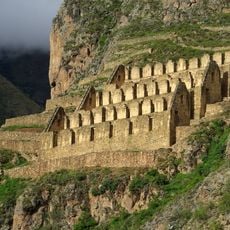
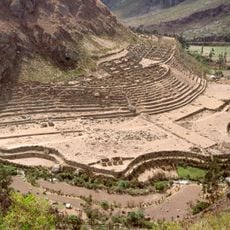
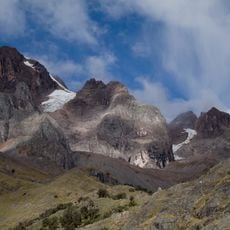
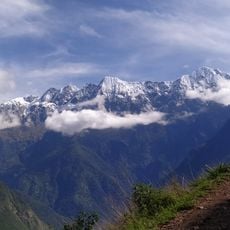
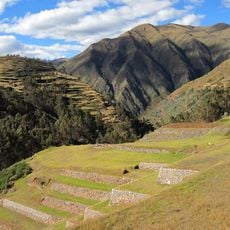
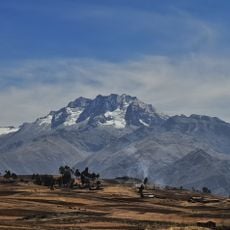
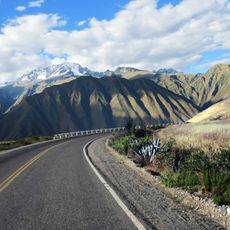
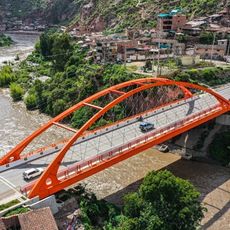
Choquequilla, Pre-Inca archaeological site in Sacred Valley, Peru.
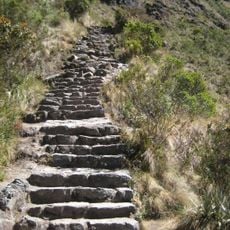
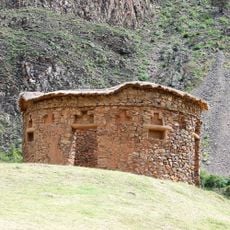
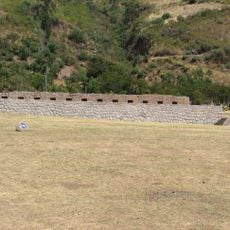
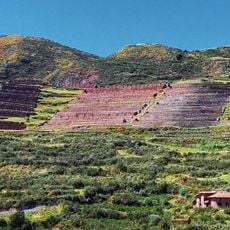
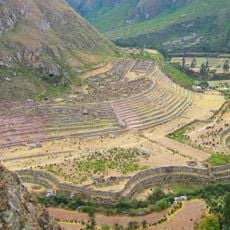
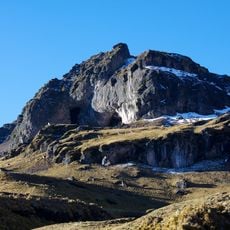
Choquequilla, also called Naupa Iglesia, is a cave at 3,627 m on a mountainside above the Río Huarocondo, reached by a central staircase climbing decayed Inca farming terraces. Its flat stone surfaces form an inverted V, and one rock wall holds a precisely cut false doorway leading nowhere. In front stands a damaged black granite step sculpture, flanked by a wall of two rows of four Tiwanaku-style double-framed niches; a small building with niches, doors and windows lies just north of the cave.
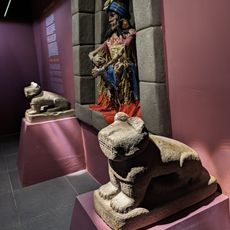
The cave and its black granite stepped sculpture are attributed to the Inca; the sculpture's upper part was later blown off by treasure hunters, and the hole where the charge was placed is still visible. The wall beside it has two rows of four double-framed niches in Tiwanaku style, rare in the Cusco region. César Paternosto questions a Tiwanaku origin, citing the Inca trapezoidal form.
The names combine Quechua ñaupa ("ancient") and waka ("sacred place"), while Choquequilla means "golden moon", pointing to lunar ceremonies. The black granite sculpture is called an altar by Scott C. Smith and a shrine by Steven Gullberg and J. McKim Malville. The site draws esoteric pilgrims today.
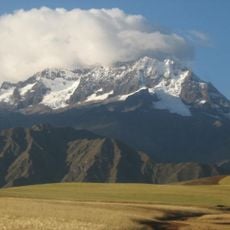
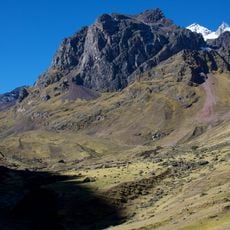
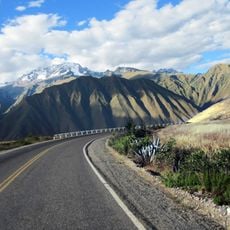
The site is located between Ollantaytambo and Urubamba and is reached by public transportation to Pachar followed by about a 45-minute walk. The path is relatively straightforward but sturdy shoes are needed for uneven ground.
The black granite step sculpture in front of the cave was partly blown apart by treasure hunters; the hole where the explosive charge was placed is still visible above the step symbol. Similar step sculptures stand near cave entrances at Qenko and Sacsayhuamán.
The community of curious travelers
AroundUs brings together thousands of curated places, local tips, and hidden gems, enriched daily by 93,410 contributors worldwide.