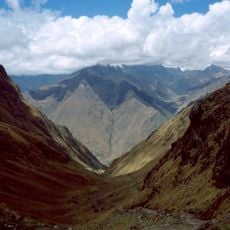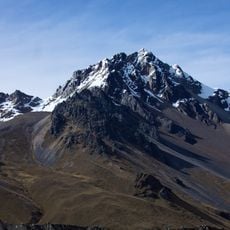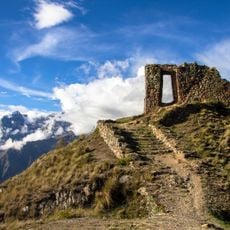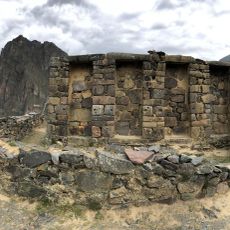
Wamanmarka, Pre-Hispanic archaeological site in Huayopata District, Peru.
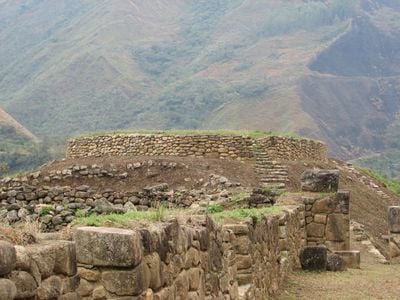
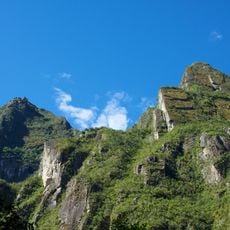
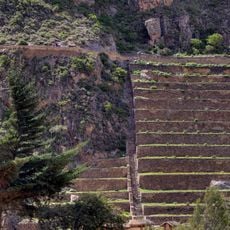
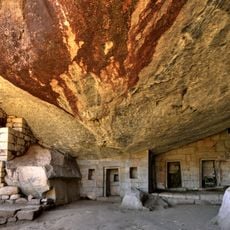
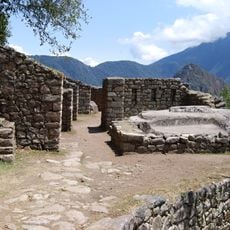
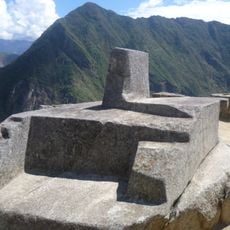
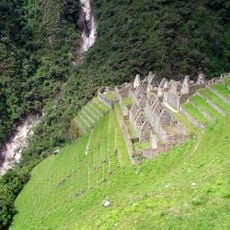
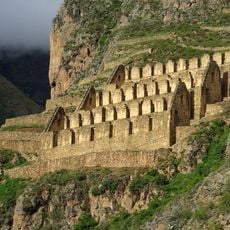
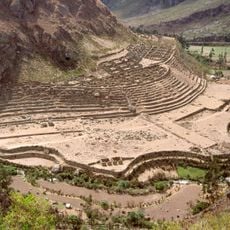
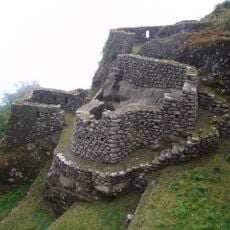
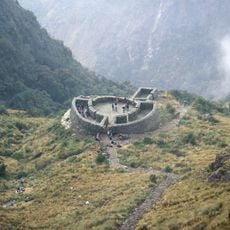
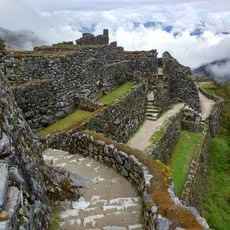
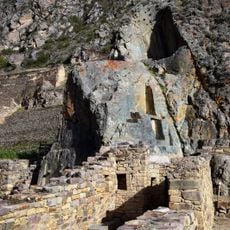
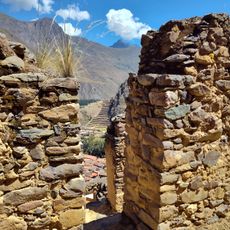
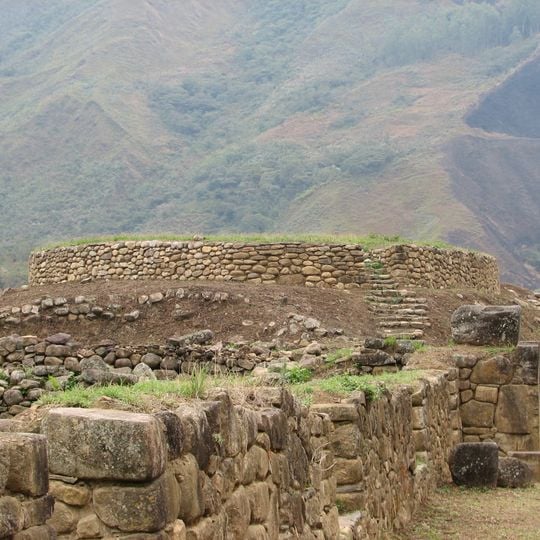
Wamanmarka is an archaeological site in the Andes mountains containing stone structures and agricultural fields built during pre-Hispanic times. The layout reveals how earlier inhabitants organized their settlements and farming systems in this high-altitude mountain environment.
The site was established by Andean inhabitants during pre-Hispanic times and developed across multiple periods. In 1997 it received official recognition as a significant cultural property through a national resolution.
The name Wamanmarka comes from Quechua words: waman means falcon and marka means village, showing how indigenous people named their places after animals and settlements. This naming reflects a direct connection between the landscape, wildlife, and community identity in the Andes.
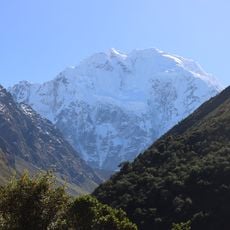
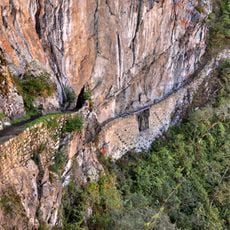
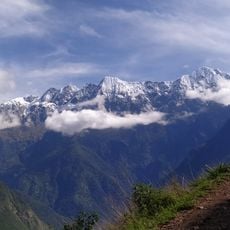
The site sits at high altitude and requires good physical preparation and proper mountain hiking equipment to visit safely. Organized excursions from nearby areas help visitors navigate the terrain and learn about what they are seeing.
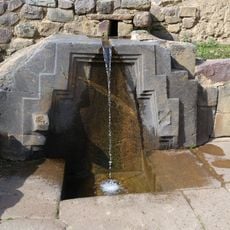
The site contains well-preserved water systems and terrace structures that show how Andean people managed water in mountain highlands. These engineering solutions allowed earlier populations to farm successfully in extreme high-altitude conditions.
The community of curious travelers
AroundUs brings together thousands of curated places, local tips, and hidden gems, enriched daily by 91,255 contributors worldwide.