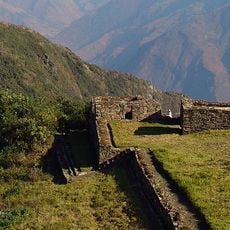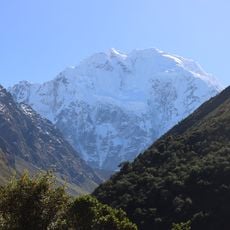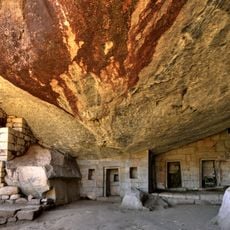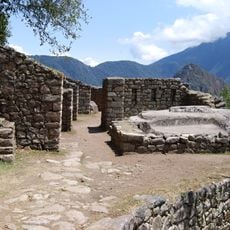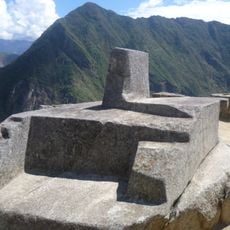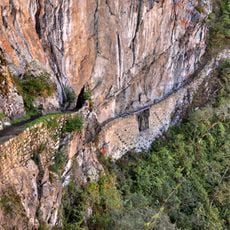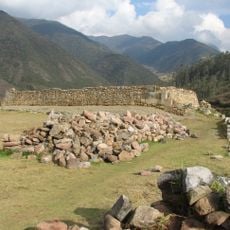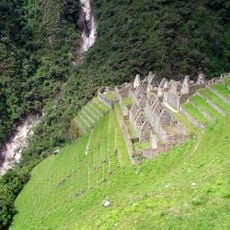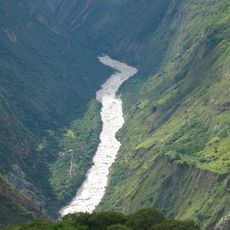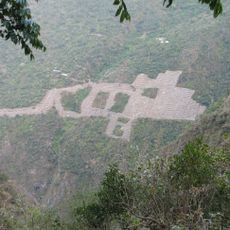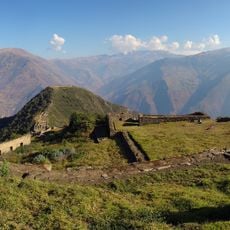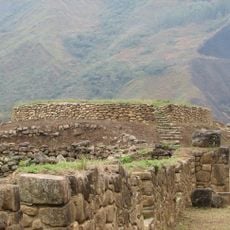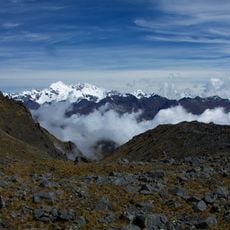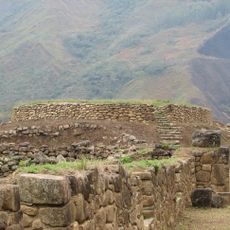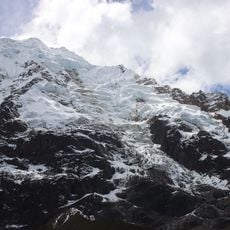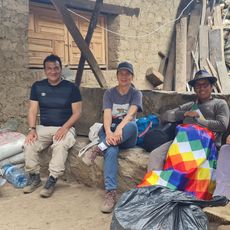
Ñusta Hisp'ana, Archaeological site in Cusco Region, Peru.
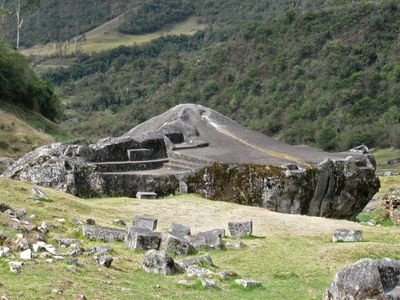
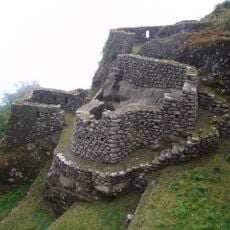
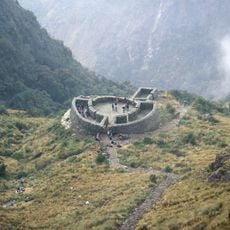
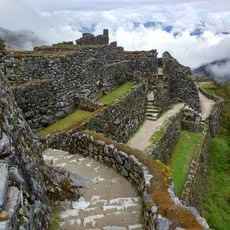
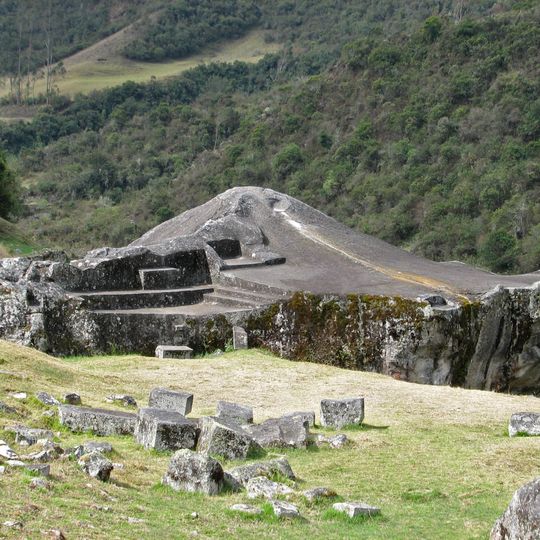
Ñusta Hisp'ana is an archaeological site in Peru's Cusco Region featuring a prominent white rock formation called Yurac Rumi paired with nine stone seats and ritual bathing areas. The site combines natural stone outcroppings with carved elements that served different functions across the location.
The site was documented in 1911 by explorer Hiram Bingham III during his expeditions through the Vilcabamba Valley. Religious conflicts later marked the place, when Augustinian monks destroyed the Temple of the Sun during Titu Cusi's absence.
The name combines the Quechua word 'Ñusta' meaning princess with 'ispana' referring to a basin, reflecting ceremonial uses in Inka traditions. The stone structures here show how this name captured the site's role in Inka ritual practice.
The site is reachable from the village of Huancacalle in La Convención Province and requires preparation for high altitude and rough terrain. Visitors should bring sturdy footwear, water, and consider hiring a local guide since the route is difficult to navigate alone.
The site witnessed the clash between Inka traditions and Spanish colonial rule, visible in the marks of destruction left behind. These remains tell the story of two worlds colliding at this specific location.
The community of curious travelers
AroundUs brings together thousands of curated places, local tips, and hidden gems, enriched daily by 60,000 contributors worldwide.