Kotosh, Archaeological site in Huánuco, Peru
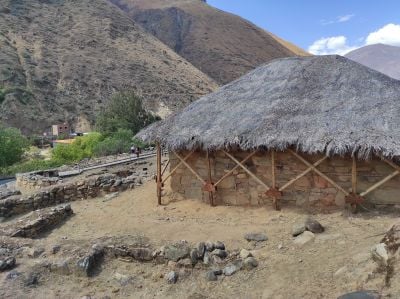
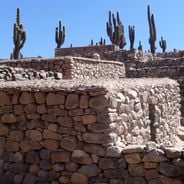
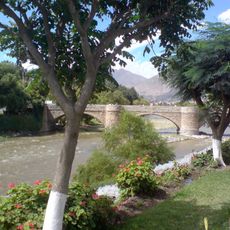
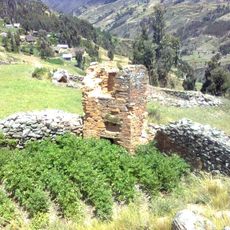
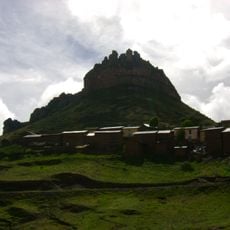
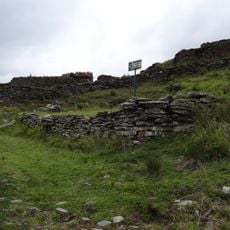
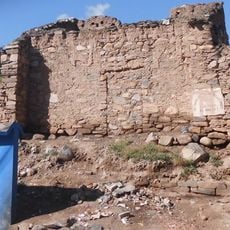
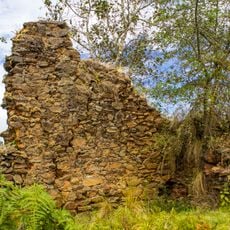
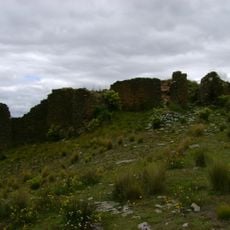
Kotosh is an archaeological site in the Huánuco region of central Peru that consists of several structures. The complex stretches along the Higueras River at roughly 1800 meters above sea level and displays construction from six successive settlement phases.
Japanese archaeologists uncovered the temple structures in the 1960s and traced settlement evidence back to the third millennium before Christ. Over the centuries, different groups built their structures on top of earlier remains.
The temple walls display reliefs of crossed hands that were created for ceremonial purposes by the early inhabitants of this Andean region. These carvings remain visible today and offer insight into how sacred spaces were used in pre-Columbian times.
Kotosh lies 4 km west of Huánuco, on the right bank of the Higueras River, in a small pampa. The Temple of the Crossed Hands is the enclosure currently open to the public. Its entrance was 2.15 m high, and the interior is reached through a sunken floor with a central hearth.
Below the ceremonial chambers run ventilation channels that were used during ritual practices. These underground passages served to channel smoke or scents during animal offerings.
The community of curious travelers
AroundUs brings together thousands of curated places, local tips, and hidden gems, enriched daily by 93,036 contributors worldwide.