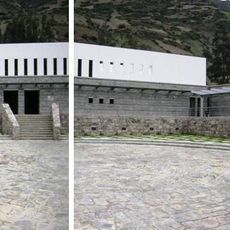
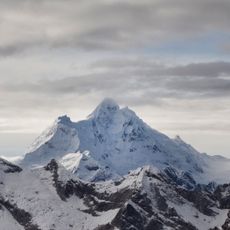
Piruro, Archaeological site in Huamalíes Province, Peru.
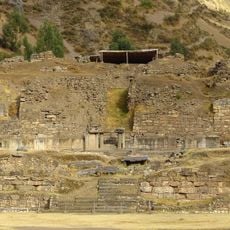
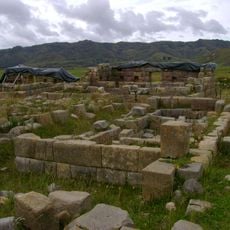
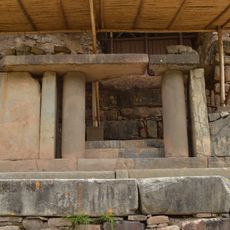
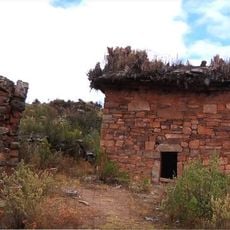
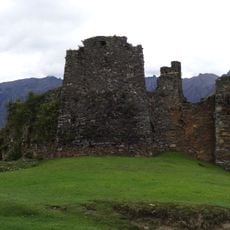
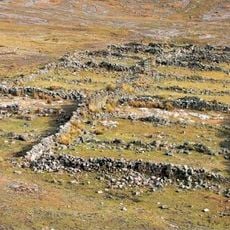
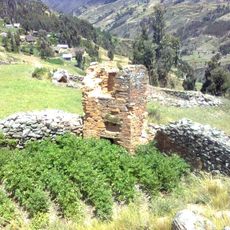
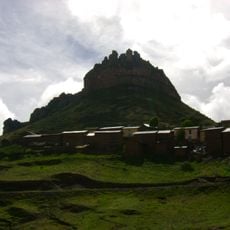
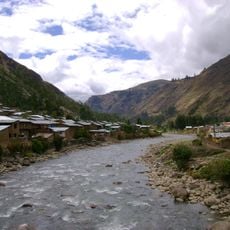
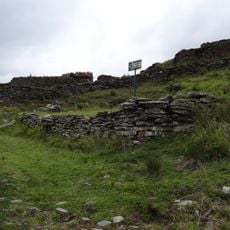
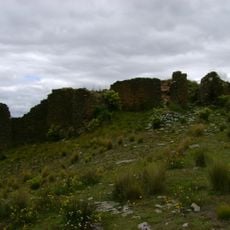
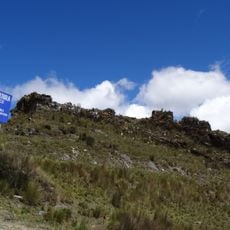
Piruro is an archaeological complex of two parts, Piruro I and Piruro II, on the eastern bank of the Tantamayo River above 3,800 m in Tantamayo District, Huamalíes. Piruro II is a five-story building of squared, uniform hewn stones with rectangular doors and windows on its front, enclosed by stone walls about 1.5 m high with two protruding rectangular doors, beside a 4 m stone tower.
Piruro I and Piruro II were occupied from 3000–2500 BC (Final Preceramic) until the Inca Late Horizon. Bertrand Flornoy explored the site around 1957 and 1975, and Lois Girault excavated there between 1968 and 1970. Carbon dating of her samples placed the fortress between 1930 and 2100 BC, in the pre-ceramic period. Peru declared the site a National Cultural Heritage on 18 June 2002.
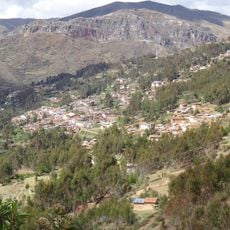
The name Piruro probably comes from the Quechua word phiruru, meaning spindle whorl. The site was declared a National Cultural Heritage by Resolución Directoral No. 533/INC on 18 June 2002. Visitors reach it on foot from the village of Coyllarbamba, about ten minutes from the bridge over the Tantamayo River.
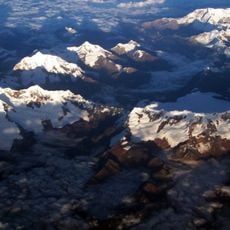
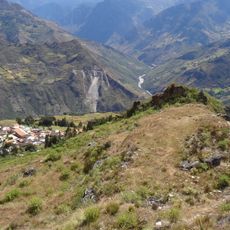
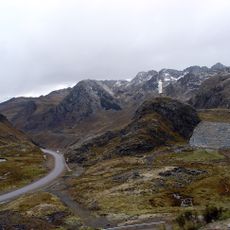
The site sits at high elevation in the mountains, so allow time to acclimatize and bring warm clothing for the thin air. Access requires good hiking shoes and stamina, as you must walk mountain paths to reach the ruins.
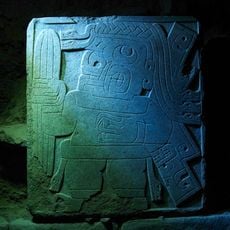
Piruro II was excavated by Lois Girault between 1968 and 1970; carbon dating of her samples placed the fortress between 1930 and 2100 BC, in the pre-ceramic period. Girault noted hewn stones resembling those of Kotosh and walls comparable to Chavin. The site was declared National Cultural Heritage by Resolución Directoral No. 533/INC on 18 June 2002.
The community of curious travelers
AroundUs brings together thousands of curated places, local tips, and hidden gems, enriched daily by 92,640 contributors worldwide.