Chinchey, Mountain summit in Cordillera Blanca, Peru.
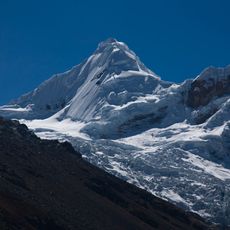
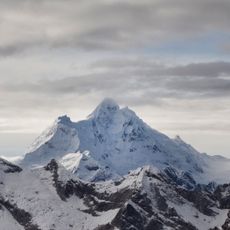
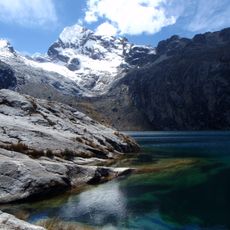
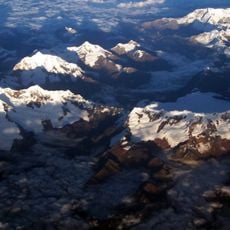
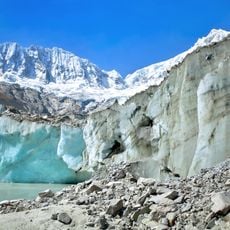
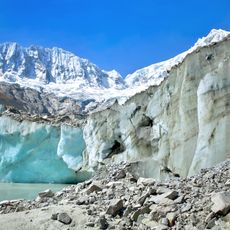
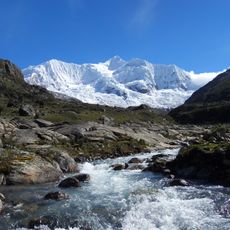
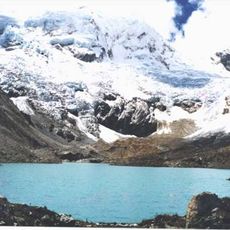
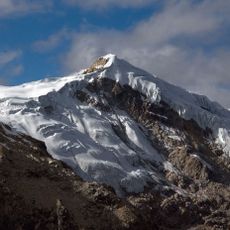
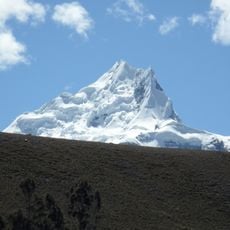
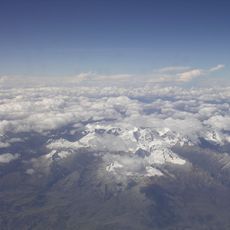
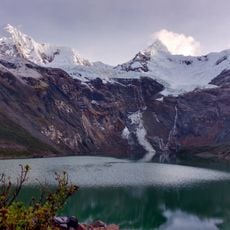
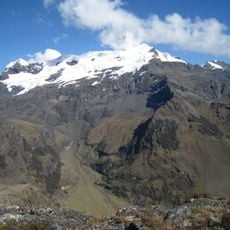
Chinchey is a mountain peak in the Cordillera Blanca that reaches approximately 6300 meters and displays steep flanks with extensive glacial coverage. The summit and surrounding slopes show clear signs of glacial erosion and ice formations across the terrain.
The peak formed millions of years ago through tectonic forces that built the Andes range and continue to shape the landscape. These geological processes have made the mountain part of one of the world's most dynamic mountain systems.
The name Chinchey is traced to the Quechua Ruri Chinchay, from ruri (hidden) and chinchay (small tiger or puma), a comparison locals made because the massif sits concealed and seemingly unreachable. In 1967 a Basque-Navarrese expedition named two previously unnamed north-ridge peaks, Ayucaraju and Utsuraju, after reaching all three summits.
Climbers should plan their ascent during the dry season from May through September when weather patterns are most stable and visibility is clearest. Proper acclimatization and appropriate gear for high-altitude conditions are essential for anyone attempting the climb.
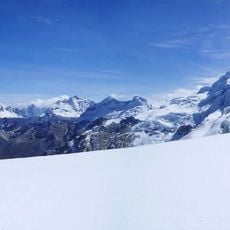
The massif holds 91 km² of glaciers, 17% of all the snow-covered area of the Cordillera Blanca, making it the most glaciated of the range's 14 massifs. Its ice and meltwater reach the far edges of three Ancash provinces: Huaraz, Huari and Carhuaz.
The community of curious travelers
AroundUs brings together thousands of curated places, local tips, and hidden gems, enriched daily by 93,422 contributors worldwide.