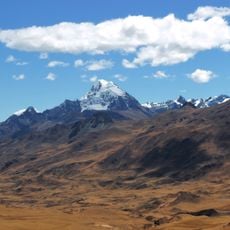
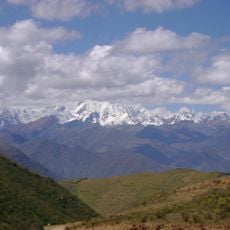
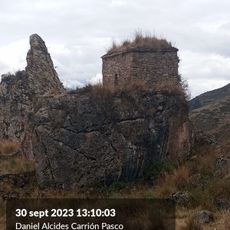
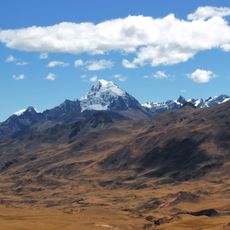
Warawtampu, Archaeological site in Pasco Region, Peru.
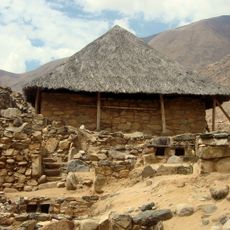
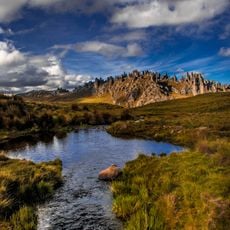
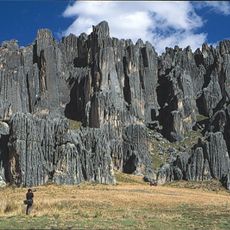
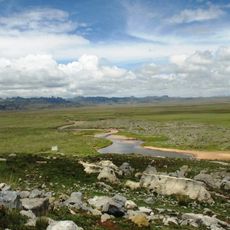
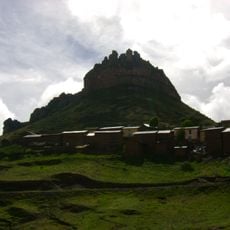
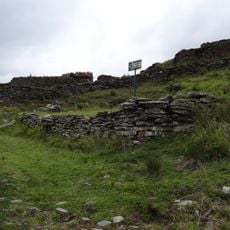
Warawtampu is an archaeological complex with multiple structures including Inkawasi, Warmiwasi, and Phaqcha arranged across a high mountain plateau. The site displays typical Inka-era stonework with constructed foundations and organized spatial arrangements.
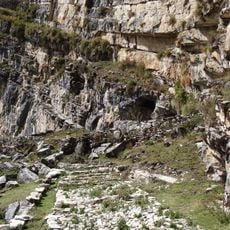
Built between 1460 and 1470 under Pachakuti, the tambo was ordered by general Tupa Yupanqui and raised by Cusco stonemasons with Yacha and Yarush workers from the Chaupiwaranga basin. It stood on the Qhapaq Ñan between Wanuko Marka to the north and Pumpu to the south, serving as a resting and supply post and sanctuary until the Spanish invasion.
The name Warawtampu comes from Quechua words: 'waraw' means high and deep, while 'tampu' refers to a wayside inn. These terms reflect how the location was understood in the ancient language of the region.
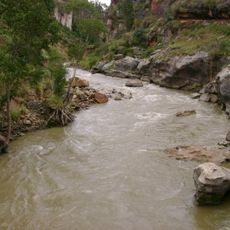
Warawtampu lies about 7 km from Yanahuanca, on the left bank of the Huarautambo River, in the community of the same name; the Astobamba archaeological site is nearby. The Qhapaq Ñan passes through the complex, and only Inkawasi, Warmiwasi and the Paqcha remain easily visible, as most other structures are heavily ruined.
The Phaqcha structure served as a ceremonial altar for water rituals performed according to ancient Andean traditions. This feature reveals the sacred importance of water in the religious practices of mountain communities.
The community of curious travelers
AroundUs brings together thousands of curated places, local tips, and hidden gems, enriched daily by 93,034 contributors worldwide.