Homme de Lauricocha, Archaeological site in Lauricocha Province, Peru.
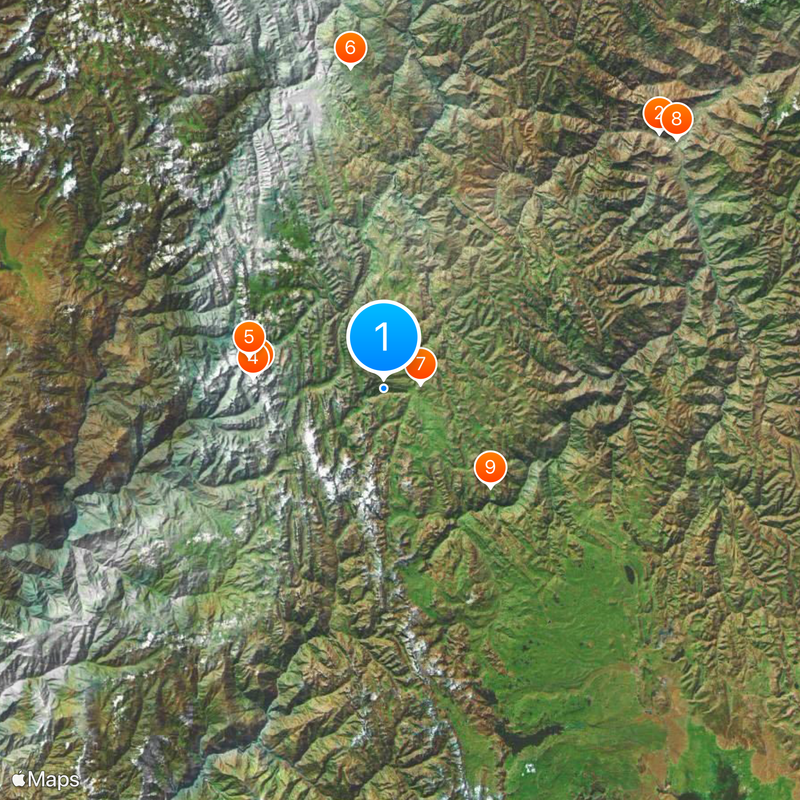
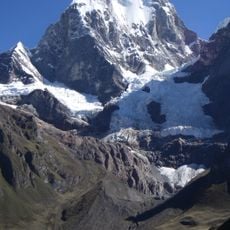
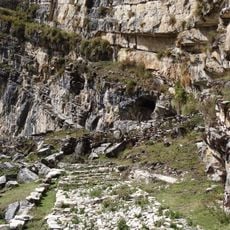
Hombre de Lauricocha is an archaeological site containing a network of caves situated at 3900 meters altitude in the central Andes mountains of Peru. The location comprises eight stratigraphic layers, with six showing evidence of human occupation from lithic periods through colonial times.
Archaeologist Augusto Cardich discovered eleven human skeletons during excavations between 1958 and 1960, including remains of four adults and seven children. These finds documented for the first time the long settlement history of high Andean regions.
The burial sites reveal different funeral practices between adults and children, with children's tombs containing special offerings and ceremonial elements. This differentiation remains visible today through the preserved archaeological finds.
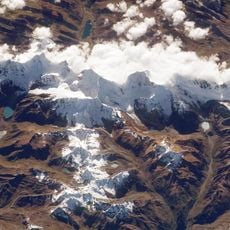
Access requires altitude adjustment due to thin air at nearly 4000 meters, so visitors should plan adequate time for acclimatization. The caves sit in remote terrain with limited infrastructure in the surrounding area.
Analysis of skeletal remains from the caves provided the first direct evidence of human presence in high-altitude Andean environments. Dating of the remains helped reconstruct early migration patterns and adaptations to extreme elevations.
The community of curious travelers
AroundUs brings together thousands of curated places, local tips, and hidden gems, enriched daily by 92,052 contributors worldwide.