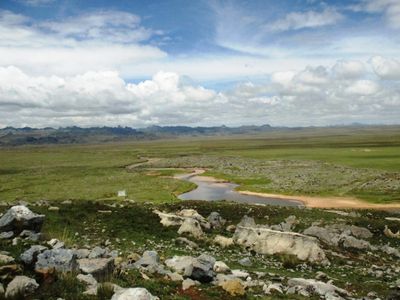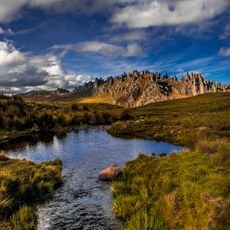
Pumpu, Archaeological site in central highlands, Peru
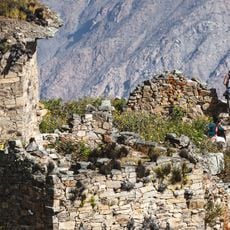
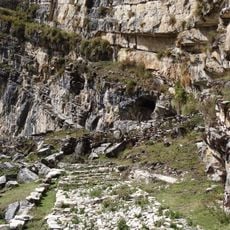
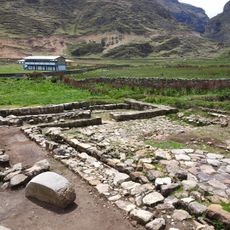
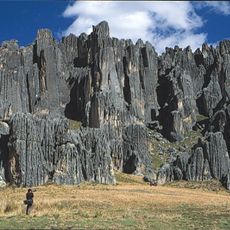
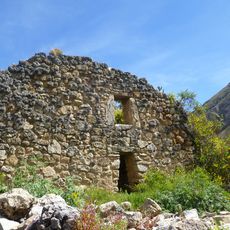
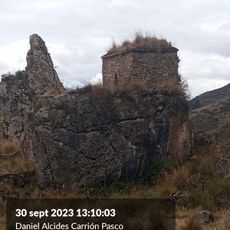
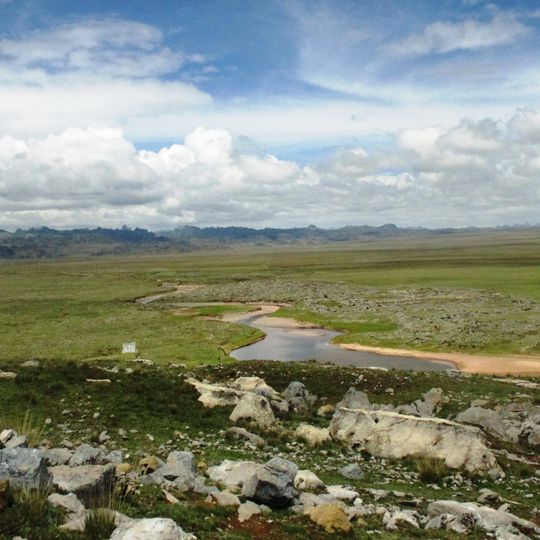
Pumpu is an archaeological site in Peru's central highlands with structures built during pre-Hispanic times. The buildings were designed for administrative tasks and managing herds of llamas and alpacas that roamed the mountains.
The site developed during the Inca period as a major administrative hub for the Tawantinsuyu empire. It served as a key center for managing and distributing resources across the highland region.
The site reveals how camelid herding shaped daily life and work for the people who lived here. Archaeological findings show evidence of meat processing and textile production that were central to their economy and survival.
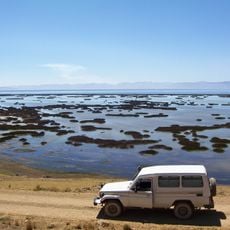
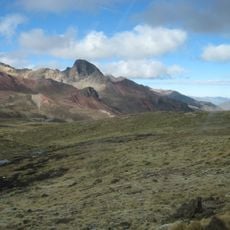
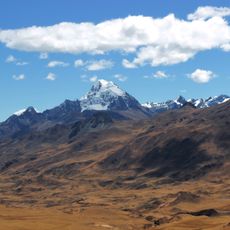
The site sits in a remote location and requires advance planning to arrange your own transportation. Bring food, water, and gear since there are no facilities or services available at the location.
Excavations uncovered large quantities of llama bone remains scattered throughout the site, revealing the true focus of daily activity here. The sheer volume of these finds suggests animal herding was far more central to daily life than administrative work.
The community of curious travelers
AroundUs brings together thousands of curated places, local tips, and hidden gems, enriched daily by 60,000 contributors worldwide.