Cochasquí, Archaeological site in Tocachi, Ecuador
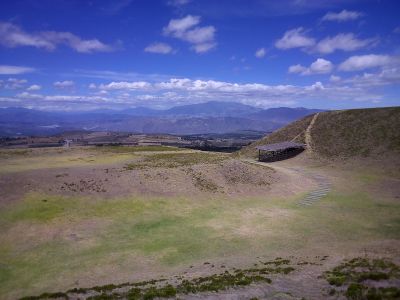
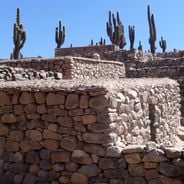
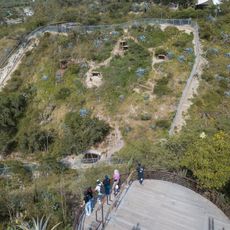
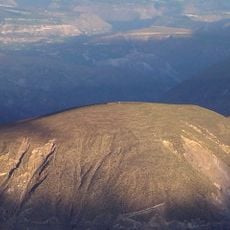
Cochasquí is an archaeological site near Tocachi, Ecuador, sprawling across roughly 80 hectares with fifteen pyramids and twenty-one funeral mounds built into the landscape. Several on-site museums display ancient artifacts and architectural remains found throughout the complex.
Human occupation of Cochasquí began around 950 AD (Cochasquí I phase), without pyramids. From about 1250 to 1550 AD the Caranqui culture built the truncated pyramids and mounds in the Cochasquí II phase, some enlarged over earlier ones. Late in the pre-Hispanic period the Incas conquered the region and made Cochasquí a tambo; Inca pottery has been found there.
The site served as a major ceremonial center where pre-Hispanic communities performed rituals and honored their dead. The layout of pyramids and mounds reflects how these people organized their spiritual life and beliefs about the afterlife.
The site sits at high elevation, and visitors should take time to explore the different museums to understand artifacts and their context. Guided tours help visitors make sense of how the pyramids and mounds are arranged across the landscape.
In 1932 the German archaeologist Max Uhle, then 76, directed the first excavation here, funded by Jacinto Jijón y Caamaño; it was the last site he dug in Ecuador. Pyramid G had already been badly damaged by looters, and the large hole they left is still visible.
The community of curious travelers
AroundUs brings together thousands of curated places, local tips, and hidden gems, enriched daily by 92,651 contributors worldwide.