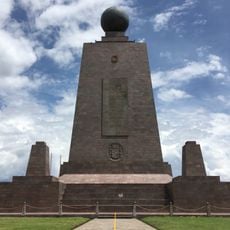
Catequilla, Archaeological site in San Antonio de Pichincha, Ecuador
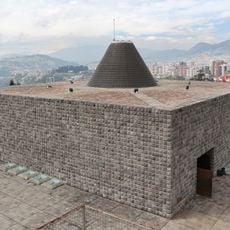
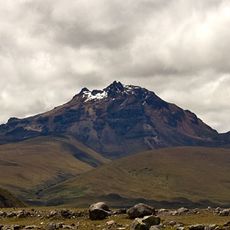
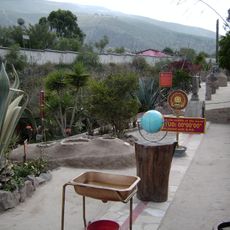
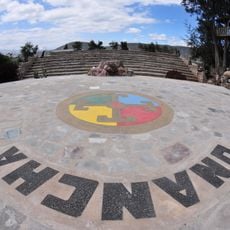
Catequilla is an archaeological site on a mountaintop in the Pomasqui Valley, San Antonio parish, at 2,638 metres (8,655 ft), about 300 metres above the valleys on either side. It consists of a semicircular stone wall 107 metres long with a diameter of 68 metres, and in the northwest a lithic disk 8 metres in diameter built of stone masonry in three lines of stones.
The site was built by pre-Incan cultures as an astronomical observation point, showing sophisticated knowledge of how the sky moves and changes. Later, the Inca also recognized its importance and incorporated it into their own practices.
The name Catequilla is linked to a Quechua phrase interpreted as "follower of the moon," but Spanish sources also connect it to jatiquilla, meaning "following the moon" in Barbacoan languages, and to a water reed called catequilla. The site was used for astronomical observation and as a ceremonial lookout before the Inca arrived.
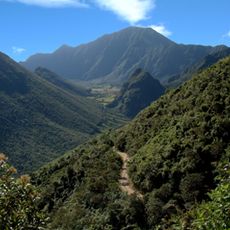
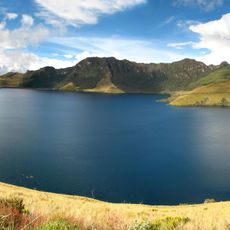
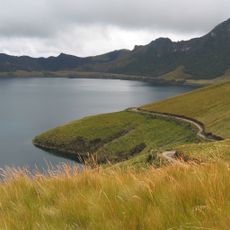
The site sits on a hilltop with wide views and is relatively easy to reach, though sturdy shoes are necessary due to uneven ground. The best time to visit is early morning when the light is clear and you can see the surrounding landscape fully.
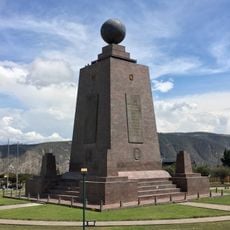
Catequilla is the only pre-Hispanic site in the Americas lying precisely on the Earth's equator. The Inca fortress of Rumicucho stands about 1,550 metres to the north, and the two sites are often visited together from San Antonio de Pichincha.
The community of curious travelers
AroundUs brings together thousands of curated places, local tips, and hidden gems, enriched daily by 93,577 contributors worldwide.