Museo Solar Intiñán, Interactive equatorial museum in San Antonio de Pichincha, Ecuador
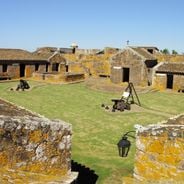
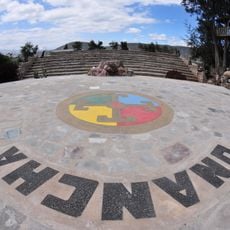
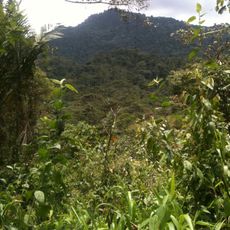
Museo Solar Intiñán stands in San Antonio de Pichincha, 200 m from Ciudad Mitad del Mundo, on the outskirts of Quito. Built in 1989 around two century-old huts, it holds two houses recreating traditional objects and a totemic forest. Its didactic exhibits, such as the Coriolis effect and balancing an egg on a nail head, are demonstrations, not scientific measurements.
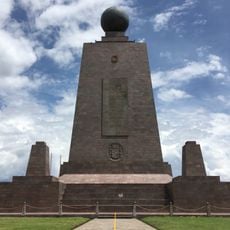
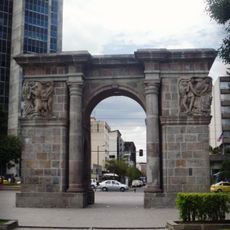
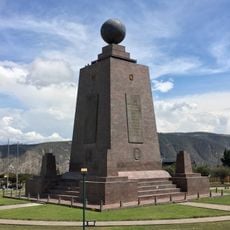
The site opened in 1989 around two century-old huts, as a way to keep alive the culture of the equatorial peoples and the Lulumbamba. Its director's father, journalist and teacher Humberto Vera, studied the Quitu Caras, the first astronomers of America, and proposed and painted the red equatorial line on the monument built at San Antonio de Pichincha in 1936. Those documents can be consulted at the museum by prior appointment.
The name joins Quechua inti (sun) and ñan (path), "path of the sun". The site grew around two century-old huts and a totemic forest, and displays recreate costumbrista objects of the Lulumbamba and equinoctial peoples. The director's father, journalist and teacher Humberto Vera, researched the Quitu Caras, the region's early astronomers, and painted the red equatorial line on the 1936 monument at San Antonio de Pichincha; his documents can be consulted at the museum by appointment.
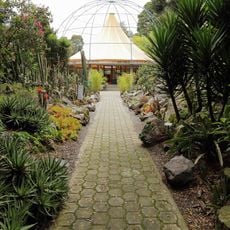
The museum sits 200 metres from Ciudad Mitad del Mundo in San Antonio de Pichincha, on the outskirts of Quito. The two traditional houses and the totemic forest are visited on foot, and the didactic demonstrations are led by staff. Documents on the Quitu Caras research can be consulted on site by prior appointment.
The museum's hands-on stations, such as balancing an egg on a nail head or the Coriolis demonstration, are didactic examples meant to let visitors feel what it is like to stand on latitude zero; the museum itself presents them as such rather than as rigorous physics. The site also keeps documents on Humberto Vera, the journalist and teacher who proposed and painted the red equatorial line on the 1936 monument at San Antonio de Pichincha, which can be consulted on site by prior appointment.
The community of curious travelers
AroundUs brings together thousands of curated places, local tips, and hidden gems, enriched daily by 92,741 contributors worldwide.