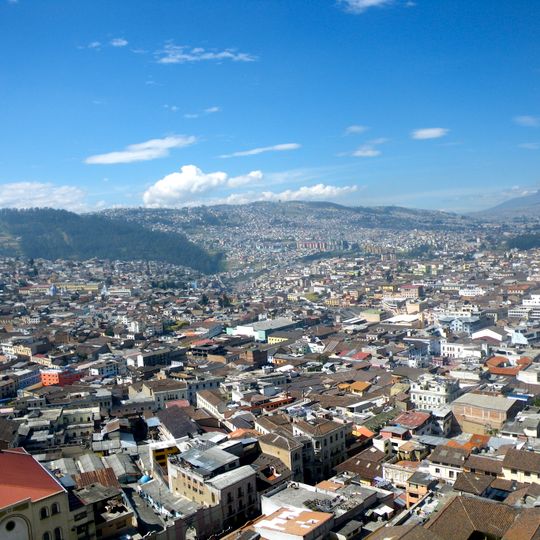
Quito, Capital city in Andean valley, Ecuador
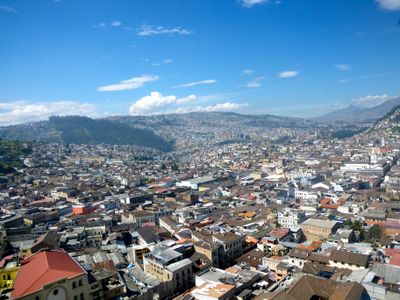
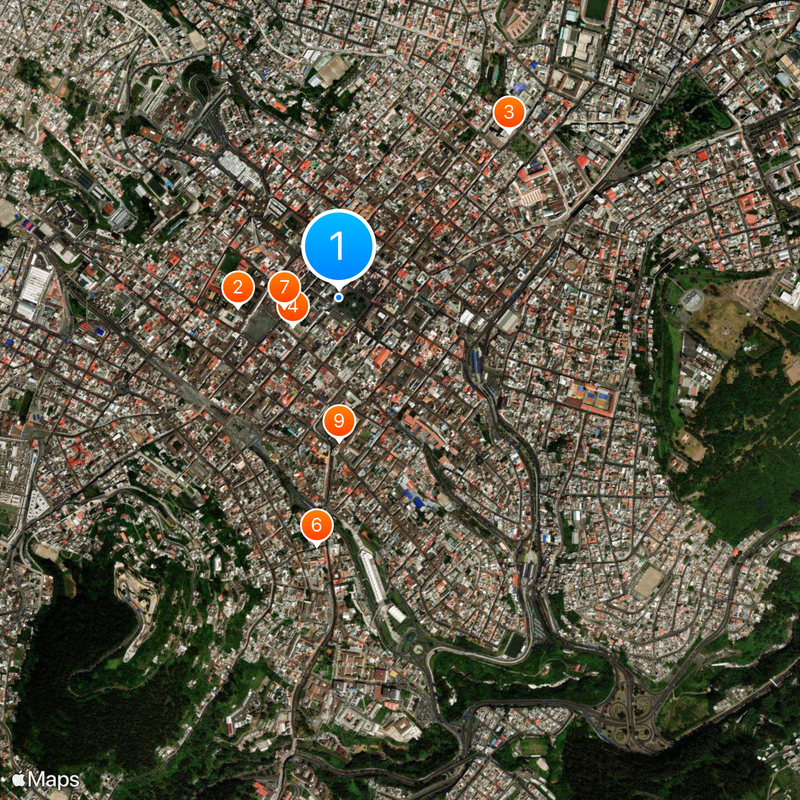
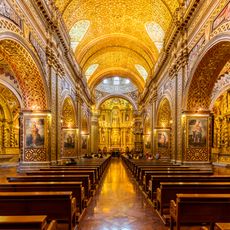
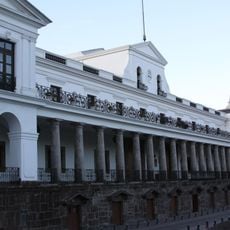
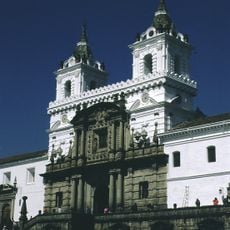
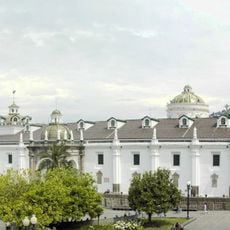
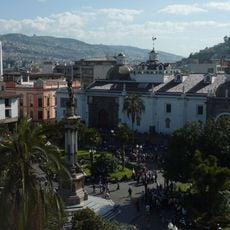
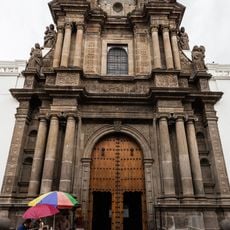
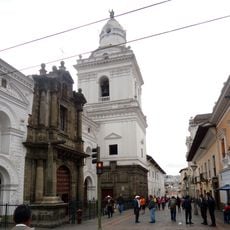
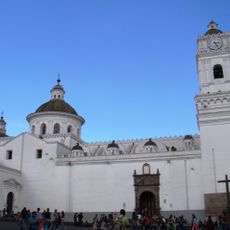
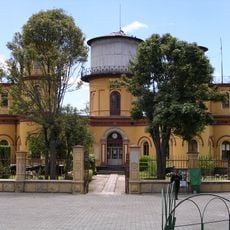
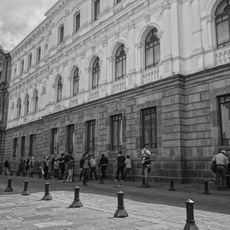
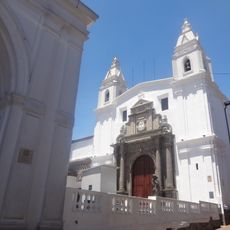
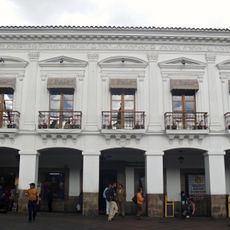
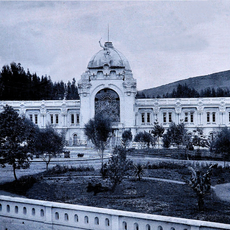
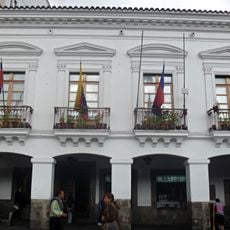
Quito stretches through a narrow valley at 2,850 meters (9,350 feet) elevation, surrounded by the eastern slopes of Pichincha volcano in the Andes. The urban area divides into two main zones: the historic center with its narrow streets and colonial buildings, and the modern northern district with office towers and residential complexes.
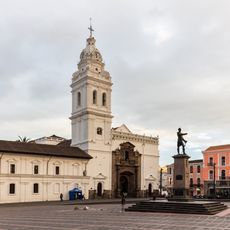
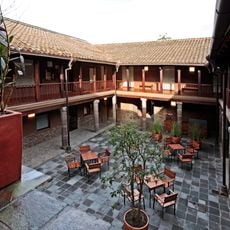
Sebastián de Belalcázar founded the settlement on December 6, 1534, on the ruins of an Inca site that had served as an important trading post. Three centuries of Spanish rule shaped the architecture and urban layout before independence came in 1822.
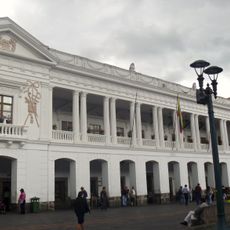
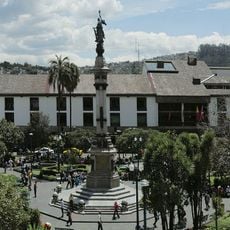
Daily life revolves around large public squares where people gather for conversation, street vendors sell their goods, and local festivals take place. Sunday markets draw families who sample traditional foods and purchase handcrafted textiles.
The metro system that opened in December 2023 connects southern neighborhoods to the north, making it easier to travel through the long, narrow city. Buses and trolleybuses supplement the network and reach hillside neighborhoods that sit higher than the center.
The city shared with Kraków the recognition in 1978 as one of the first sites named to the World Heritage list by UNESCO. Another distinction lies in its proximity to the equator, with the middle line running just 25 kilometers (16 miles) north of the city center.
The community of curious travelers
AroundUs brings together thousands of curated places, local tips, and hidden gems, enriched daily by 92,113 contributors worldwide.