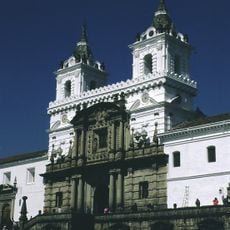
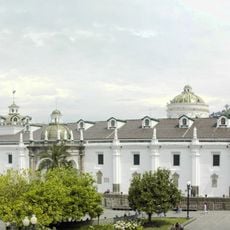
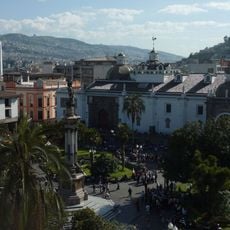
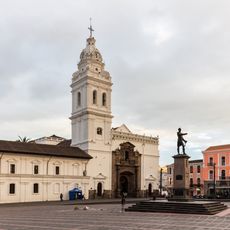
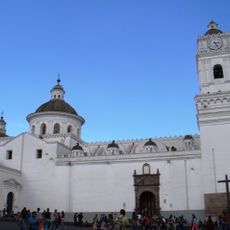
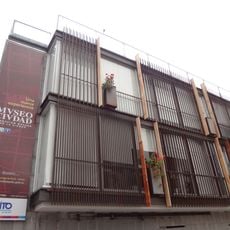
Alberto Mena Caamaño Museum, History museum in the historic center of Quito, Ecuador.
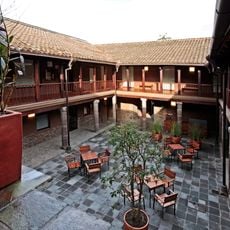
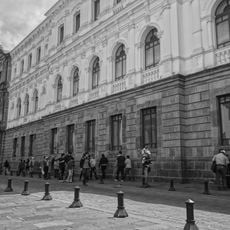
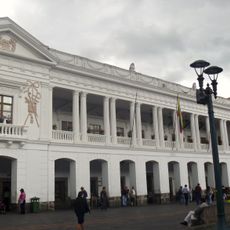
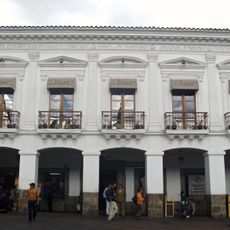
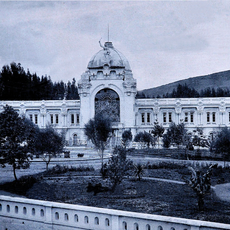
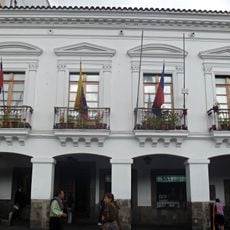
The Alberto Mena Caamaño Museum occupies a former barracks building in downtown Quito and displays paintings, sculptures, archaeological objects, and historical artifacts. The structure contains several exhibition halls where both rotating shows and permanent displays are presented throughout the year.
The institution was founded in the late 1950s after a significant donation formed the basis of its collection. The building itself comes from an earlier period as a military facility and was later adapted to serve as an art and history repository.
The wax-figure hall added in 1970 recreates the massacre of 2 August 1810, when royalist troops killed some 200 citizens who tried to free the patriot prisoners held in the building. Francisco Barbieri modelled the figures on César Villacrés's painting "El sacrificio de Quiroga", and the display earned the museum its popular name, the Wax Museum.
Visitors can explore the exhibitions at their own pace while moving through the various rooms that are accessible on foot. The site includes an auditorium where cultural performances and events take place throughout the year.
The building's basement held the dungeons of the Presidio del Real de Lima, cold and unsanitary cells where the criollo Eugenio de Santa Cruz y Espejo was confined several times for spreading revolutionary ideas through the Escuela de la Concordia.
The community of curious travelers
AroundUs brings together thousands of curated places, local tips, and hidden gems, enriched daily by 94,434 contributors worldwide.