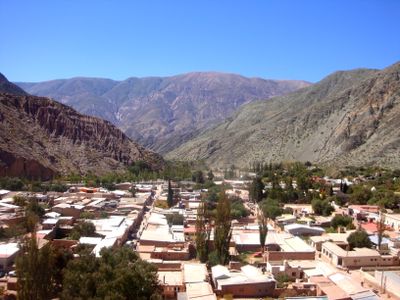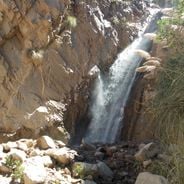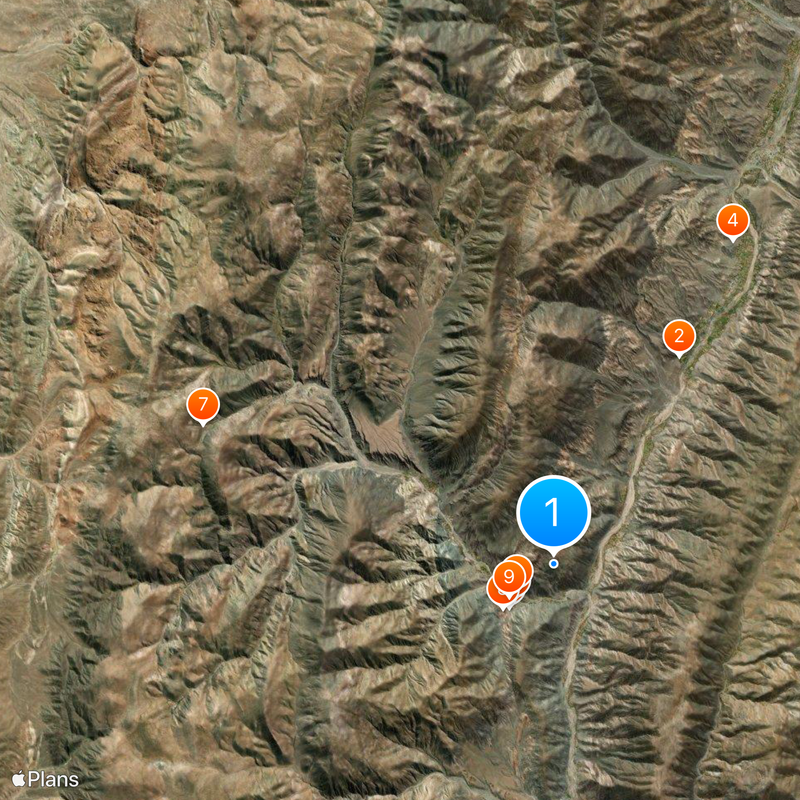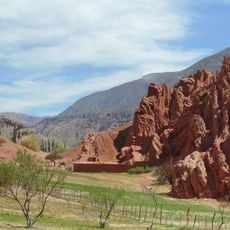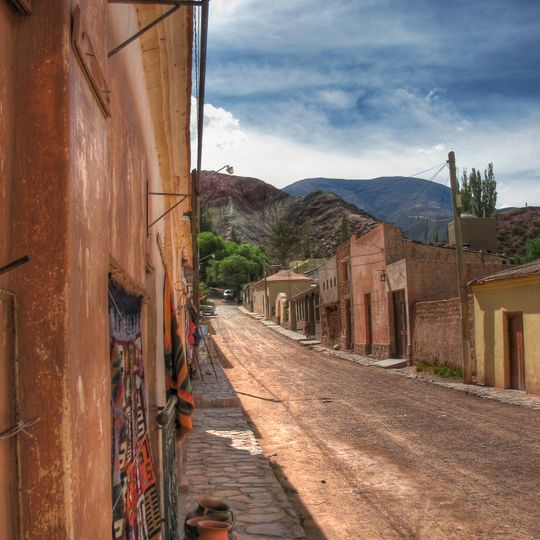
Purmamarca, Mountain village in Tumbaya Department, Argentina.
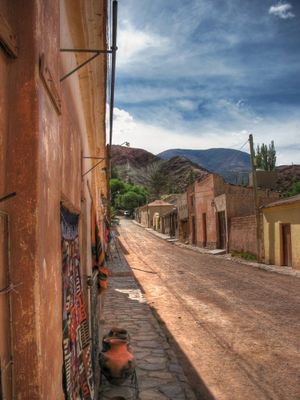
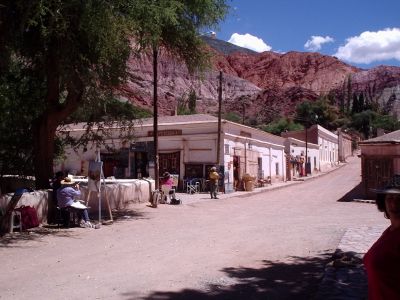
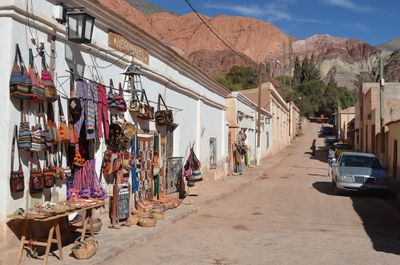
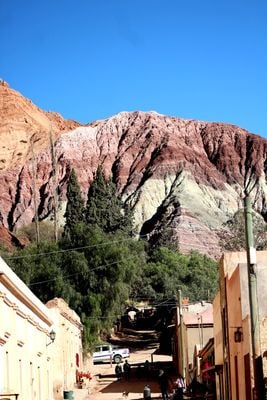
The streets of Purmamarca contain traditional adobe houses with cactus wood beams and red dirt roads surrounding a central square.
The village originated in the 16th century as a settlement along the Inca Trail, serving as a connection point between different regions.
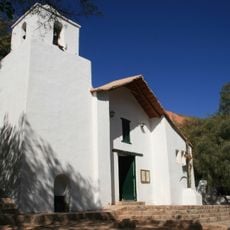
The Santa Rosa de Lima Church from 1648 exhibits original Cuzco School paintings that reflect the colonial religious influence in the region.
The morning hours provide the best lighting conditions to observe and photograph the mineral colors of the surrounding mountains.
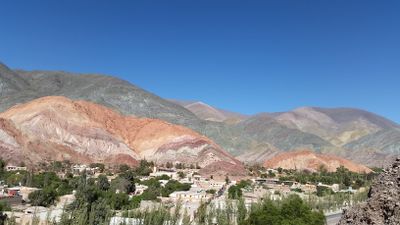
The Cerro de los Siete Colores displays natural layers of sediment containing minerals that create distinct bands of red, yellow, green and purple.
Location: Tumbaya Department
Elevation above the sea: 2,324 m
GPS coordinates: -23.73333,-65.48333
Latest update: May 26, 2025 21:06
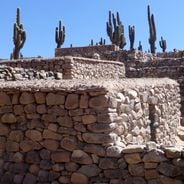
The Argentine landscape offers far more than its well-known urban centers. In the northwest, geological formations like Quebrada de las Conchas with its red sandstone cliffs and Talampaya National Park with its eroded canyons draw visitors. Quebrada de Humahuaca displays layers from millions of years of geological history, while Purmamarca sits at the base of the multicolored Cerro de los Siete Colores. Further north, Antofagasta de la Sierra allows access to high-altitude deserts and salt lakes. The Andes shape western Argentina with varied landscapes. The Uspallata Valley serves as a passage between Mendoza and Chile. In Patagonia, the granite spires of Monte Fitz Roy rise above glaciated valleys, while Los Alerces National Park protects ancient alerce trees and crystalline lakes. Villa Traful and Nahuel Huapi National Park show the Patagonian lake district with forested shores and volcanic peaks. Archaeological sites and nature reserves complete these remote destinations. Cueva de las Manos preserves prehistoric rock art from more than 9,000 years ago. The Ruinas de Quilmes mark a pre-Columbian settlement in the Andes. Bosques Petrificados de Jaramillo contains fossilized araucaria trees from the Jurassic period. The Esteros del Iberá form one of South America's largest wetlands, home to caimans, capybaras and over 350 bird species. La Cumbrecita offers hiking trails through alpine forests in the Sierras de Córdoba, while Gaiman preserves the Welsh colonial history of Patagonia.
Quebrada de Humahuaca
61 km
Tren a las Nubes
116.4 km
Pucará de Tilcara
18.1 km
Calilegua National Park
66.6 km
Polvorilla viaduct
107.6 km
Monument to the Heroes of Independence
60.5 km
Reserva de biosfera de Yungas
95.4 km
Tastil
93.4 km
Palacio de Gobierno de Jujuy
53.8 km
Catedral Basílica de San Salvador de Jujuy (Cathedral Basilica of the Holy Saviour)
53.7 km
Cerro Tuzgle
107.5 km
Large Latin American Millimeter Array
113 km
Q&U Bolometric Interferometer for Cosmology
113 km
Cabildo de Humahuaca
60.5 km
Finca Castañares
111.5 km
Capilla de la Inmaculada Concepción
36.1 km
Anfiteatro Eduardo Falú
116.5 km
Campo de San Lorenzo
109.4 km
Paseo de los Colorados
2.6 km
Humahuaca Cathedral
60.5 km
Biblioteca Popular José Ingenieros
90.8 km
Cabildo de la ciudad de San Salvador de Jujuy
53.6 km
Capilla de Tilcara
19.8 km
Iglesia y Convento San Francisco
53.6 km
Capilla de Purmamarca
2.2 km
Museo De Bellas Artesfundación Hugo Irureta
19.6 km
Iglesia de Susques
97.6 km
Garganta Del Diablo
19.1 kmReviews
Visited this place? Tap the stars to rate it and share your experience / photos with the community! Try now! You can cancel it anytime.
Discover hidden gems everywhere you go!
From secret cafés to breathtaking viewpoints, skip the crowded tourist spots and find places that match your style. Our app makes it easy with voice search, smart filtering, route optimization, and insider tips from travelers worldwide. Download now for the complete mobile experience.
A unique approach to discovering new places❞
— Le Figaro
All the places worth exploring❞
— France Info
A tailor-made excursion in just a few clicks❞
— 20 Minutes