Pisac District, district in Cusco, Peru
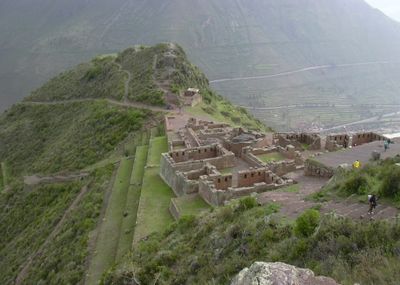
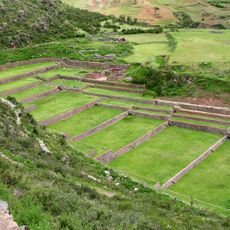
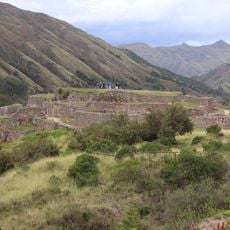
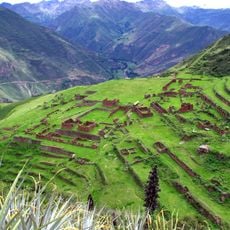
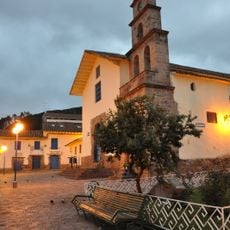
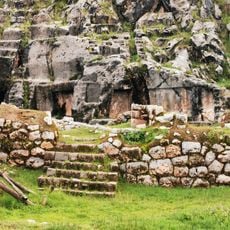
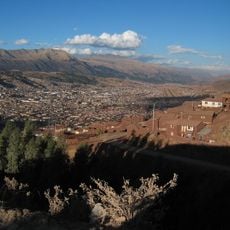
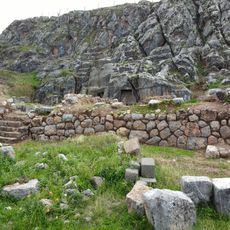
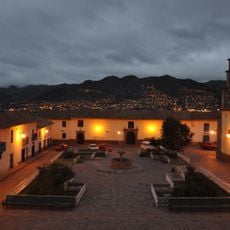
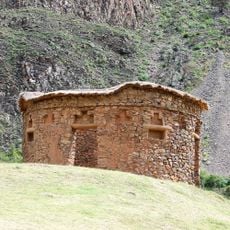
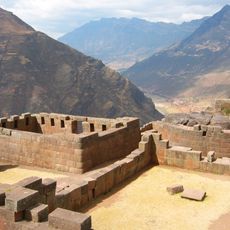
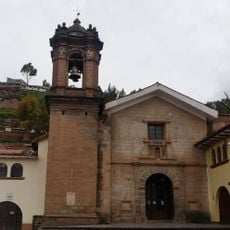
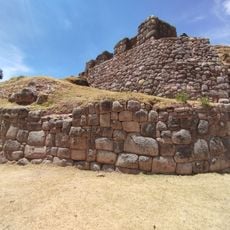
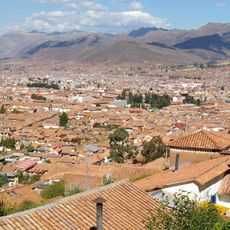
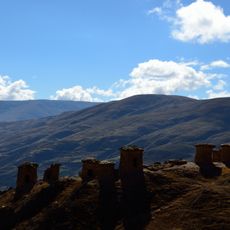
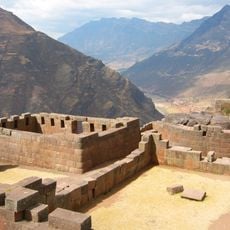
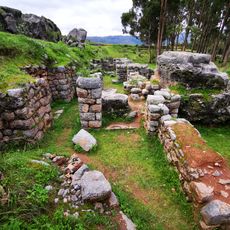
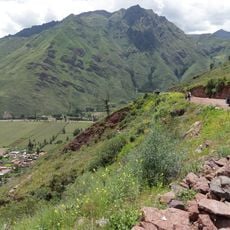
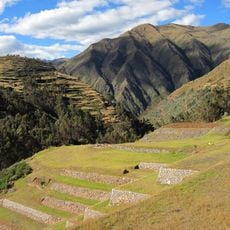
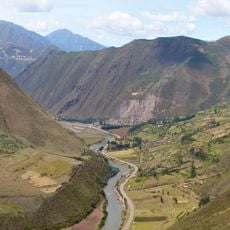
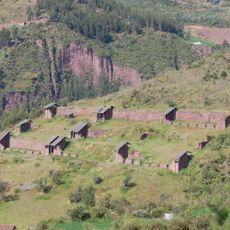
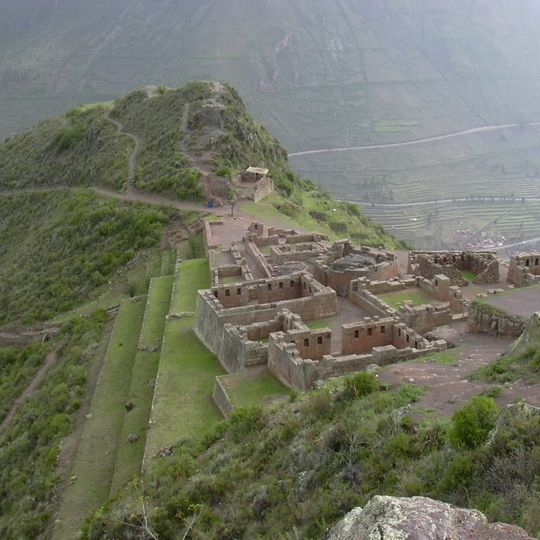
Pisac is an administrative district in Peru sitting high in the Andes, with a small town featuring colonial buildings and a lively market surrounded by high mountains. Above the town sits a large archaeological complex built by the Incas, containing temples, residential areas, stone staircases, and extensive agricultural terraces carved into the mountainside.
The area around Pisac has been settled since ancient times, and during the Inca period it became an important center for administration, military affairs, and farming with extensive terraces and irrigation channels. After Spanish conquest, some Inca ruins were destroyed or hidden, but the population relocated to a new town at the base of the mountain where colonial and indigenous traditions became interwoven.
The name Pisac comes from Quechua and means partridge, a bird found throughout the region. The Quechua language remains spoken by many residents today and stays alive through festivals and daily conversation.
Pisac is located about one hour from Cusco and can be reached by bus, shared taxi, or organized transfer, making it accessible for day trips. The town is compact and easy to explore on foot, while the archaeological site can be visited by local taxi or hiking paths that connect to the main structures.
According to local legend, a princess named Inquill turned to stone while watching her lover drown in the river, a story that shapes the cultural identity of the place to this day. The mountain itself has a distinctive shape said to resemble the silhouette of a partridge, strengthening the historical connection between the place's name and the natural landscape.
The community of curious travelers
AroundUs brings together thousands of curated places, local tips, and hidden gems, enriched daily by 90,787 contributors worldwide.