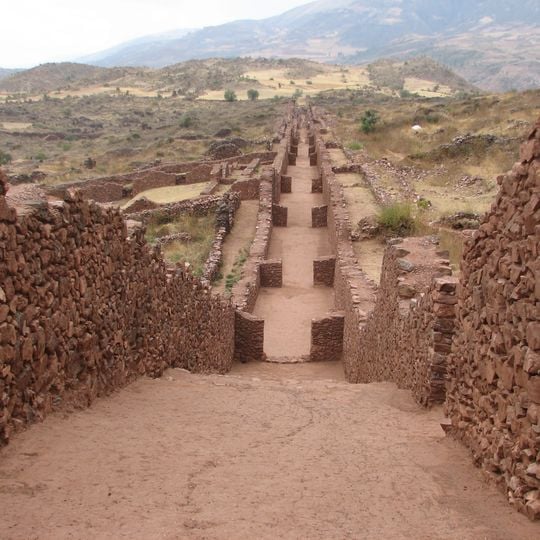
Piquillacta, cultural heritage site in Peru
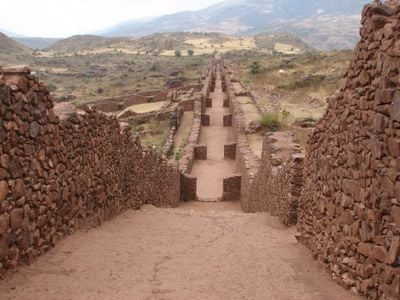
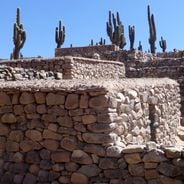
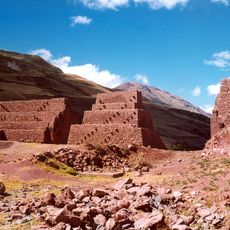
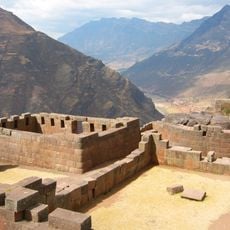
Piquillacta is an archaeological site built by the Wari culture in Quispicanchi Province in the Peruvian highlands, constructed from carefully worked stone. The settlement spreads across a large area with many structures including living quarters, storage spaces, open plazas, and rooms with carved niches that reveal the complexity of this ancient society.
The Wari built Piquillacta around the 7th century and developed it as a major center of their civilization, with the site reaching its peak between the 7th and 9th centuries. The settlement was abandoned around 1200 AD, possibly due to conflict or environmental change, and remained largely unknown until its rediscovery in modern times.
The name Piquillacta comes from Quechua, meaning a place connected to small creatures, but for the Wari it served as a center for rituals and communal gatherings. Visitors can still see evidence of this cultural use in the spacious plazas, niched halls, and areas designed for ceremonies where people came together to share food and perform religious acts.
Access to the site is relatively straightforward but may require good physical fitness since the paths are uneven and you walk at varying elevations. It is wise to bring comfortable shoes, a hat, sunscreen, and plenty of water, as the area is sunny and dry with little shade available.
The site may have functioned as a major ceremonial center where people from various nearby settlements gathered to celebrate and participate in rituals. The spacious plazas and specialized niched areas suggest the place was designed for important gatherings and religious practices.
The community of curious travelers
AroundUs brings together thousands of curated places, local tips, and hidden gems, enriched daily by 91,685 contributors worldwide.