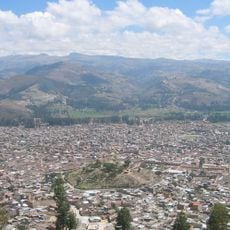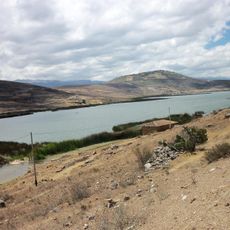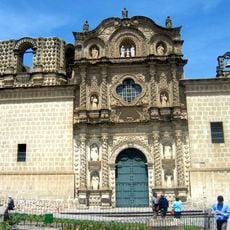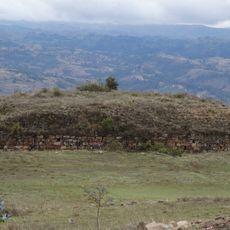
Cumbe Mayo, Archaeological site in Cajamarca, Peru.
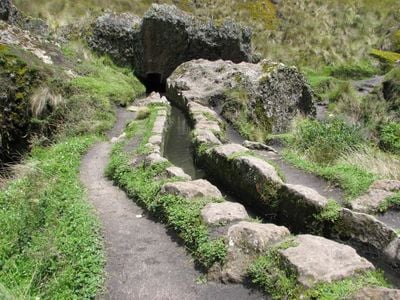
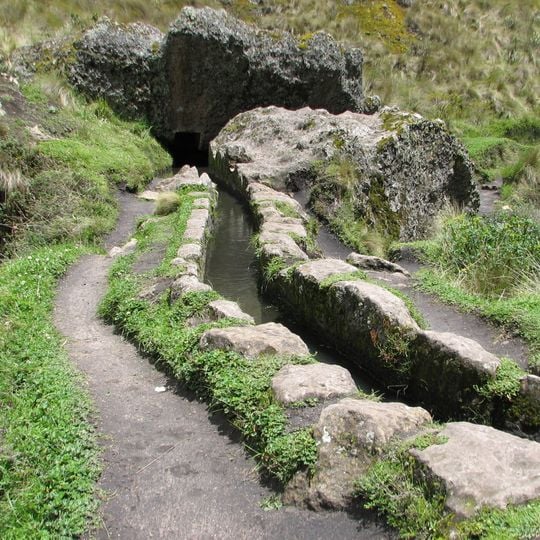
Cumbe Mayo is an archaeological site in the Andes featuring an ancient water system with channels carved into volcanic rock. The network extends across the mountain landscape and shows advanced knowledge of water management.
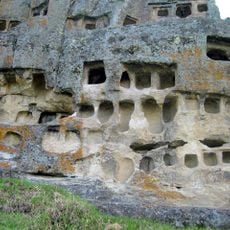
Cumbemayo was built around 1500–1000 BC, and its canal was long considered the oldest structure in South America. Ernesto de la Puente found the site in 1937 and Julio C. Tello cleared and studied it that same year. Rogger Ravines later showed the canal was used for centuries and may have served a rock-cut shrine beside Los Frailones.
The name Cumbemayo probably comes from Quechua kumpi mayu, "well-built water channel", or humpi mayo, "narrow river". Julio C. Tello studied the site in 1937, and Rogger Ravines later argued the canal was used for centuries beside a rock-cut shrine at the edge of Los Frailones. Because Cajamarca has abundant water, Tello proposed the channel served water worship rather than irrigation, comparable to Qenko and Saywite.
The location sits high in the mountains and requires time to adjust to the altitude and climate. Visitors should bring suitable clothing for changing mountain weather and prepare for uneven terrain.
The "Sanctuary" is a cliff whose outline resembles a human head, with a grotto in the position of the mouth; undecipherable petroglyphs were found inside it. Near the canal, stone stairways are carved into the rock, along with a carved stone used as a ceremonial altar.
The community of curious travelers
AroundUs brings together thousands of curated places, local tips, and hidden gems, enriched daily by 92,558 contributors worldwide.