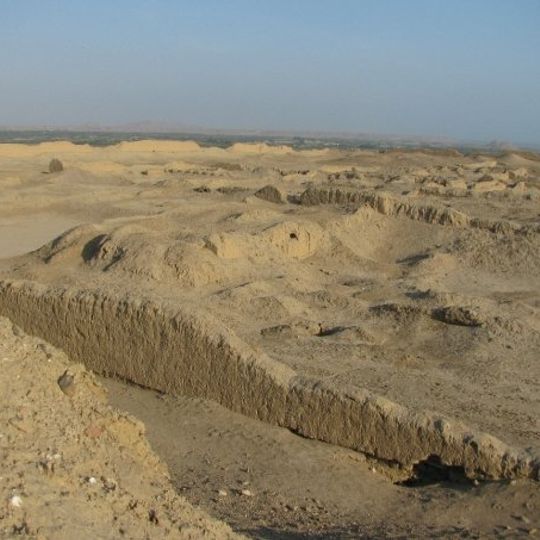
Pacatnamu, Pre-Incan archaeological site in Jequetepeque Valley, Peru.
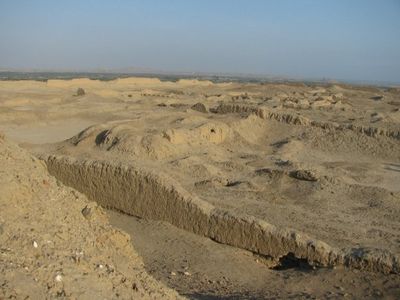
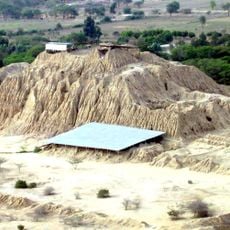
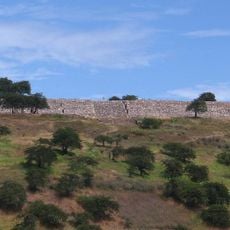
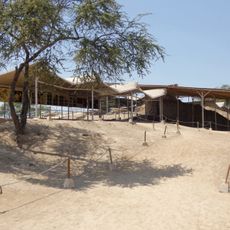
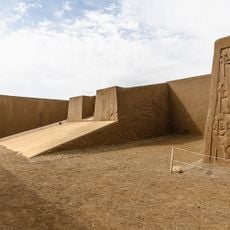
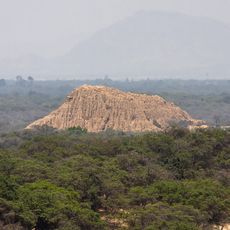
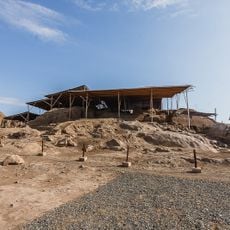
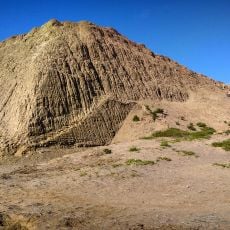
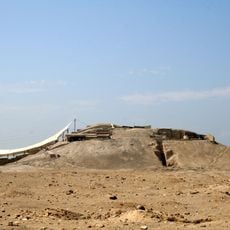
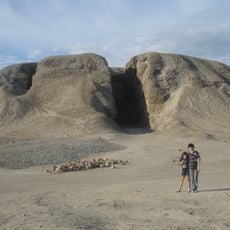
Pacatnamu is a pre-Incan site in the Jequetepeque Valley on Peru's northern coast, featuring multiple pyramid complexes, ceremonial structures, and defensive walls spread across rocky terrain. The settlement includes dozens of truncated pyramids called huacas, with Huaca 1 serving as the main center for governance and religious practice.
The site was occupied during the Moche period around 600 AD and later by Chimu people until roughly 1370 AD. Scientific excavations starting in 1937 revealed the layered history of occupation and use across these periods.
The people who lived here created fine textiles under the control of ruling families, while also raising llamas that served both everyday and religious needs.
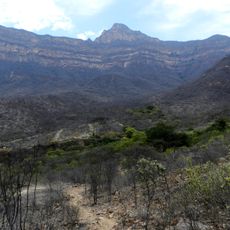
The site spreads across separate pyramid complexes over a large area, so sturdy footwear and water are essential for exploring. The best time to visit is early in the day before heat increases, and getting oriented to the main structures helps you understand how the settlement was organized.
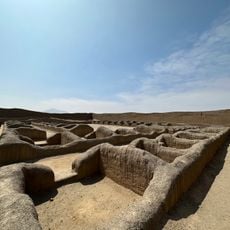
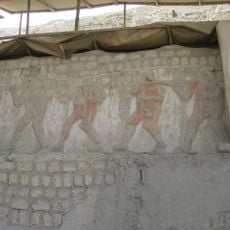
The arrangement of entrances throughout the site displays a deliberate system of left-right symmetries in many structures. This architectural pattern suggests strict rules governed how different spaces were separated for various social groups and activities.
The community of curious travelers
AroundUs brings together thousands of curated places, local tips, and hidden gems, enriched daily by 60,000 contributors worldwide.