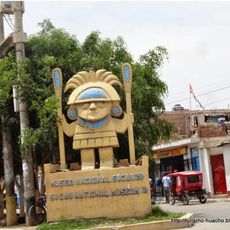
Batán Grande, Archaeological site in Pítipo, Ferreñafe, Peru
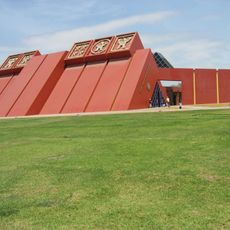
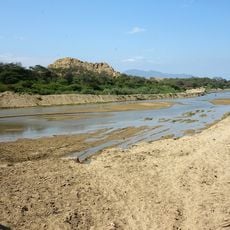
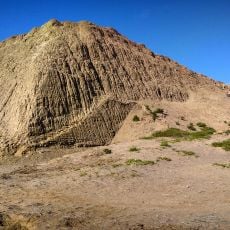
Batán Grande, also called Sicán, is an archaeological complex of truncated adobe pyramids rising over 30 metres, among them the Huacas del Oro, La Ventana, La Merced, Botija and Rodillona, with large platforms between them. It lies in the Pómac forest, mostly in the Pítipo district of Ferreñafe province, Lambayeque, 42 km north of Chiclayo, in the La Leche river valley at about 50 metres above sea level.
The Sican culture established this place between 800 and 1200 CE as a major center for religious practices and administration. The community became known for developing and using advanced metalworking techniques.
Metalworkers here created gold and other metal objects used in ceremonies and burials, reflecting the wealth and organization of the community. Visitors can still see evidence of these production activities scattered across the site.
The complex lies 42 km north of Chiclayo, mostly in Pítipo district, Ferreñafe province, with a smaller western part in Íllimo, Pacora and Túcume. It sits inside the Pómac forest sanctuary, so access follows the sanctuary's paths and shade is scarce. Bring water, a hat and sturdy shoes for walking between adobe pyramids.
The name Batán Grande refers to the flat and round stones, called batanes locally, scattered across the area; in pre-Hispanic times they were used to grind minerals. The name passed from the old Batán Grande hacienda, dissolved in the mid-20th century, to the archaeological zone and the nearby village. In colonial times the area was known as Sicán, Signán or Shinán, a Muchik or Quingnam word possibly meaning "dwelling of the moon".
The community of curious travelers
AroundUs brings together thousands of curated places, local tips, and hidden gems, enriched daily by 93,341 contributors worldwide.