Pómac Forest Historical Sanctuary, Natural sanctuary in Jayanca, Peru
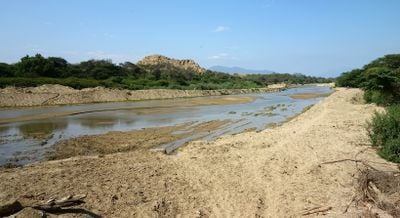
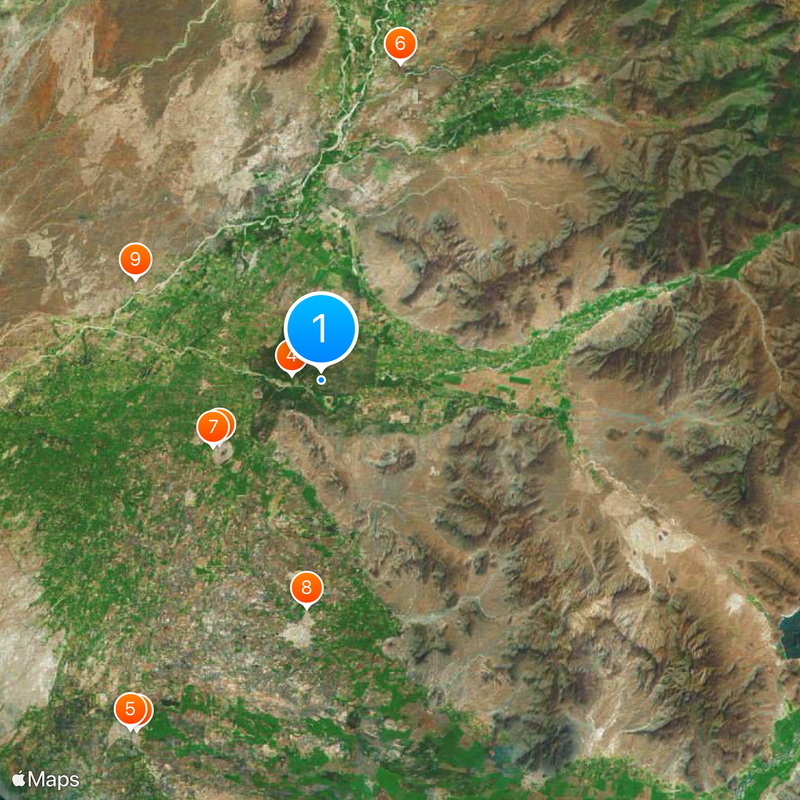
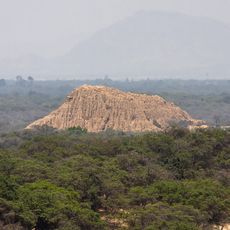
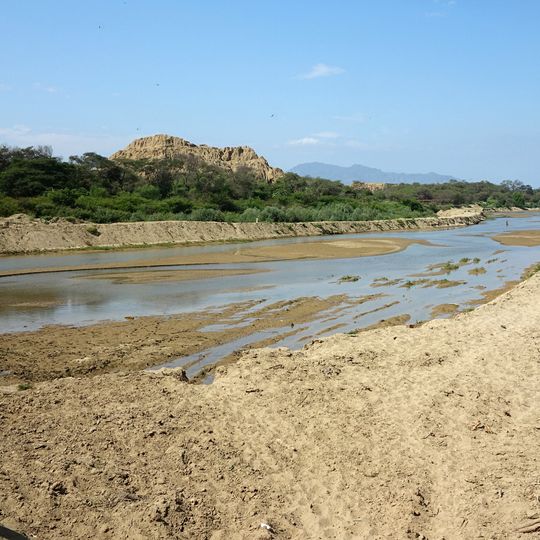
The Pómac Forest Historical Sanctuary is a protected area in the Lambayeque Department of northern Peru, covering roughly 5,887 hectares (14,550 acres). The site includes thick stands of carob trees in a dry equatorial forest and several dozen adobe pyramids.
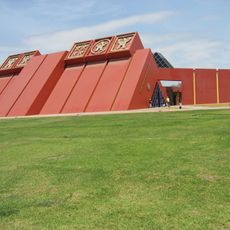
The site developed between 900 and 1100 as a center of the Sicán culture, which built many temples and burial structures from adobe. The Huaca del Oro, one of the larger pyramids, yielded metal objects and ceramics that specialists excavated in the 1990s.
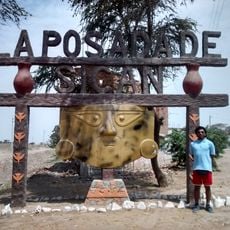
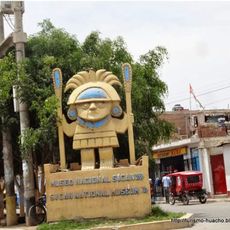
Discoveries from the pyramid structures – such as the ceremonial knife and the winged eye mask – recall the reverence for Naylamp, the legendary ancestor of the Sicán people. This name appears in oral traditions and connects the archaeological sites to the myths of the region.
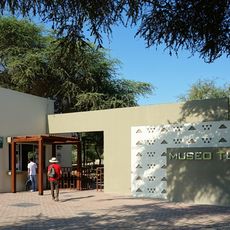
Entry costs 30 soles for foreign visitors, 11 soles for Peruvian nationals, and 5 soles for local residents, while children under five enter free. Paths lead through the tree groves and to individual pyramids, and a hat and water are recommended in strong sun.
The carob trees here form the largest known concentration of this species worldwide and send their roots as deep as 60 meters (200 feet) into the ground to reach groundwater. This adaptation allows the trees to survive in the dry coastal climate and provide shade for the undergrowth.
The community of curious travelers
AroundUs brings together thousands of curated places, local tips, and hidden gems, enriched daily by 60,000 contributors worldwide.