El Brujo, Archaeological complex in Magdalena de Cao district, Peru
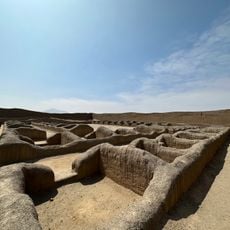
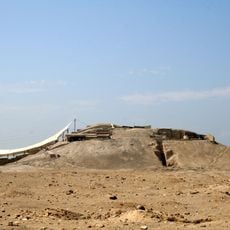
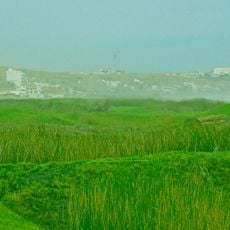
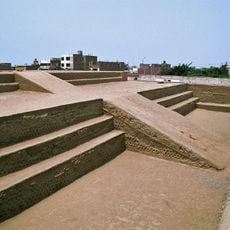
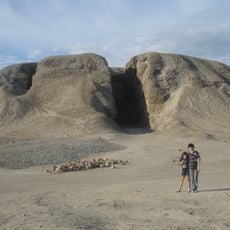
El Brujo forms an archaeological complex in Magdalena de Cao district, composed of several pyramid structures adorned with reliefs and painted walls from the coastal civilization. The main site spreads across a desert plain close to the Pacific and includes a museum with seven exhibition rooms dedicated to artifacts and ongoing research.
Nomadic hunting groups settled the area roughly five thousand years ago, laying the groundwork for successive societies including Cupisnique and Moche. Later waves brought Lambayeque, Chimu, and Inca peoples, each leaving architectural traces within the complex.
The discovery site of the tattooed female ruler redefined how we see women's roles in ancient coastal societies, with her body art and burial goods pointing to religious authority. Visitors can view the preserved remains in climate-controlled display cases that show the red pigment and woven textiles used in her funeral rites.
Visits follow marked paths through the pyramid areas and outer walls, with sun protection recommended due to the open desert setting. The on-site museum offers air-conditioned rooms for breaks and closer inspection of displayed objects.
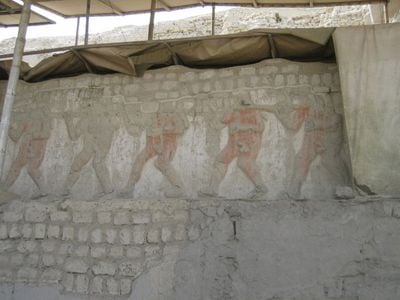
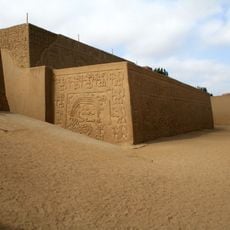
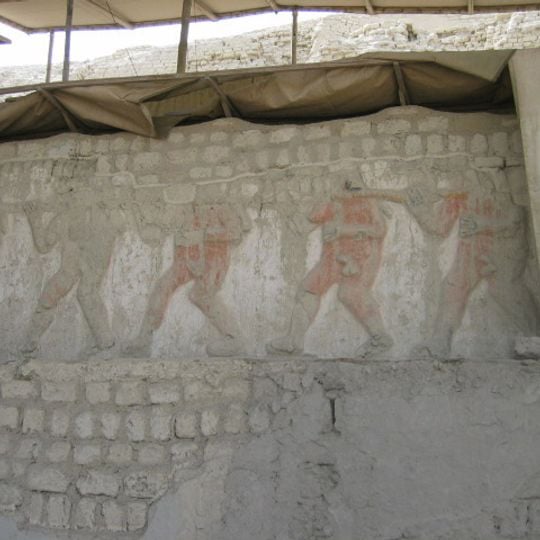
Huaca Cao Viejo displays high-relief panels with ceremonial scenes rendered in vivid earth tones, showing dancing figures and mythological beings. The outer walls preserve multiple layers of painted decoration uncovered during restoration work, documenting shifts in religious practice.
The community of curious travelers
AroundUs brings together thousands of curated places, local tips, and hidden gems, enriched daily by 92,497 contributors worldwide.