Tuva, Republic in southern Siberia, Russia
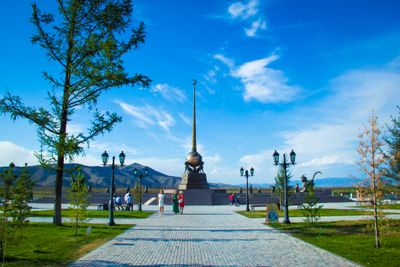
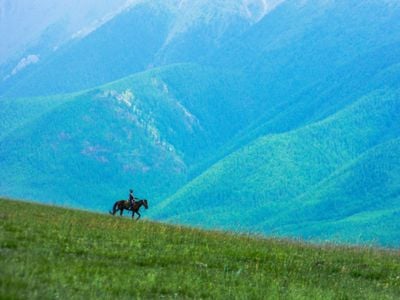
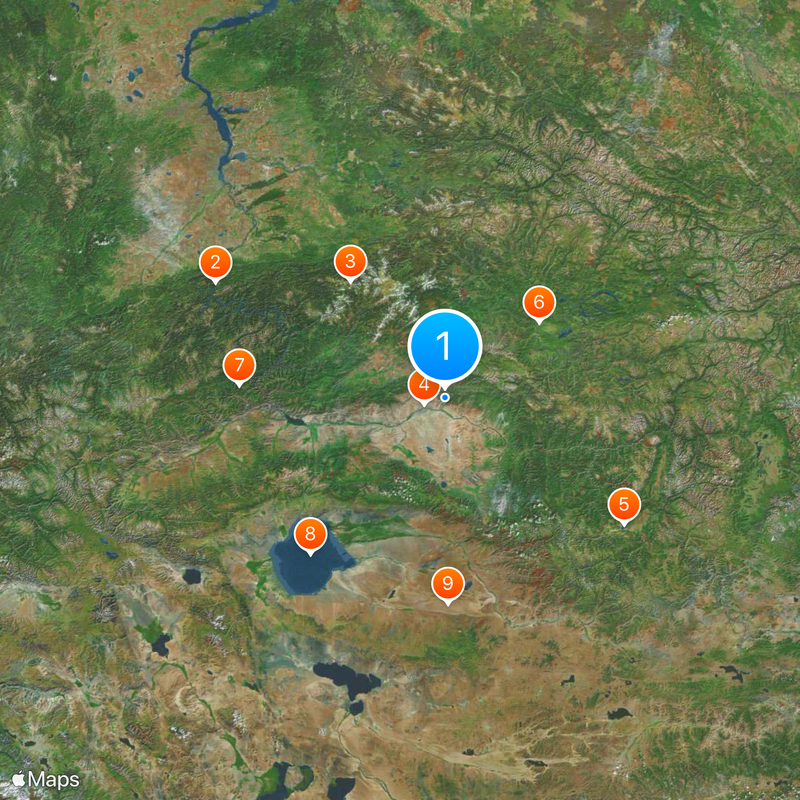
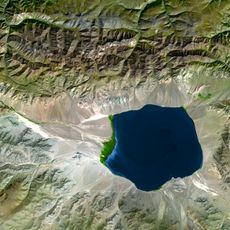
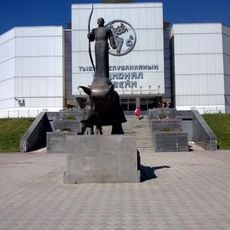
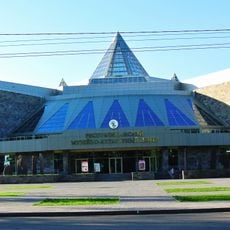
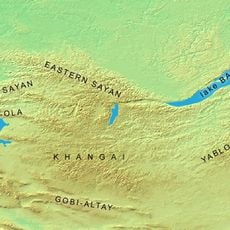
Tuva is a republic in southern Siberia, Russia, that stretches between the Sayan and Tannu-Ola mountain ranges and covers roughly 170,500 square kilometers (65,800 square miles) of mountains, forests, and rivers. The capital Kyzyl sits at the confluence of two source rivers, while the rest of the territory consists mostly of thinly populated highlands and valleys crossed by only a few paved roads.
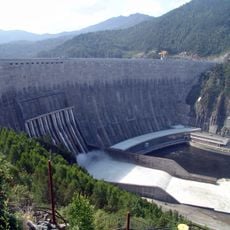
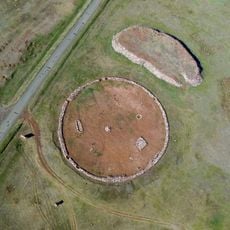
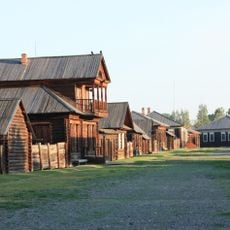
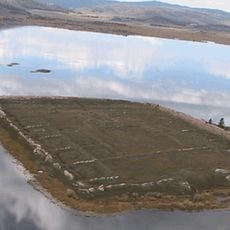
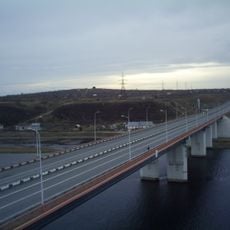
The territory shifted from Chinese influence to a Russian protectorate in 1914, then experienced a period of independence as Tannu Tuva until Soviet annexation in 1944. During these decades, political upheaval reshaped internal administration and brought new settlement patterns along with the construction of some infrastructure.
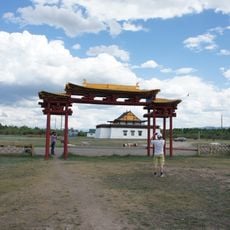
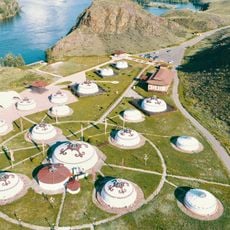
People speak both Tuvan and Russian, and Buddhist monasteries shape religious life alongside shamanic rituals that continue to be practiced. Travelers can see yurts across the grazing lands, where nomads accompany their herds and keep old crafts such as felt-making alive.
Reaching the capital Kyzyl usually involves flying to Abakan in Siberia, then continuing for about seven hours by road over mountain passes. Travelers should prepare for remote conditions, limited mobile networks, and harsh weather shifts, especially outside the summer months.
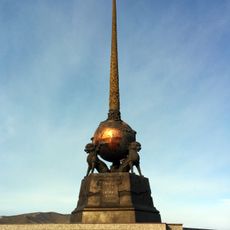
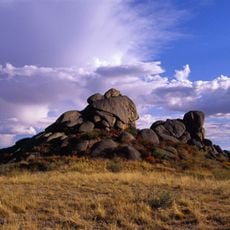
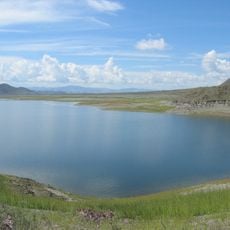
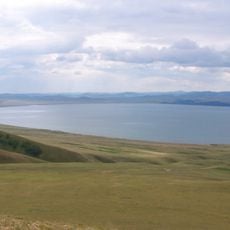
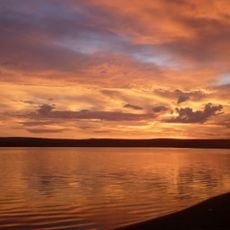
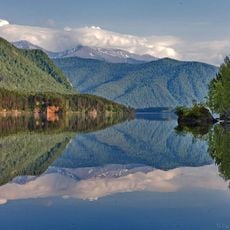
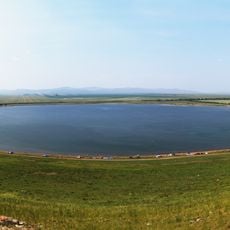
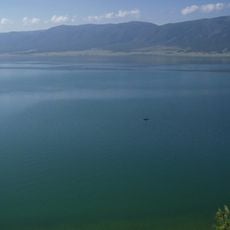
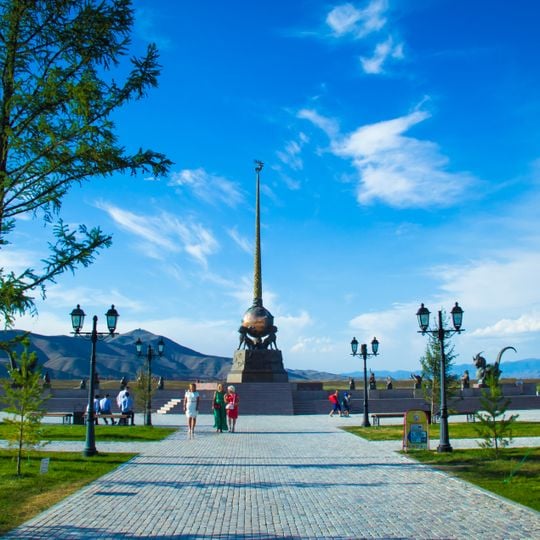
The region is considered the geographic center of Asia and holds more than 8,000 rivers, including the upper reaches of the Yenisei, which forms here from several source streams. The landscape shifts from dense conifer forests to open steppes, showing visitors very different natural environments within short distances.
The community of curious travelers
AroundUs brings together thousands of curated places, local tips, and hidden gems, enriched daily by 90,814 contributors worldwide.