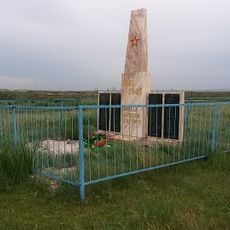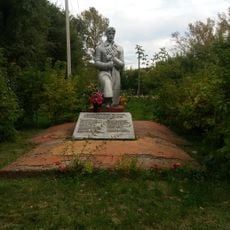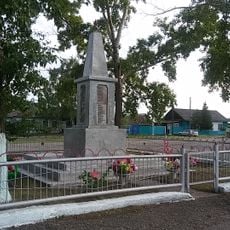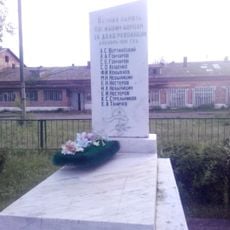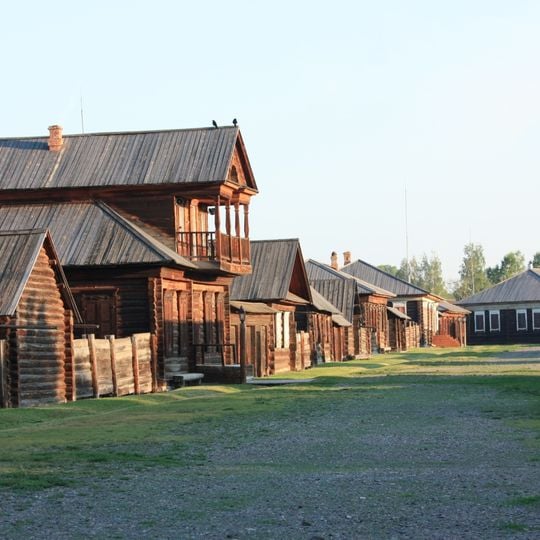
Shushenskoye Museum-Reserve, Federal ethnographic museum in Shushensky District, Russia
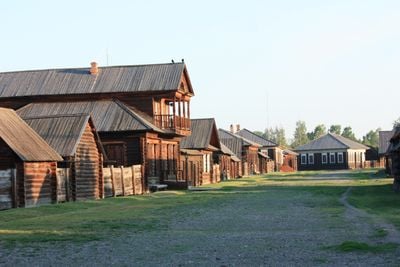
The Shushenskoye Museum-Reserve is an open-air ethnographic museum in the Shushensky District of Siberia, Russia. It brings together traditional wooden structures, household objects, and archaeological finds that show how people lived in this part of Siberia across several centuries.
The museum was founded in 1930 on a site that already held archaeological traces from several different periods, including remains linked to the early Kyrgyz state. It gained wider attention in the Soviet era because of its direct connection to Lenin's exile in the late 19th century.
Shushenskoye is widely known as the place where Lenin spent his years of exile, and this connection shapes how the site is experienced today. One section of the grounds preserves the house where he lived, with personal objects and furniture still in place.
The site is walkable and the paths between buildings are easy to follow on foot. Siberian weather can change quickly depending on the season, so solid footwear and layered clothing are a good idea for any visit.
Several of the wooden buildings on the grounds were not originally built here but were brought from different villages across the district and reassembled on site. This process of gathering and reconstructing structures began before the museum was formally established, making it one of the earliest efforts of its kind in Siberia.
The community of curious travelers
AroundUs brings together thousands of curated places, local tips, and hidden gems, enriched daily by 92,083 contributors worldwide.