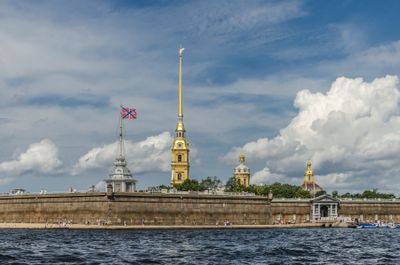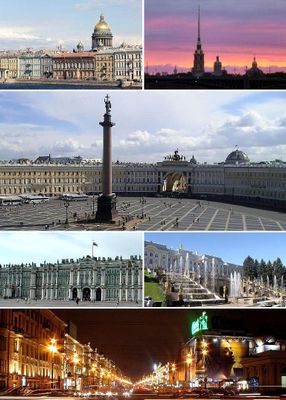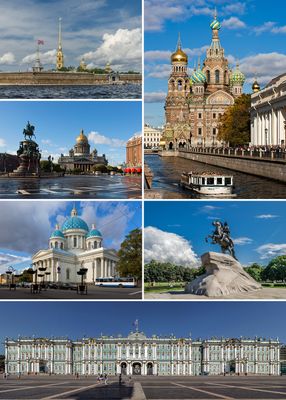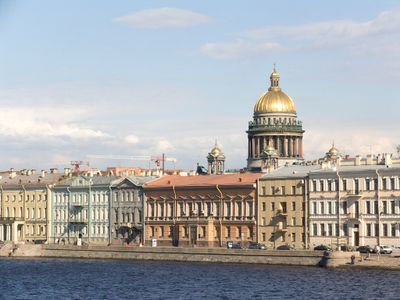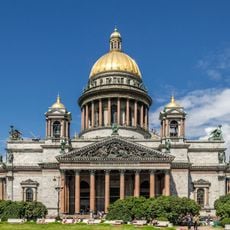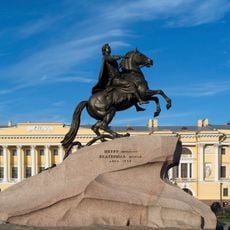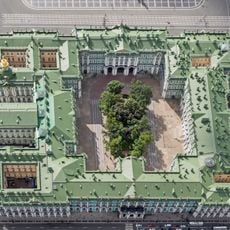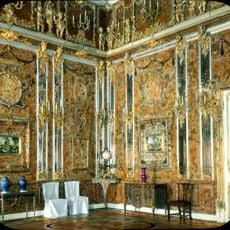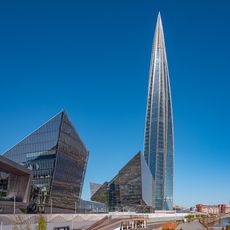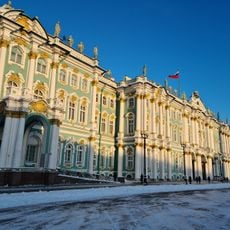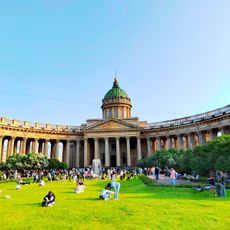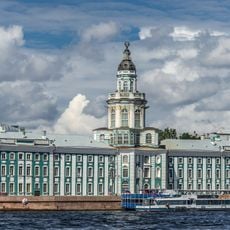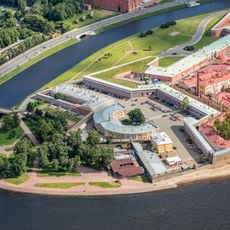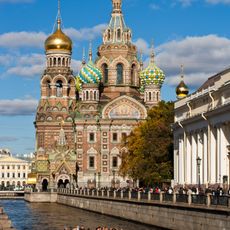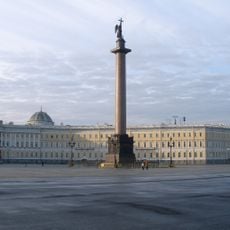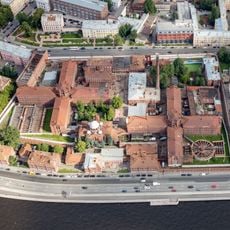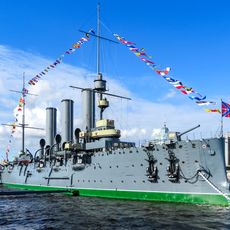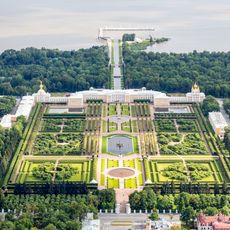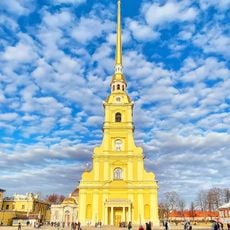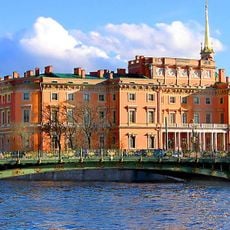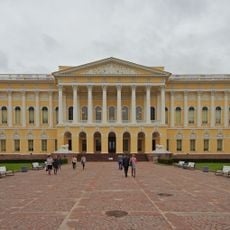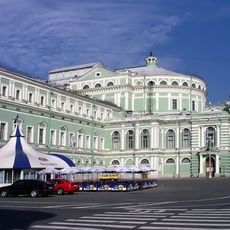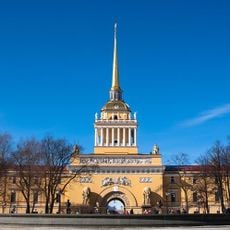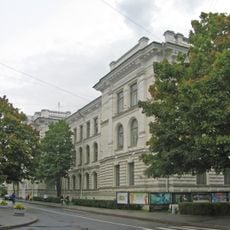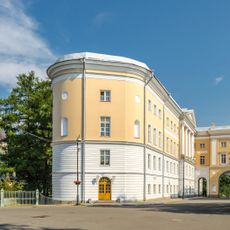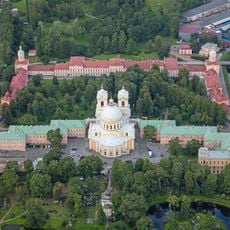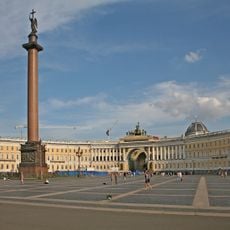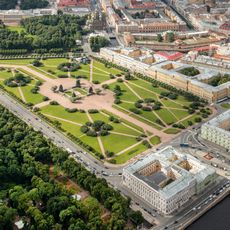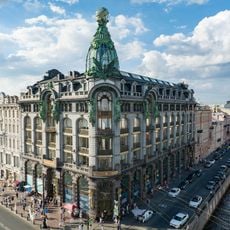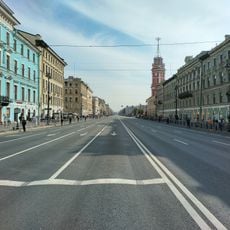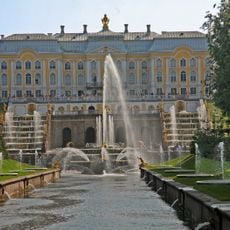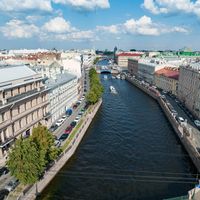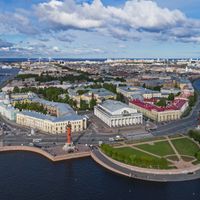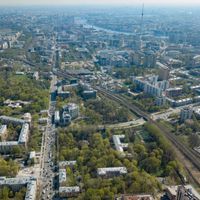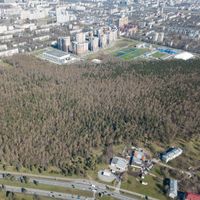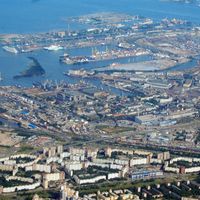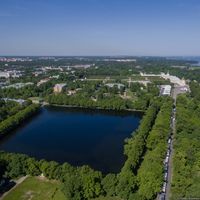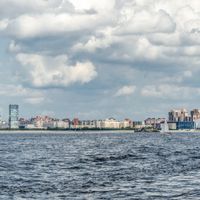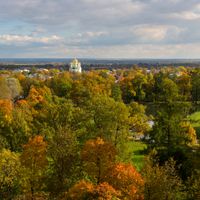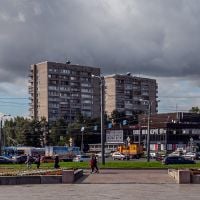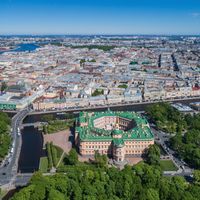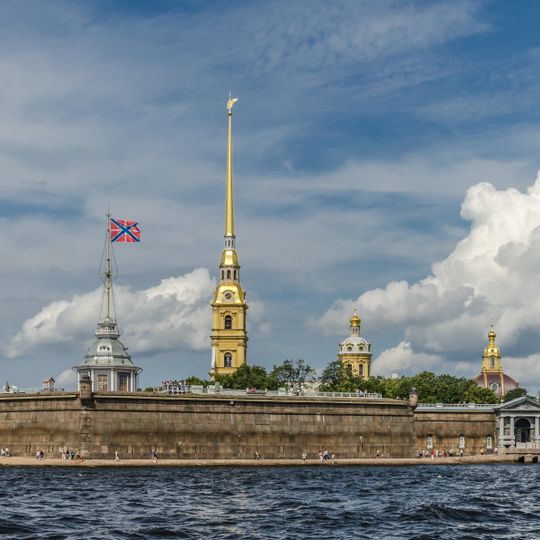
Saint Petersburg, Former imperial capital on the Baltic Sea, Russia.
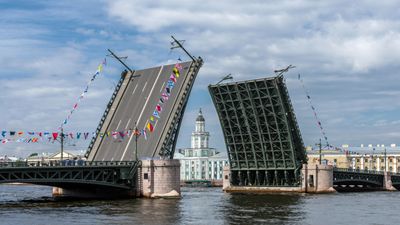
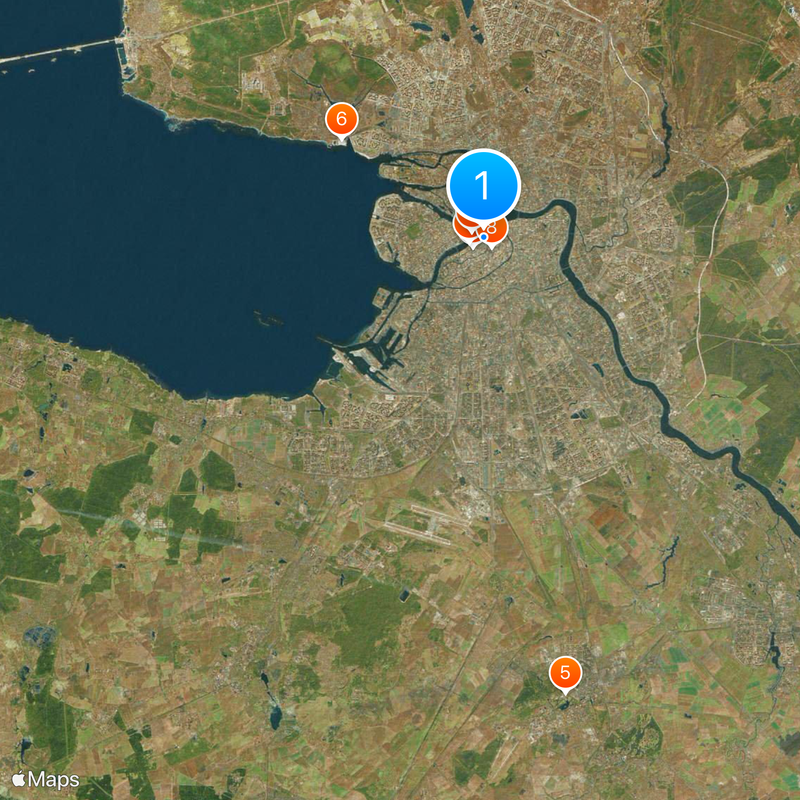
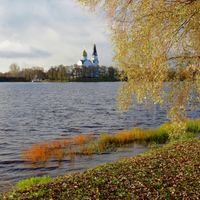
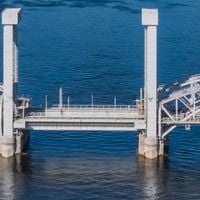
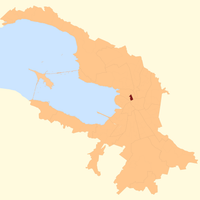
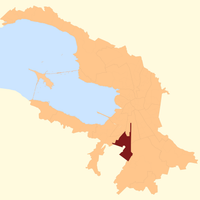
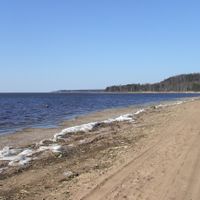
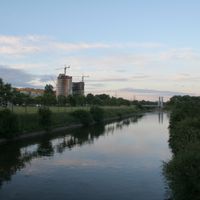
Saint Petersburg spreads across 42 islands connected by 342 bridges, with numerous rivers and canals flowing through the historic districts and neighborhoods. The urban area covers 540 square miles (1,400 square kilometers) along the Baltic Sea coast.
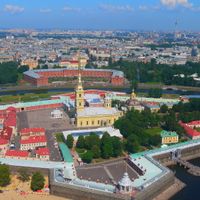
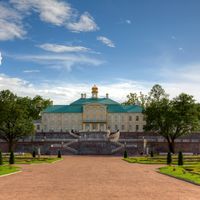
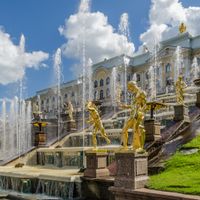
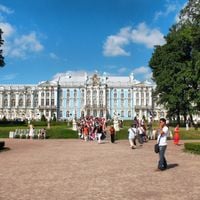
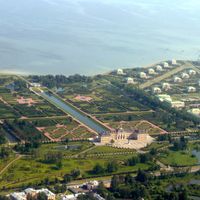
Peter the Great founded this settlement in 1703 as a naval base, transforming marshlands into a metropolis that served as the capital until 1918. Catherine the Great expanded the urban landscape significantly during her reign, bringing European architects to design imperial residences.
The city serves as Northern Europe's largest cultural center with over 200 museums, 80 theaters and numerous concert halls, drawing several million visitors annually from regions across the world.
The metro system operates five lines with 72 stations, running from 5:30 AM until midnight and connecting major districts to downtown locations. Pulkovo Airport sits 11 miles (17 kilometers) south, offering international and domestic connections. Peak season runs from May through September with moderate temperatures.
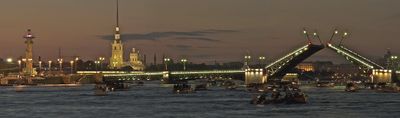
During the summer months from late May through mid-July, residents and travelers experience white nights when the sun remains visible for nearly 24 hours. This natural phenomenon transforms evenings into twilight without complete darkness and inspires numerous festivals and cultural events throughout the season.
The community of curious travelers
AroundUs brings together thousands of curated places, local tips, and hidden gems, enriched daily by 90,839 contributors worldwide.