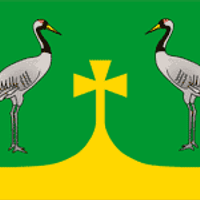
Amur Oblast, Administrative region in Far Eastern Russia
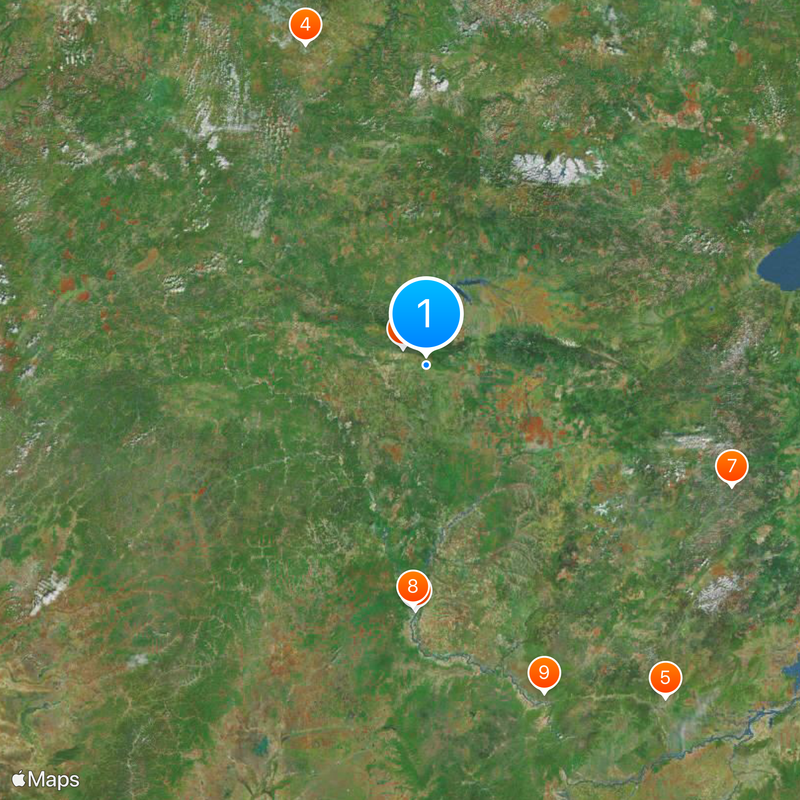
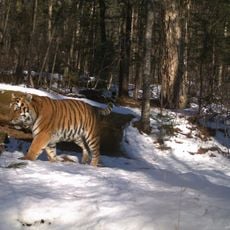
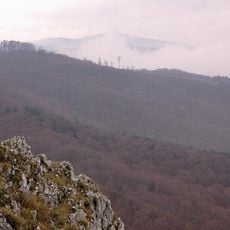
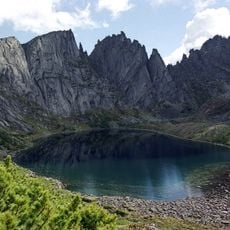
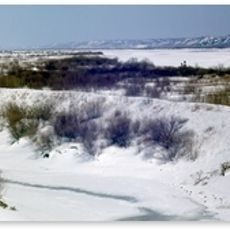
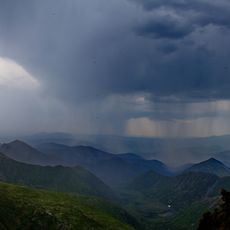
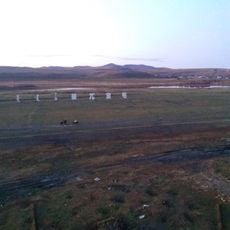
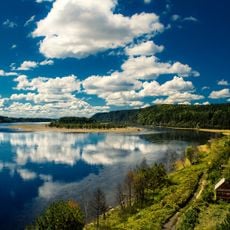
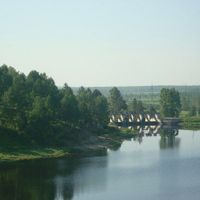
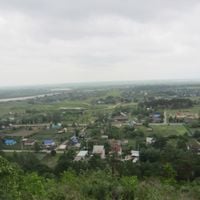
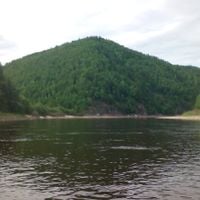
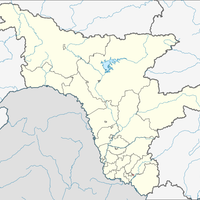
This administrative region lies in the Far East of Russia, stretching along a major river and covering wide forest areas, mountain ranges and flat farmland. The landscape shifts between dense coniferous woods in the north and open plains in the south, where wheat and soybeans grow.
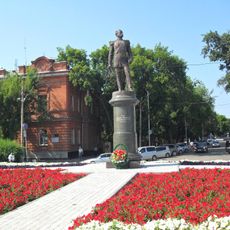
The territory became part of the Russian Empire in the mid-19th century, when a treaty with China fixed the border along the river. After that, settlers from European Russia arrived, founded towns and began cultivating crops.
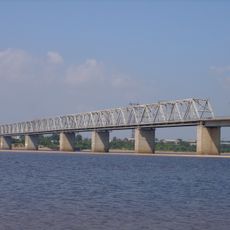
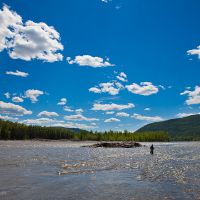
The region takes its name from the border river that serves as both lifeline and natural frontier here. Along its banks, village communities have grown over generations, where Russian, Tungusic and Chinese traditions become visible in daily routines.
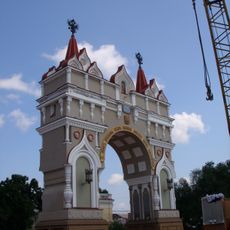
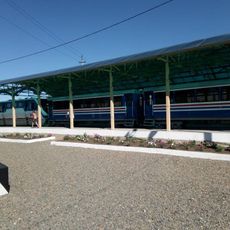
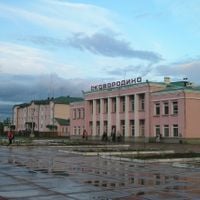
The Trans-Siberian railway line crosses the territory from west to east, linking smaller towns with the capital Blagoveshchensk. Travelers should expect long journey times, as distances between settlements often amount to several hours.
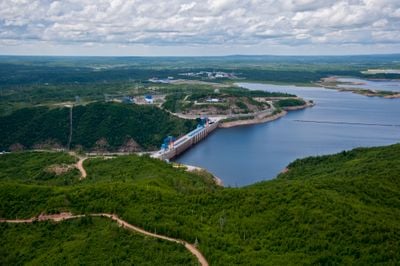
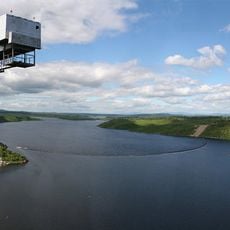
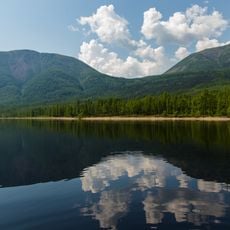
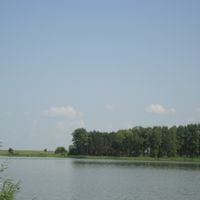
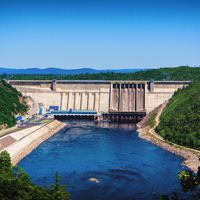
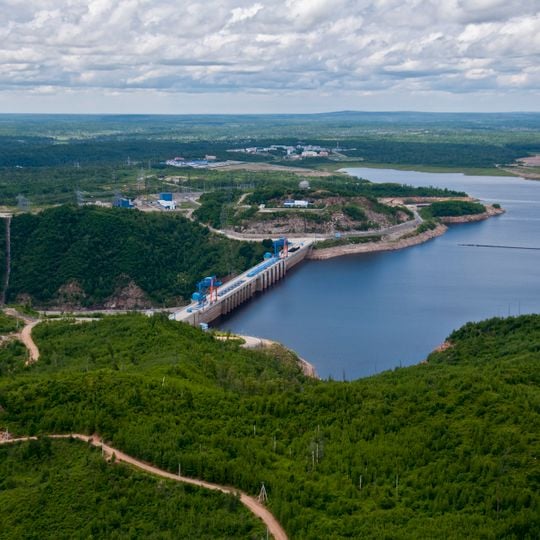
The Bureya Dam harnesses the strong current in the mountains to generate electricity for the region. Its reservoir changed the riverbed and created a long lake between steep slopes.
The community of curious travelers
AroundUs brings together thousands of curated places, local tips, and hidden gems, enriched daily by 90,778 contributors worldwide.