Wudalianchi Geological Park, Volcanic geological park in Heilongjiang, China.
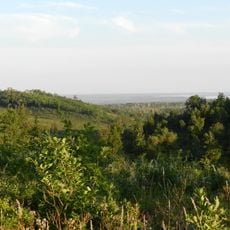
Wudalianchi Geological Park is a large protected area in northeastern China shaped by volcanic activity that created multiple crater formations and five interconnected lakes. The landscape displays varied lava terrain, thermal springs, and rock formations visible along established paths and viewpoints throughout the site.
Twelve of the park's fourteen volcanoes formed between 12 million and 1 million years ago. The two youngest, including Heilongshan, erupted in 1719–1721 during the reign of the Qing Kangxi emperor, making them China's most recent volcanoes. That eruption dammed the Bai River, and the blocked channel became the five lakes. The site joined China's first national geopark list in 1989 and became a UNESCO Global Geopark on 13 February 2004.
The name Wudalianchi means "five large connected lakes"; the lakes run south to north and are called First through Fifth Lake, with waterfalls where they join. The Daur people long came to drink from the Nanquan spring, believing its water treated stomach ailments. Nanquan is grouped with the Vichy springs of France and the North Caucasus springs of Russia as one of the world's three great cold springs.
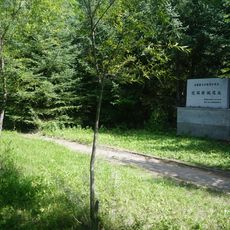
The site is accessible through marked trails and observation platforms, with information centers positioned at key locations. Wear comfortable shoes and bring weather-appropriate clothing, as conditions can change and some paths have uneven terrain.
The park holds examples of nearly every rock type a volcano can produce: volcanic bombs, scoria, agglomerate, welded agglomerate and volcanic breccia, alongside the basalt of the Stone Sea. Because the lava fields are large and openly exposed, geologists call the site "an open textbook of volcanology".
The community of curious travelers
AroundUs brings together thousands of curated places, local tips, and hidden gems, enriched daily by 93,430 contributors worldwide.