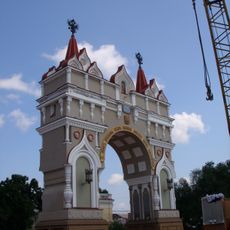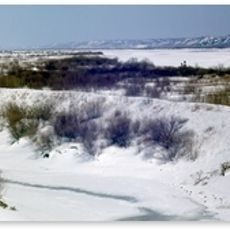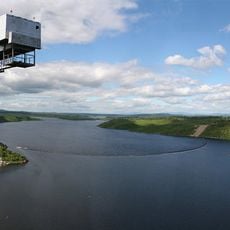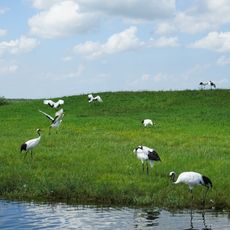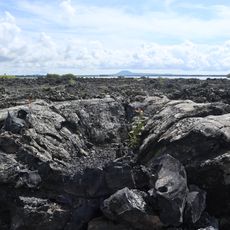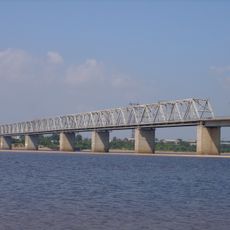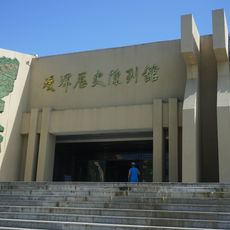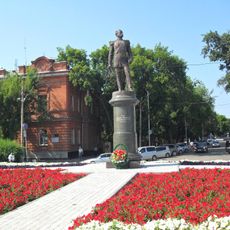
Aihui New City vestiges, National heritage site in Aihun Town, China.
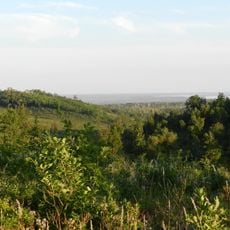
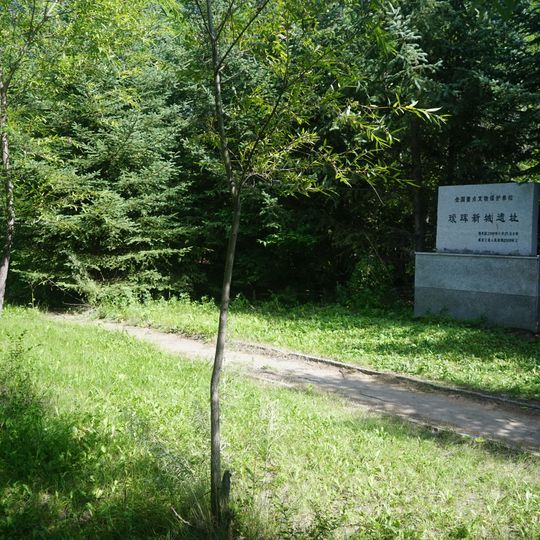
Aihui New City vestiges are ruins of a fortified settlement along the Amur River border with partially preserved walls, bastions, and building foundations from the early Qing period. Excavations have revealed pottery, tools, and other artifacts that document daily life in this frontier garrison.
The settlement was built in 1683-1684 under Emperor Kangxi as a Manchu fortress controlling the Amur border region. It was gradually abandoned after 18th century border treaties as political boundaries shifted and new defensive priorities emerged.
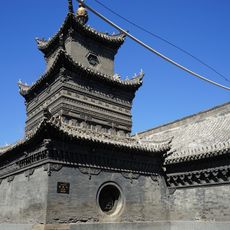
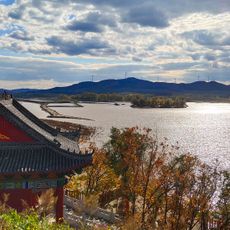
The Kuixing Pavilion displays late Qing Dynasty craftsmanship typical of northern border regions. The preserved structures show how local architecture adapted to the challenging environment of this frontier settlement.
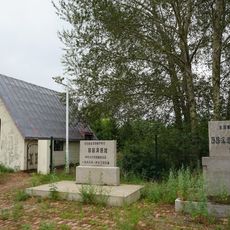
The site is open for public visits and features informational displays explaining the history and archaeology found here. Wear comfortable shoes as the terrain is uneven and the visit takes place entirely outdoors in variable weather conditions.
The site contains rare evidence of early Chinese-Russian cultural contact at one of the empire's northernmost frontier lines. This location documents a lesser-known chapter of Chinese northern expansion in Northeast Asia.
The community of curious travelers
AroundUs brings together thousands of curated places, local tips, and hidden gems, enriched daily by 92,181 contributors worldwide.