Ang'angxi sites, Archaeological site in Qiqihar, China
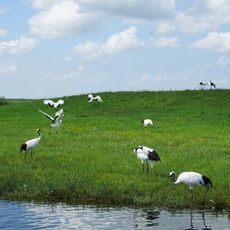
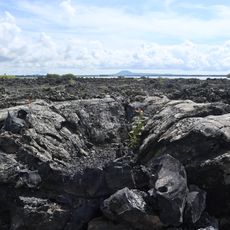
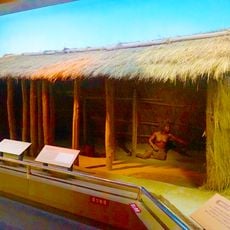
The Ang'angxi sites lie near the Nen River in dunes, lakes and marshes by Qiqihar, Heilongjiang, and comprise three sites with 39 find spots. Excavations yielded stone tools, coarse pottery and animal-bone lance points and fishing gear. The hunter-fisher culture here dates from about 5000 to 2000 BC.
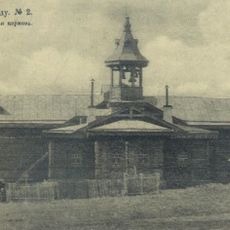
Russian railway workers discovered this location in 1928 during railway construction and found evidence of early human settlements. The site received official protection status in 1988 to preserve these prehistoric remains.
The Ang'angxi culture is defined by hunter-fisher communities of the northern grasslands, dated roughly 5000–2000 BC. Finds include crude, simply made pottery, stone tools, and animal-bone lance points and fishing implements; fishing was a major food source in this lake-and-marsh region. From about 2200 BC a colder, drier climate linked to the 4200 BP event is thought to have caused the culture's decline.
The location is situated in the Ang'angxi district of Qiqihar and is accessible by public transportation. Information about the excavations is available on-site, and it helps to set aside time to explore the different areas.
The animal bones found at the 39 find spots were worked into spear points and fishing implements, showing that fishing was a major food source in this lake-and-marsh region. The pottery recovered alongside them is coarse and little elaborated, unlike the finer wares of the Yellow River plains to the south.
The community of curious travelers
AroundUs brings together thousands of curated places, local tips, and hidden gems, enriched daily by 93,667 contributors worldwide.