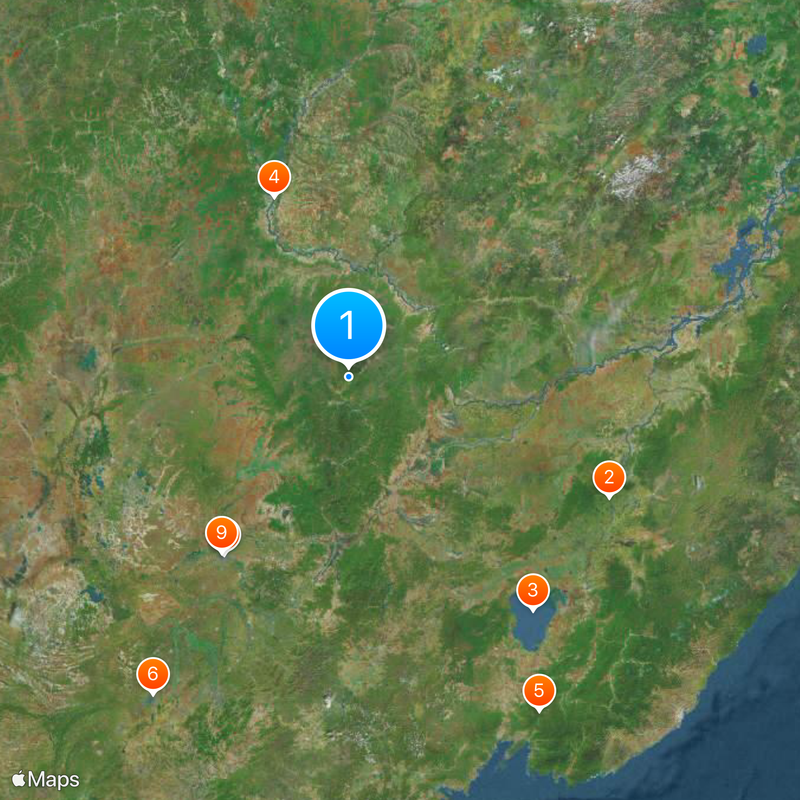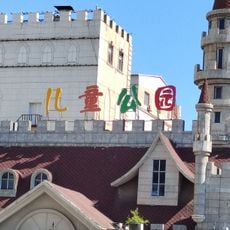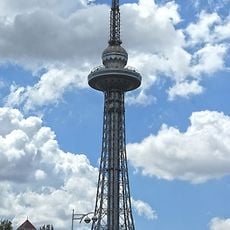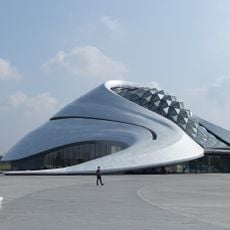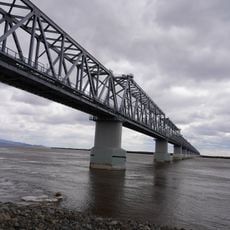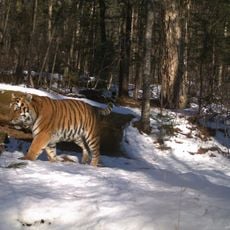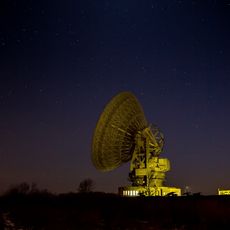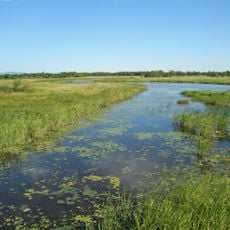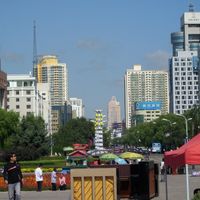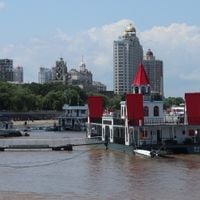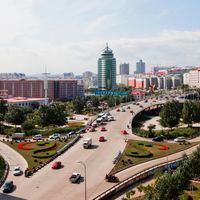
Heilongjiang, Province in Northeast China.
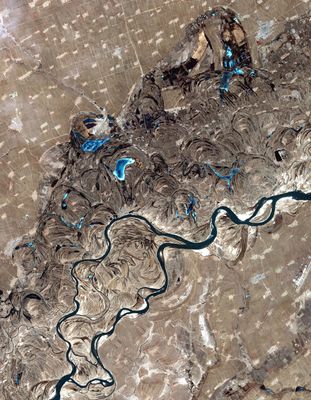
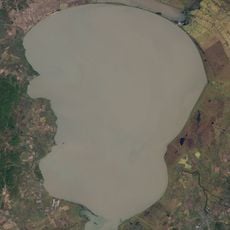
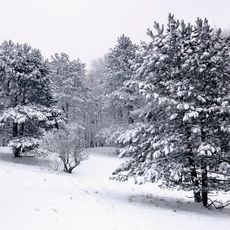
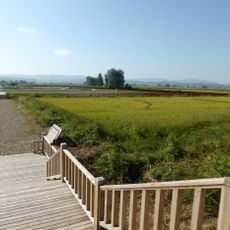
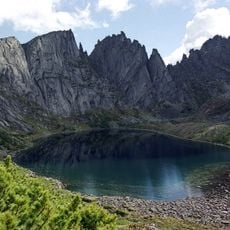
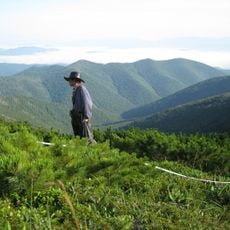
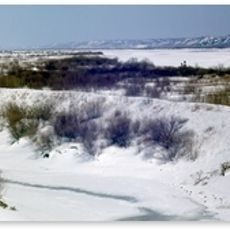
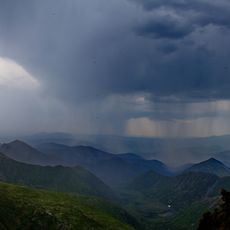
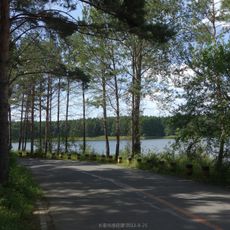
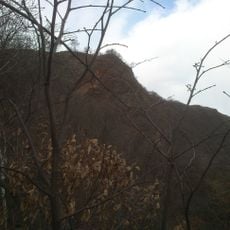
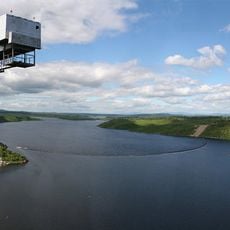
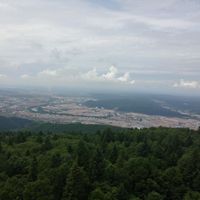
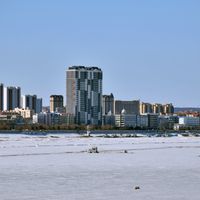
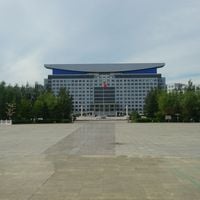
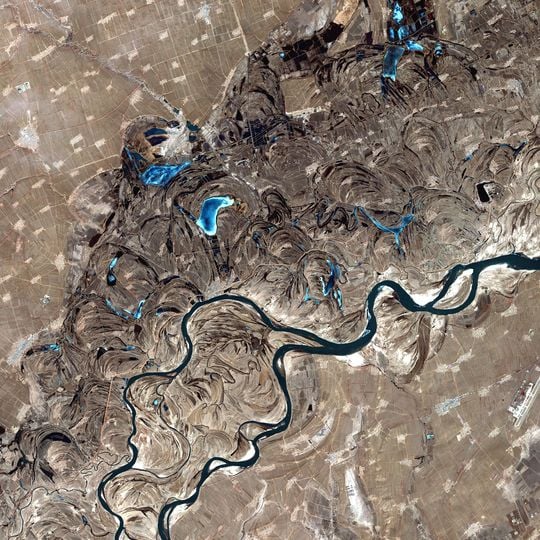
Heilongjiang is a province in Northeast China that spreads across a wide territory from mountain ranges to farming plains. Dense forests cover the northern slopes, while the southern lowlands along the Songhua and Nen show fertile fields.
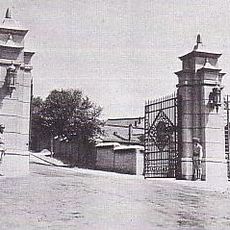
The area developed from thinly populated Manchurian territory into a major administrative region following Chinese migration movements in the 19th century. Treaties with Russia in 1858 and 1860 altered political boundaries and opened the region to new settlers.
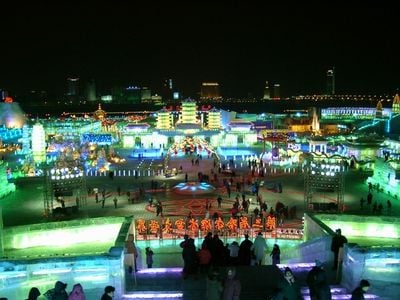
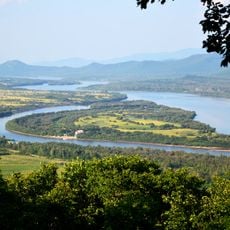
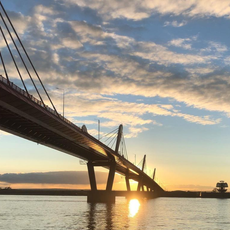
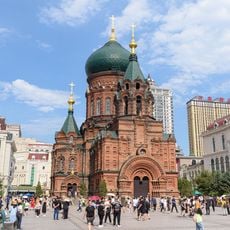
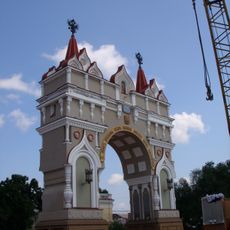
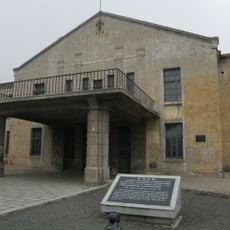
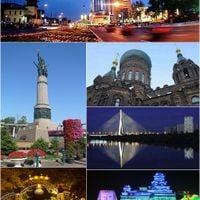
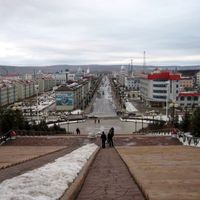
The name means "river of the black dragon," referring to the Amur boundary waterway that local communities have regarded for centuries as a protective force. Many residents still celebrate winter with ice lantern displays and traditional Russian-influenced architecture reflects past cross-border exchanges.
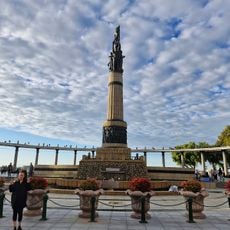
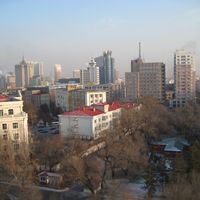
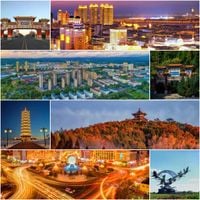
Harbin, the capital, offers train connections to Russia and hosts several universities and research centers. Winter visits require warm clothing, as temperatures often drop well below freezing.
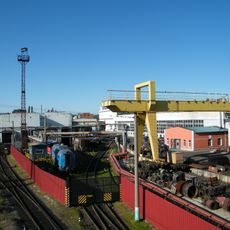
The Daqing oil field was discovered in 1959 and supplies the country with significant amounts of petroleum. The discovery changed the economic role of the region fundamentally within a few years.
The community of curious travelers
AroundUs brings together thousands of curated places, local tips, and hidden gems, enriched daily by 90,753 contributors worldwide.