Harbin, Capital city in Heilongjiang Province, China
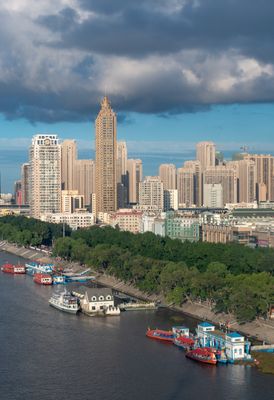
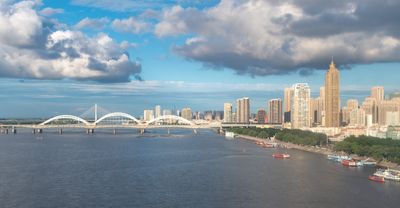
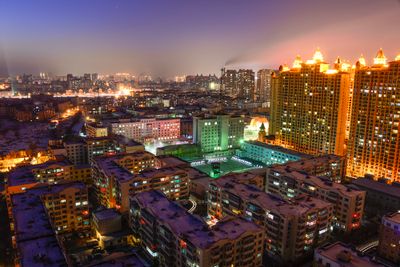
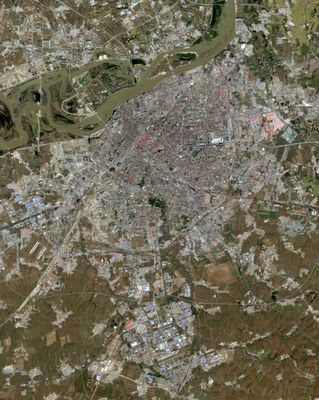
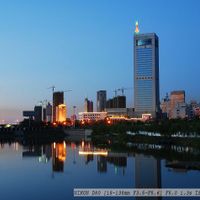
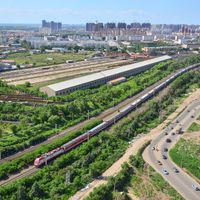
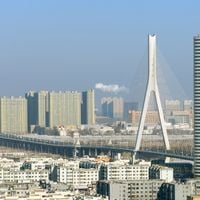
Harbin is a large city on the southern bank of the Songhua River in northeastern China, spreading across several districts and home to around nine million people today. The streets are wide and laid out in a grid pattern, with tall residential blocks and older buildings with colored facades lining the main avenues.
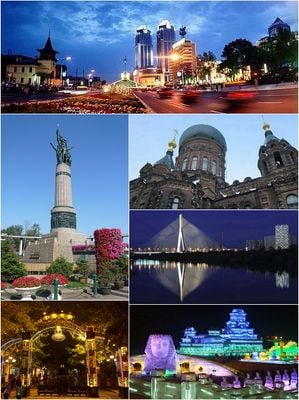
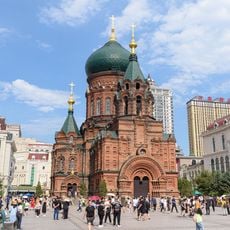
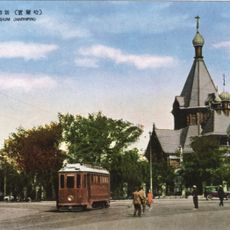
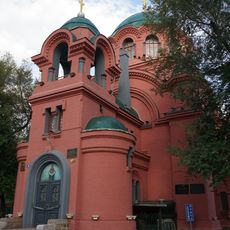
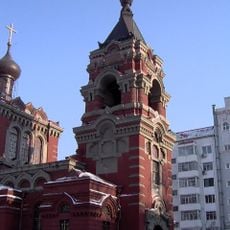
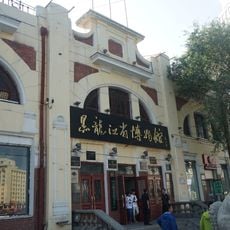
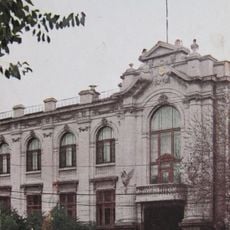
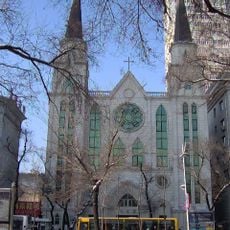
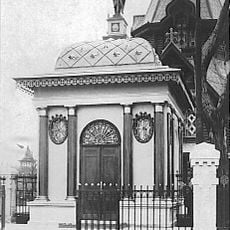
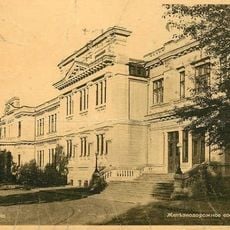
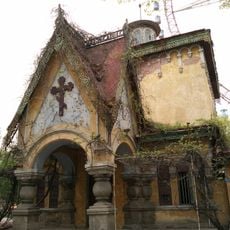
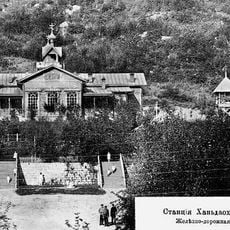
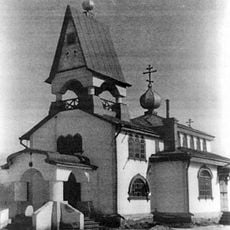
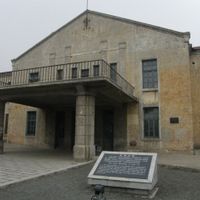
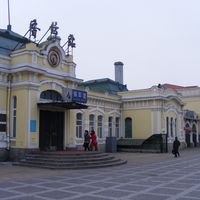
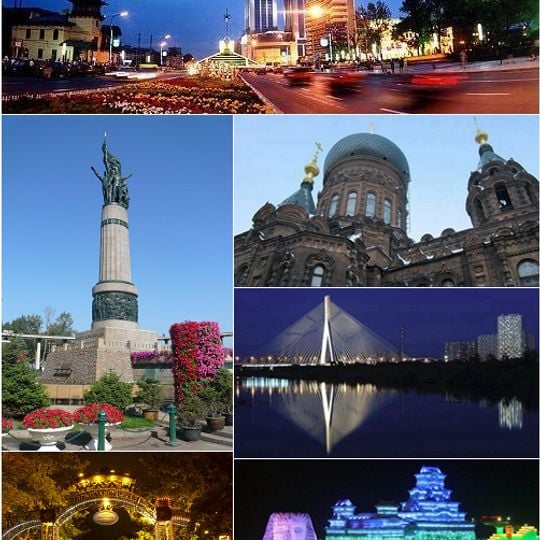
The construction of the Chinese Eastern Railway in 1898 transformed a small fishing settlement on the Songhua River into a major junction town for trade between Russia and China. Over the following decades, thousands of Russian settlers moved here, building churches, shops, and residential houses in European styles that still stand in the city center today.
The city hosts an international ice and snow sculpture festival each winter, with hundreds of sculptors gathering to create large artworks throughout the parks and open squares. Visitors wear heavy boots and fur hats to walk through the displays while drinking local hot wine sold at small stalls along the paths.
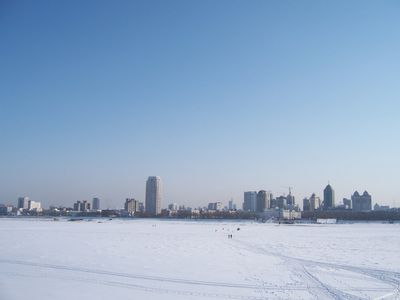
Winter temperatures regularly drop below negative thirty degrees Celsius, so visitors need multiple clothing layers, insulated boots, and face protection to stay outdoors for any length of time. Most hotels, shops, and subway stations are heated and provide warming stops when walking around the city or using public transport.
In the early decades of the twentieth century, over one hundred thousand Russians lived here, making it the largest Russian community outside the Soviet empire at the time. This influence remains visible today in the church domes, bakeries selling Russian bread, and Cyrillic inscriptions on old storefronts throughout the downtown area.
The community of curious travelers
AroundUs brings together thousands of curated places, local tips, and hidden gems, enriched daily by 91,880 contributors worldwide.